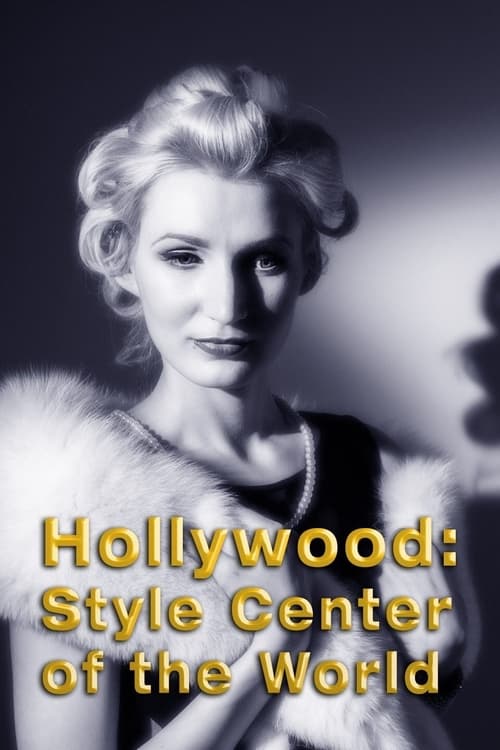
Hollywood: Style Center of the World
1940
No user ratings available yet
Diversity score: 1.8 out of 10
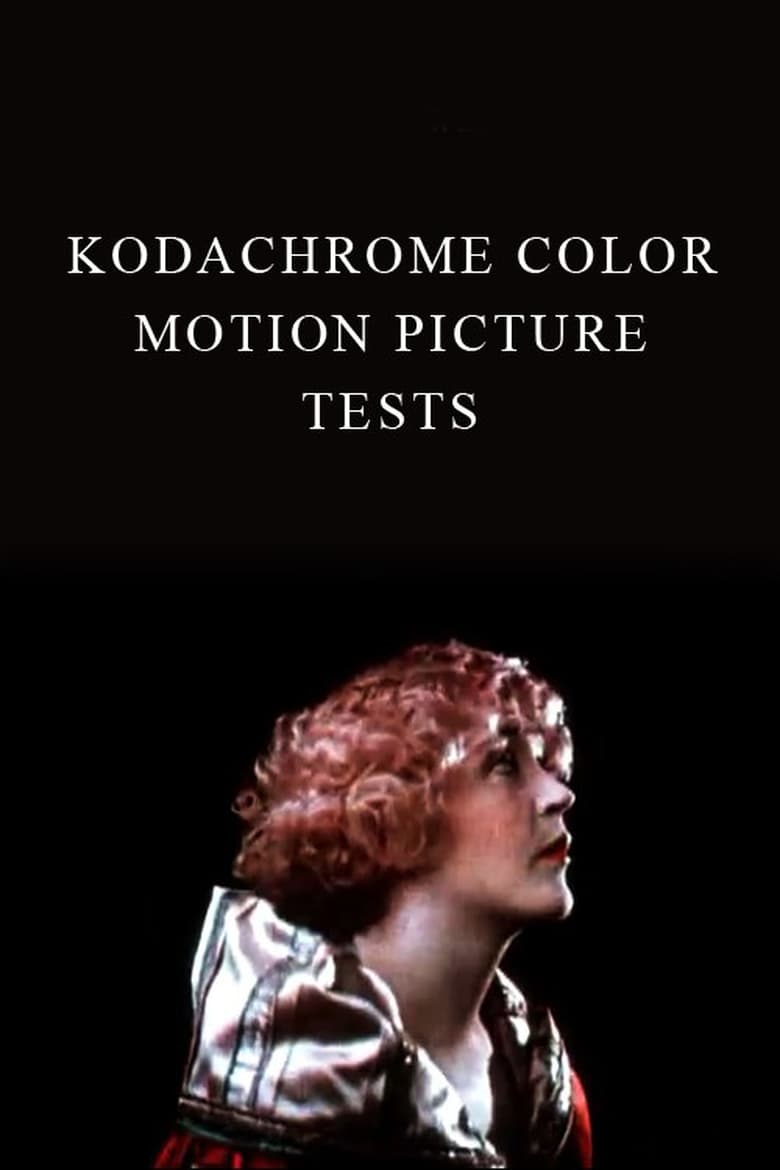
1922
Director
John G. Capstaff
Runtime
5 minutes
Average Rating
No ratings yetSynopsis
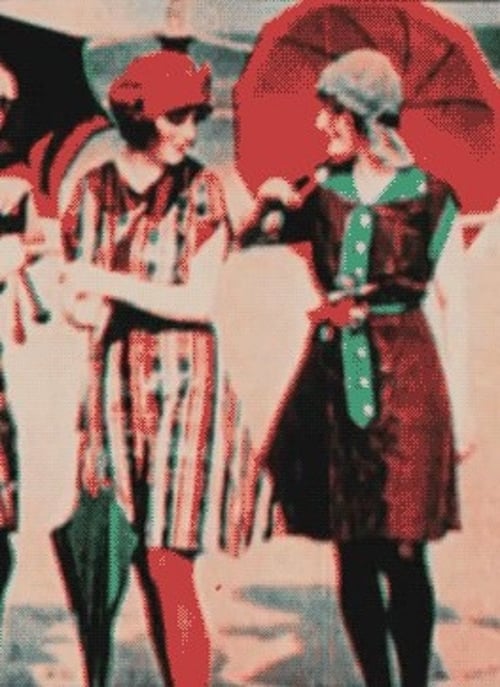
This two-color (green-blue and red) film was produced as a demonstration reel at the Paragon Studios in Fort Lee, New Jersey, under the direction of Kodak scientist John Capstaff. It features leading actresses, including Mae Murray, Hope Hampton, and Mary Eaton, posing and miming for the camera to showcase the capability of the complex Kodachrome process to capture their translucent movie star complexions and colorful, high-fashion clothing.
Overall Score
Minimal
Category Breakdown
LGBTQ+ Representation
The film serves as a technical showcase for color fidelity. It contains no LGBTQ+ characters or narratives addressing non-cisnormative identities.
Gender Representation
Prominent actresses like Mae Murray and Mary Eaton are central subjects. However, they function primarily as vessels to demonstrate color accuracy through glamour and poise.
Racial & Ethnic Diversity
The film focuses on established movie star archetypes of the 1920s. There is no evidence of non-white or non-Anglo-Saxon representation in this reel.
Religious & Cultural Diversity
This work operates within a traditional Western capitalist framework. It lacks a complex moral framework, serving instead as a tool for industrial and commercial marketing.
Disability Representation
The footage is a demonstration of color and fashion. There is no evidence of actors portraying visible or invisible disabilities.
Strengths
Areas for Improvement
AI Analysis
This technical demonstration reel prioritizes the aesthetic perfection of the Kodachrome process over narrative depth. Because its purpose is to showcase skin tones and high-fashion clothing, it lacks the structural complexity needed for meaningful social representation. The film relies heavily on early 20th-century beauty standards. By focusing on 'translucent movie star complexions,' the work reinforces Eurocentric ideals and traditional feminine archetypes rather than exploring diverse identities. Ultimately, the film is an industrial artifact. It functions as a commercial tool for scientific advancement, leaving little room for the subversion of social hierarchies or intersectional storytelling.
1940
1936
1939
1941
1988
1951

1965
1938
1942
1908
1890

1888
No reviews yet. Be the first to share your thoughts on this movie!
Use the rating form above to leave a star rating and optional review.