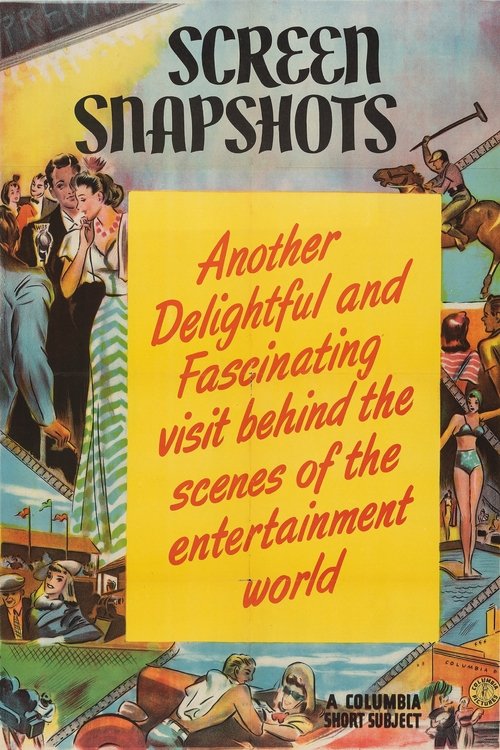
Screen Snapshots (Series 16, No. 1)
1936
No user ratings available yet
Diversity score: 2.1 out of 10
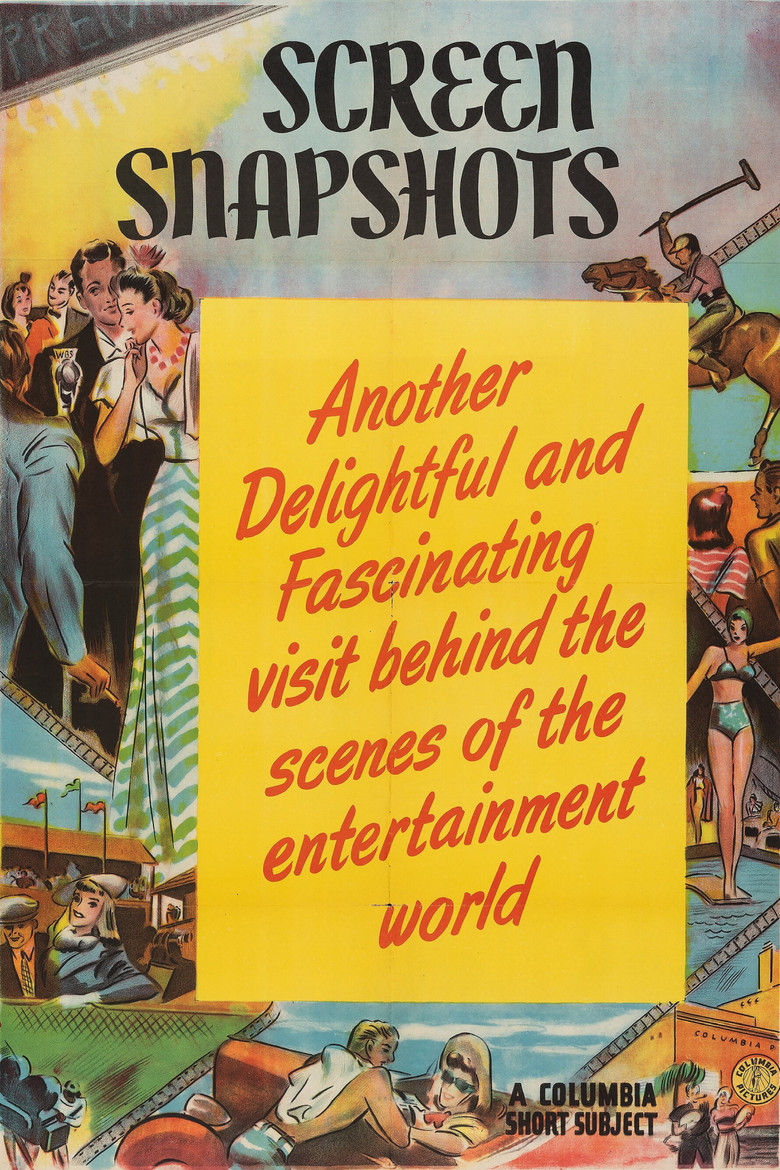
1939
ApprovedDirector
Ralph Staub
Runtime
10 minutes
Average Rating
No ratings yetSynopsis
Ice skating is the theme; at the Tropical Ice Garden, in Westwood Hills, are seen a flock of skating stars including Irene Dare and Phyllis Ann Thomoson, as well as Hollywood luminaries such as Franklyn Pangborn, Norma Shearer, Rita Hayworth, Mickey Rooney, Dick Purcell and Ann Sheridan.
Overall Score
Limited
Category Breakdown
LGBTQ+ Representation
The film lacks any depiction of LGBTQ+ characters or non-heteronormative identities. It adheres to the strict heteronormative standards typical of the 1930s studio era.
Gender Representation
Female stars like Rita Hayworth and Ann Sheridan are central to the footage. However, they are presented primarily as visual spectacles of grace and leisure.
Racial & Ethnic Diversity
The featured group reflects the demographic homogeneity of 1939 Hollywood. There is no evidence of non-white or non-Anglo-Saxon representation among the celebrities shown.
Religious & Cultural Diversity
The short celebrates Western leisure and the aspirational lifestyle of the Hollywood elite. It reinforces traditional social hierarchies rather than challenging them.
Disability Representation
There is no information available regarding the portrayal of individuals with physical or neurodivergent disabilities in this short.
Strengths
Areas for Improvement
AI Analysis
This documentary short serves as a curated window into the social landscape of 1939 Hollywood. While it offers visibility to prominent female stars, it does so within a framework that prioritizes aesthetic appeal and traditional gender roles. The film is a product of its time, reflecting the era's lack of racial and LGBTQ+ diversity. The cast is almost entirely white, mirroring the mainstream studio system's demographic standards of the period. Ultimately, the piece functions as a promotional celebration of celebrity culture. It reinforces existing social hierarchies and Western ideals of glamour rather than offering any intersectional complexity.
1936
1937

1945
1949
1950
1938
1935
1922
1950
1936
1955
1942
No reviews yet. Be the first to share your thoughts on this movie!
Use the rating form above to leave a star rating and optional review.