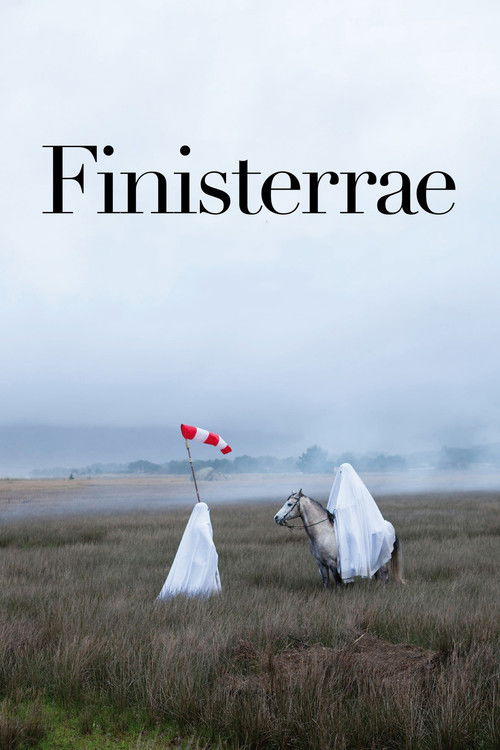
Finisterrae
2010
No user ratings available yet
Diversity score: 4.1 out of 10

1929
Director
Jean Epstein
Runtime
80 minutes
Average Rating
No ratings yetSynopsis
On the islet Bannec, off the coast of Brittany, four fishermen have set up camp for three months to harvest seaweed. If processed correctly, the ash of the seaweed can be sold for high prices. It is therefore burnt in several large piles on the island. Problems arise when one of them gets an infected thumb.
Overall Score
Limited
Category Breakdown
LGBTQ+ Representation
The film lacks any evidence of LGBTQ+ characters or narratives. It operates within a traditional, labor-centric framework typical of early 20th-century naturalist cinema.
Gender Representation
The story focuses almost exclusively on a male-dominated workspace. It prioritizes masculine physical endurance and manual toil rather than providing agency to female characters.
Racial & Ethnic Diversity
The cast reflects the homogeneous demographic of early 20th-century coastal France. It functions as a localized study of a specific Breton community without intersectional racial diversity.
Religious & Cultural Diversity
The film depicts the material conditions of the working class through grueling labor. However, it does not overtly challenge Western religious or social institutions.
Disability Representation
A physical ailment, an infected thumb, serves as the central narrative catalyst. This illustrates the fragility of workers but lacks a nuanced portrayal of disability.
Strengths
Areas for Improvement
AI Analysis
Jean Epstein’s *Finis Terræ* is a naturalist drama that prioritizes the elemental struggle between man and nature. The narrative is built around the rhythmic cycles of seaweed harvesting and the physical toll of manual labor on a small Breton islet. Because the film is a period-specific study of a homogeneous coastal community, it lacks modern intersectional representation. The focus remains on the physical realities of subsistence and the vulnerability of the human body to its environment. Ultimately, the film reflects the cinematic conventions of the late 1920s. It emphasizes environmental realism and traditional labor roles over social or identity-based subversion.
2010

1929
2005

1921
1924
1987

2019

1975

1948
1964

1952

1975
No reviews yet. Be the first to share your thoughts on this movie!
Use the rating form above to leave a star rating and optional review.