
Fantasma
2016
No user ratings available yet
Representation score: 4.8 out of 10
Representation Score
Fair
2010
UnratedDirector
Sergio Caballero
Runtime
80 minutes
Average Rating
No ratings yetNew Showbiz Analysis
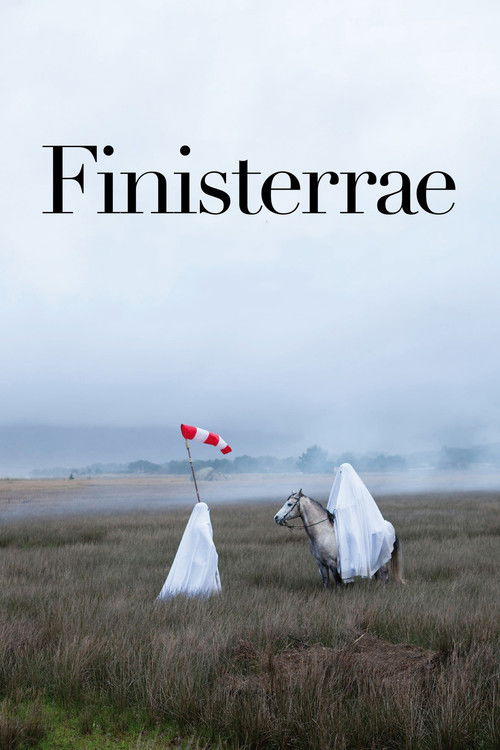
Finisterrae is a surrealist exploration of biological mutation and isolation that prioritizes visceral imagery over social representation. The film's avant-garde nature means it focuses on the deconstruction of the human form rather than traditional character-driven identity politics. While the work avoids traditional heroic archetypes, it lacks the intentionality needed to address diverse identities or systemic social reform. The narrative's commitment to the grotesque often replaces social critique with stylistic experimentation. Ultimately, the film operates within a localized Spanish context, presenting a homogeneous environment that does not actively seek to disrupt traditional ethnic or gendered landscapes.
Category Breakdown
The film doesn't show LGBTQ+ identities or romantic stories between LGBTQ+ characters. The focus on physical changes shifts attention away from personal identity issues.
The story doesn't center on traditional gender roles because of its focus on mutation. Characters act as vessels for surreal horror rather than agents of gender-based social critique.
Set in a remote Spanish village, the casting reflects a local demographic. The film shows a fairly uniform community without much evidence of diverse casting.
The film challenges traditional stability through body horror. It uses a decaying community to criticize biological or social stagnation and predictable social orders.
Physical transformations and biological abnormalities are central, but they function as body horror rather than lived disabilities. Mutations serve as metaphors for chaos rather than giving characters real control.
Present on Screen
Limited or Absent
Official Synopsis
Two ghosts walk along the Camino of Santiago.
2016

1959
2007

1969
2017
2010
2015

1994
No reviews yet. Be the first to share your thoughts on this movie!
Use the rating form above to leave a star rating and optional review.