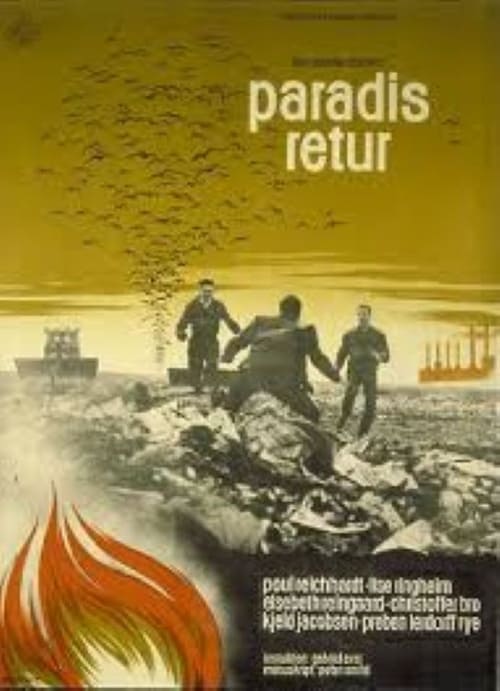
Paradise and Back
1964
No user ratings available yet
Representation score: 1.8 out of 10
Representation Score
Limited
1948
Director
Carl Theodor Dreyer
Runtime
11 minutes
Average Rating
No ratings yetNew Showbiz Analysis
Carl Theodor Dreyer's work often delves into deep psychological and existential themes. However, this particular film seems limited by the social and demographic context of 1948 Denmark. The story revolves around a universal race against time rather than identity-specific struggles. Despite the director's known capacity for nuanced storytelling, the narrative lacks multi-layered complexity. Overall, the film serves as a formalist drama emphasizing the human condition over progressive representation or systemic critique.
Category Breakdown
The film focuses on a man and a woman racing against time. There is no indication of LGBTQ+ identities or same-sex relationships.
The movie features a man and a woman navigating a dangerous motorcycle journey. The female character's involvement in a fast-paced setting suggests a move away from traditional domestic roles.
This 1948 Danish film reflects a predominantly white, homogeneous population. There is no evidence of racial diversity or non-white actors.
The film explores themes of mortality and existentialism, suggesting a philosophical inquiry into human existence. It does not include an explicit critique of institutions or capitalism.
The film does not provide any information about the portrayal of physical or neurodivergent disabilities.
Present on Screen
Limited or Absent
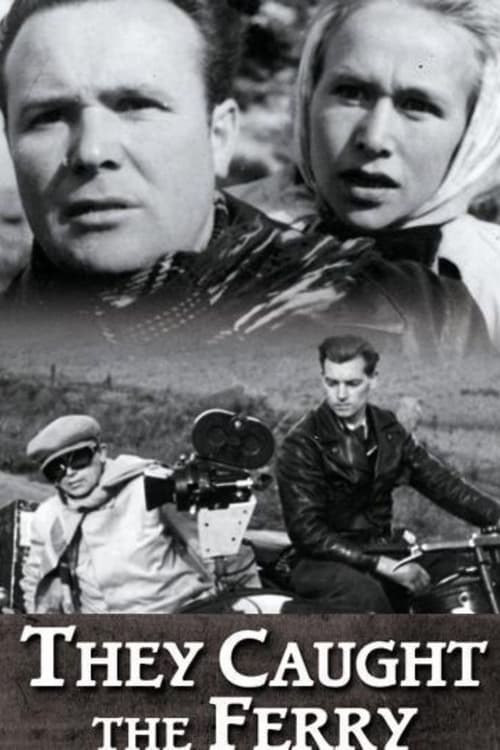
Official Synopsis
A man and a woman on a motorcycle arrive with a ferry to Assens. They want to catch the next ferry in Nyborg, on the other side of the island, but this ferry will leave in three quarters of an hour and the ferry berth is 70 km away.
1964
1976
2002

1950
1975
1945
1969
1948
No reviews yet. Be the first to share your thoughts on this movie!
Use the rating form above to leave a star rating and optional review.