I Was a Kapo
1963
No user ratings available yet
Representation score: 5.4 out of 10
Representation Score
Good
1995
Director
Walter Salles
Runtime
23 minutes
Average Rating
No ratings yetNew Showbiz Analysis
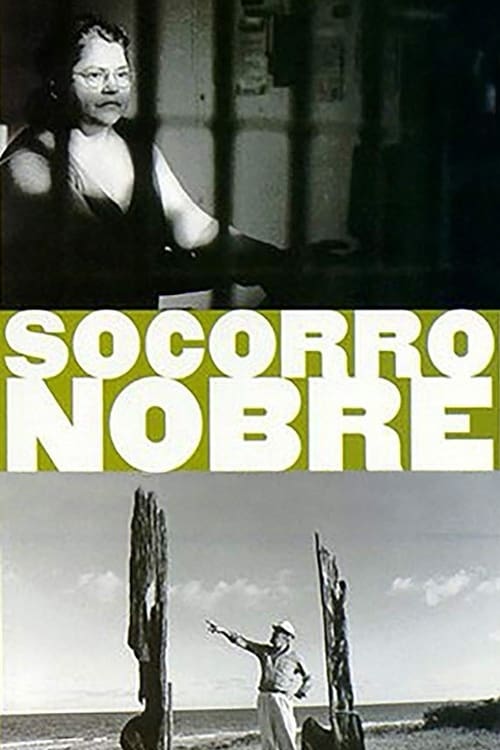
Walter Salles uses a documentary format to explore the intersection of personal struggle and systemic reality. The film succeeds by giving the female protagonist intellectual ability to act, moving her beyond the cliché of a passive victim of the state. The narrative's strength lies in its sophisticated cross-cultural dialogue between Brazilian and Jewish histories. However, the film lacks specific representation regarding LGBTQ+ identities and does not address physical or neurodivergent disabilities.
Category Breakdown
The film focuses on a spiritual and intellectual bond between an inmate and an artist. There are no explicit depictions of LGBTQ+ identities or relationships that assume everyone is straight or cisgender.
Maria do Socorro Nobre is portrayed as an intellectual leader rather than a passive character. The film highlights her emotional journey and her initiative to connect with the outside world.
The story bridges Brazilian and Polish-Jewish identities. It connects the Afro-Brazilian heritage of Salvador with the historical trauma of a Holocaust survivor.
The narrative engages with systemic critique by framing art as a means to transcend prison. It explores historical trauma and individual resilience against institutional authority.
There is no mention of physical or neurodivergent disabilities. The artist's torment is presented as existential depth rather than a specific disability.
Present on Screen
Limited or Absent
Official Synopsis
When the inmate Maria do Socorro Nobre reads an article about the Polish artist Franz Krajcberg in Veja magazine, she decides to write a letter to him. Socorro was sentenced to more than twenty-one years in a prison for women in Salvador, Bahia, while Franz is a tormented artist that lost his family and lived his childhood in a ghetto in Poland but survived the Holocaust. Franz moved to Brazil and recovered life wish living close to nature and inspires Socorro to dream with life again.
1963

2020

2018
2003

2013

2012
2003
2000
No reviews yet. Be the first to share your thoughts on this movie!
Use the rating form above to leave a star rating and optional review.