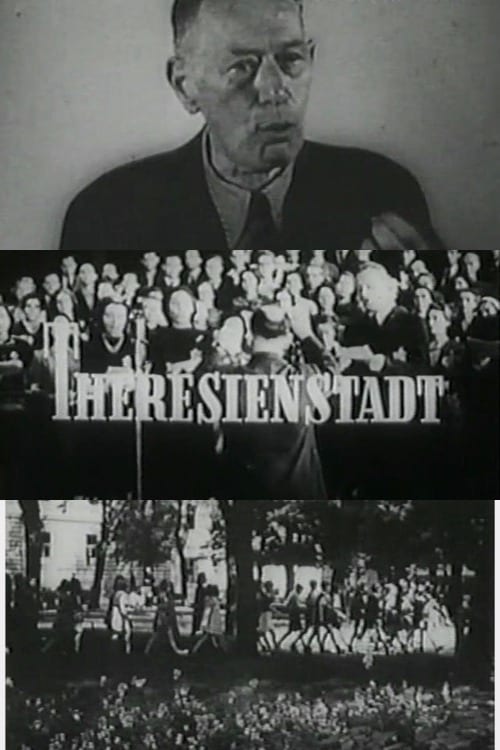
Theresienstadt
1944
No user ratings available yet
Representation score: 0.8 out of 10
Representation Score
Fair
2003
PGDirector
Malcolm Clarke, Stuart Sender
Runtime
96 minutes
Average Rating
No ratings yetNew Showbiz Analysis
Prisoner of Paradise is a historical exploration of how identity is weaponized by totalitarian power. The film succeeds by centering the lived experience of a underrepresented individual against a state-mandated narrative. Its primary strength lies in its deep engagement with ethnic and religious identity during the Holocaust. By focusing on the German-Jewish experience, the documentary provides a critical look at systemic oppression. However, the film lacks verifiable representation regarding contemporary identity markers. There is no specific information regarding LGBTQ+ identities or disability-related themes within the narrative.
Category Breakdown
The film does not explicitly depict LGBTQ+ identities. Although the 1920s cabaret setting often includes queer subcultures, there are no confirmed specific depictions.
The narrative centers on Kurt Gerron's role. It does not provide detailed information about female characters or the subversion of gender hierarchies.
The documentary focuses on the Jewish experience during the Holocaust. It examines the systemic persecution of a underrepresented community through a German-Jewish perspective.
The film highlights how state institutions weaponize media and corrupt art. It focuses on the historical truth of systemic oppression under an oppressive regime.
There is no evidence that neurodivergence, physical disability, or mental health conditions are central themes or character arcs.
Present on Screen
Limited or Absent
Official Synopsis
The film tells the true story of Kurt Gerron, a German-Jewish cabaret and film actor in the 1920s and 1930s who was sent to the Theresienstadt concentration camp where he was commanded to write and direct a Nazi propaganda film.
1944
1998

2007

1985

2000

2018
2006

1965
No reviews yet. Be the first to share your thoughts on this movie!
Use the rating form above to leave a star rating and optional review.