Big Mäck: Gangsters and Gold
2023
No user ratings available yet
Representation score: 3.5 out of 10
Representation Score
Fair
2009
Director
Peter Dörfler
Runtime
0 minutes
Average Rating
No ratings yetNew Showbiz Analysis
Catapult is a character-driven exploration of systemic issues and the breakdown of economic and family structures. It focuses on the consequences of failed entrepreneurship and legal crises faced by the Witte family. The film prioritizes a critique of capitalist stability and institutional constraints over demographic representation. While it delves into international legal frameworks, the narrative perspective remains centered on the German protagonists. Ultimately, the documentary serves as a study of individual struggle against systemic failures, rather than a platform for identity politics or diverse representation.
Category Breakdown
The film does not include any characters who identify as LGBTQ+, nor does it feature anyone with a non-binary gender identity. The story revolves around the legal and family issues faced by the Witte family.
The story focuses on patriarchal figures, particularly the father and son, who make high-risk decisions. The narrative does not challenge traditional gender roles.
The film alternates between settings in Germany and Peru, but the main characters and their actions remain centered in Germany. The Peruvian context primarily serves as a backdrop for legal complexities.
The film examines the failures of capitalism and legal systems through the lens of individual struggle. It documents the decline of businesses and the descent into criminal activities, critiquing traditional institutions.
There is no depiction of individuals with physical or neurodevelopmental disabilities in the film.
Present on Screen
Limited or Absent
Official Synopsis
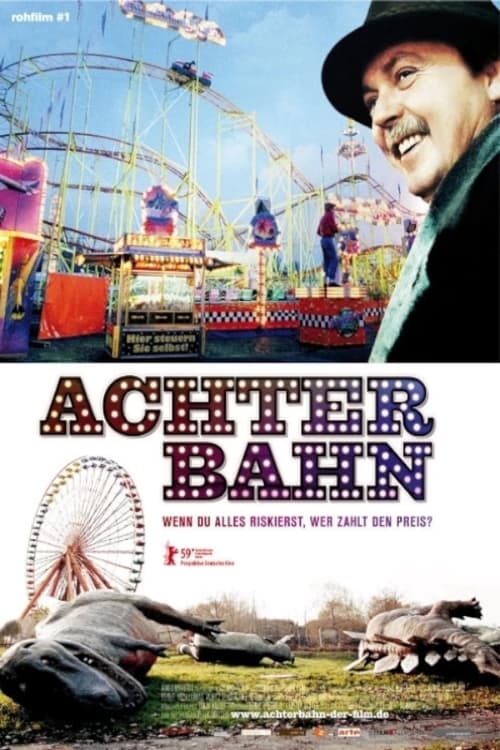
Norbert Witte, once the king of the only amusement park of the former GDR, today he is behind bars in Germany. When fleeing bankruptcy in Berlin, Norbert Witte and his family secretly shipped their rollercoasters to Peru. Things went wrong here too. In a desperate attempt, Norbert tried to smuggle cocaine to Germany. Three years later his 23 years old son Marcel was sentenced to 20 years in a Peruvian prison. Now the father is doing everything he can in order to free his son.
2023

2011
1991
2020
2015
2015
2016

2020
No reviews yet. Be the first to share your thoughts on this movie!
Use the rating form above to leave a star rating and optional review.