The Novel of Werther
1938
No user ratings available yet
Diversity score: 2.5 out of 10
1947
NRDirector
André de Toth
Runtime
95 minutes
Average Rating
No ratings yetSynopsis
Seriously ill, concert pianist Karen Duncan is admitted to a Swiss sanitorium. Despite being attracted to Dr Tony Stanton she ignores his warnings of possibly fatal consequences unless she rests completely. Rather, she opts for a livelier time in Monte Carlo with dashing Paul Clermont.
Overall Score
Limited
Category Breakdown
LGBTQ+ Representation
The film lacks any evidence of non-heteronormative identities or same-sex intimacy. The narrative tension is strictly confined to a romantic triangle involving a female lead and two men.
Gender Representation
Karen Duncan displays agency by prioritizing her own desires over medical authority. However, her character arc remains centered on traditional romantic tropes and her relationships with men.
Racial & Ethnic Diversity
The Swiss and Monte Carlo settings suggest a focus on a homogeneous European social class. The film appears to follow the era's standard of depicting white, Western protagonists.
Religious & Cultural Diversity
The story operates within a conventional Western framework of romantic melodrama. It lacks systemic critiques or ideological explorations, focusing instead on personal and emotional conflicts.
Disability Representation
The protagonist's illness drives the plot, but it functions primarily as a device to heighten romantic stakes. There is no evidence of a nuanced exploration of disability.
Strengths
Areas for Improvement
AI Analysis
The film is a product of its 1947 era, prioritizing individual romantic agency over social or systemic critique. It follows a traditional mid-century structure where character conflicts are personal rather than ideological. While the female lead shows some autonomy in her choices, the narrative remains tethered to conventional gender roles and romantic tropes. The setting and character dynamics suggest a homogeneous, Western-centric worldview. Ultimately, the film serves as a standard romantic drama. It lacks the intersectional depth or diverse representation required to challenge the social hierarchies of its time.
1938
1987
1958

1977
1974
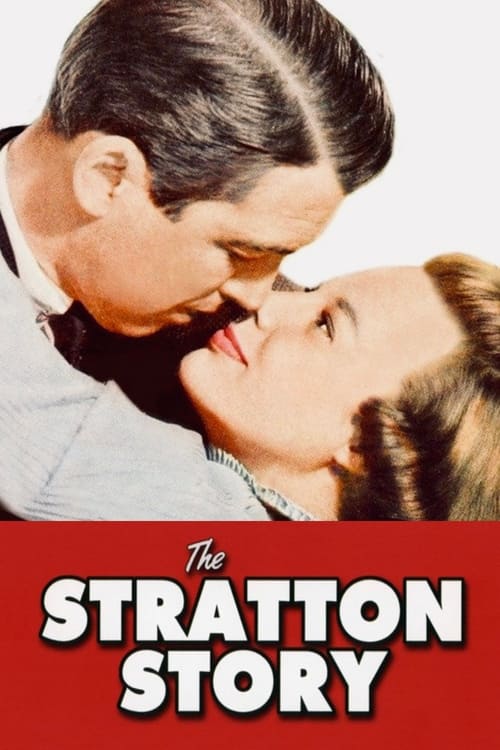
1949
1966
1963
1932
1958
2001
1939
No reviews yet. Be the first to share your thoughts on this movie!
Use the rating form above to leave a star rating and optional review.