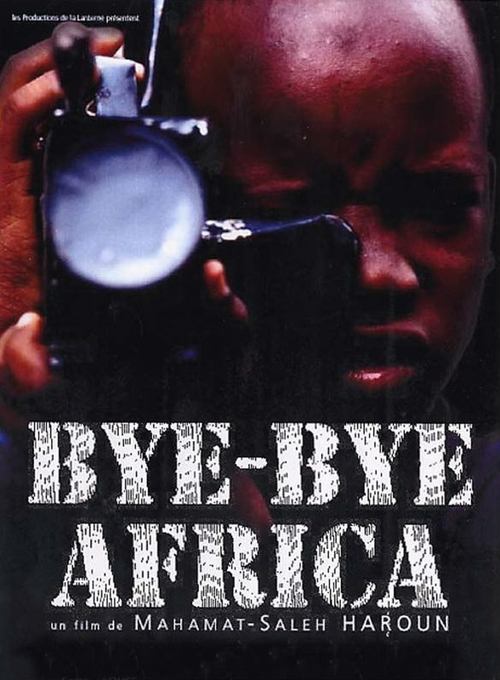
Bye Bye Africa
1999
No user ratings available yet
Diversity score: 6.6 out of 10

1959
Director
Lionel Rogosin
Runtime
95 minutes
Average Rating
No ratings yetSynopsis
Come Back, Africa chronicles the life of Zachariah, a black South African living under the rule of the harsh apartheid government in 1959.
Overall Score
Good
Category Breakdown
LGBTQ+ Representation
The film contains no documented depictions of LGBTQ+ identities or non-cisnormative expressions. Its thematic focus remains strictly on racial and class-based systemic struggles.
Gender Representation
The narrative centers on a male protagonist's navigation of urban alienation. It lacks significant female agency or subversion of gender hierarchies, tethering gender to patriarchal social structures.
Racial & Ethnic Diversity
This film disrupts mid-century norms by centering the Black South African experience. Using non-professional Black actors, it shifts the cinematic gaze from the oppressor to the oppressed.
Religious & Cultural Diversity
The story critiques institutionalized racial capitalism and state-sanctioned oppression. It highlights the friction between individual dignity and the dehumanizing mechanics of the apartheid state apparatus.
Disability Representation
There are no specific, identifiable portrayals of visible or invisible disabilities. While it captures the toll of poverty, disability does not serve as a central narrative driver.
Strengths
Areas for Improvement
AI Analysis
Lionel Rogosin’s use of cinéma vérité and non-professional actors provides a profound disruption of 1950s cinematic norms. By centering a Black protagonist under apartheid, the film functions as a decolonial text that prioritizes authentic, lived experiences over studio-driven narratives. The film excels in racial and cultural representation, framing the struggle for identity as a direct response to systemic violence. It successfully shifts the perspective from the colonial oppressor to the marginalized individual. However, the narrative is limited by its narrow focus on a singular male experience. The absence of LGBTQ+ representation and significant female agency prevents a more holistic depiction of social diversity.
1999

1996
2019

2009

2015
1934

2013
2011
2001
1944
No reviews yet. Be the first to share your thoughts on this movie!
Use the rating form above to leave a star rating and optional review.