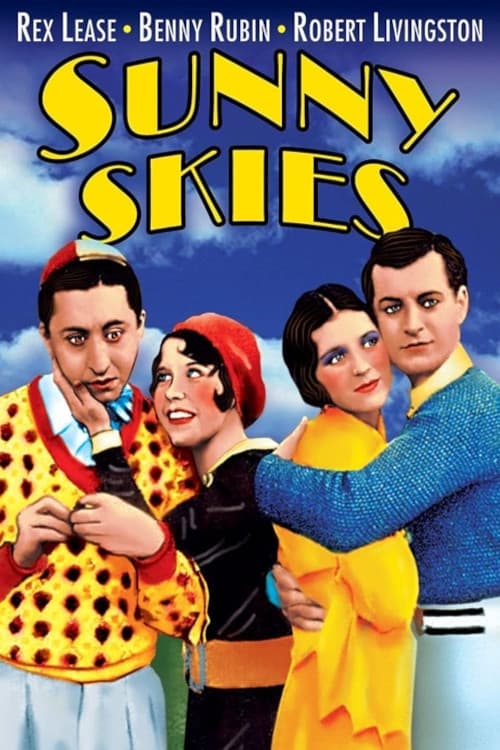
Sunny Skies
1930
No user ratings available yet
Representation score: 1.4 out of 10
Representation Score
Limited
1938
ApprovedDirector
Harold D. Schuster
Runtime
70 minutes
Average Rating
No ratings yetNew Showbiz Analysis
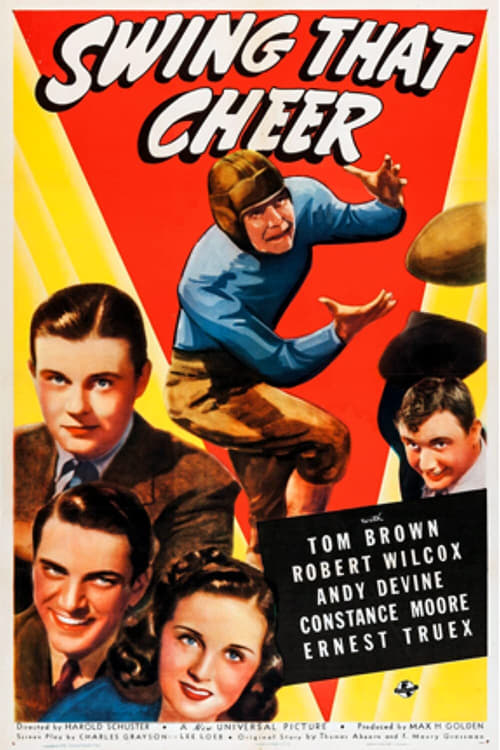
Swing That Cheer is a product of the late 1930s studio system, prioritizing conventional social hierarchies and traditionalist standards. The narrative structure is built around masculine-centric conflict and standard moral structures, offering very little disruption to the established cultural norms of its time. The film's focus on collegiate sports and male camaraderie results in a narrow perspective. It relies on archetypal character dynamics, such as the arrogant athlete and the loyal teammate, to drive its moral lessons. Ultimately, the work serves as a period-typical comedy that reinforces existing social structures rather than questioning them. It lacks meaningful representation across most diversity metrics.
Category Breakdown
The film does not include any visible LGBTQ+ characters or narratives that challenge the assumption that everyone is straight or cisgender. It adheres strictly to the social norms of 1938.
The story centers on male athletic competition and interpersonal dynamics among teammates. It reinforces a traditional masculine hierarchy focused on ego and sportsmanship.
The narrative likely reflects the era's tendency toward Anglo-centric casting. There is no evidence of non-white protagonists or diverse ethnic representation.
The plot functions as a conventional moral fable about humility and friendship, reinforcing traditional Western values within a structured collegiate setting.
Physical impairment is used merely as a narrative device through a feigned injury. This treats disability as a plot tool rather than a lived experience.
Present on Screen
Limited or Absent
Official Synopsis
Undeniably talented on the gridiron, Bob Potter is equally undeniably an arrogant pain in the posterior. So swell-headed does Potter become that he can never admit to himself that his blocking-back teammate Larry Royal is equally responsible for Bob's success. To teach his pal a lesson, Larry feigns an injury and pulls out of the Big Game, forcing Bob to have a go at it alone.
1930
1938
1936
1939
1934
1950
1941
1939
No reviews yet. Be the first to share your thoughts on this movie!
Use the rating form above to leave a star rating and optional review.