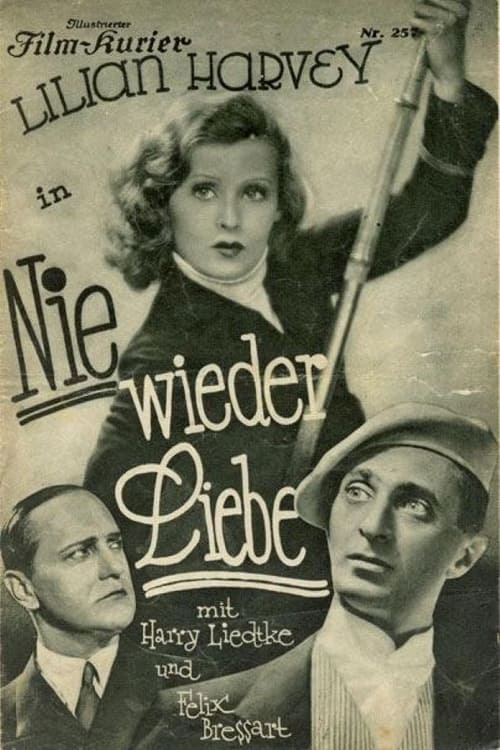
No More Love
1931
No user ratings available yet
Diversity score: 2.5 out of 10

1934
NRDirector
Benjamin Stoloff
Runtime
86 minutes
Average Rating
No ratings yetSynopsis
Joe Palooka is a naive young man whose father Pete was a champion boxer, but his lifestyle caused Joe's mother Mayme to leave him and to take young Joe to the country to raise him.
Overall Score
Limited
Category Breakdown
LGBTQ+ Representation
The film lacks any evidence of non-cisnormative identities or same-sex intimacy. It adheres to the heteronormative structures common in 1934 cinema.
Gender Representation
The story centers on a fractured family unit and traditional domestic roles. While the mother shows agency by leaving, the narrative reinforces conventional gendered expectations.
Racial & Ethnic Diversity
The plot focuses on a localized family struggle. There is no indication of a multi-ethnic cast or the subversion of the era's homogeneous casting standards.
Religious & Cultural Diversity
The narrative emphasizes lineage and traditional social structures through a son following his father's footsteps. It functions as a standard moralizing tale regarding family legacy.
Disability Representation
There is no information available regarding the depiction of physical or neurodivergent characters in this production.
Strengths
Areas for Improvement
AI Analysis
Palooka is a product of the 1930s studio system, prioritizing traditional comedic and musical frameworks over narrative subversion. The story relies on established tropes of domesticity and individual merit, which limits its intersectional depth. The film's focus on a single family's struggle suggests a narrow social scope. It lacks the systemic critique or diverse casting necessary to move beyond the standard social hierarchies of its era. Ultimately, the film serves as a period piece that reflects the homogeneous and conventional social norms of early 1930s American cinema.
1931
1945
1934
1947
1940
1944
1937

1935

1933

1934
1933
1933
No reviews yet. Be the first to share your thoughts on this movie!
Use the rating form above to leave a star rating and optional review.