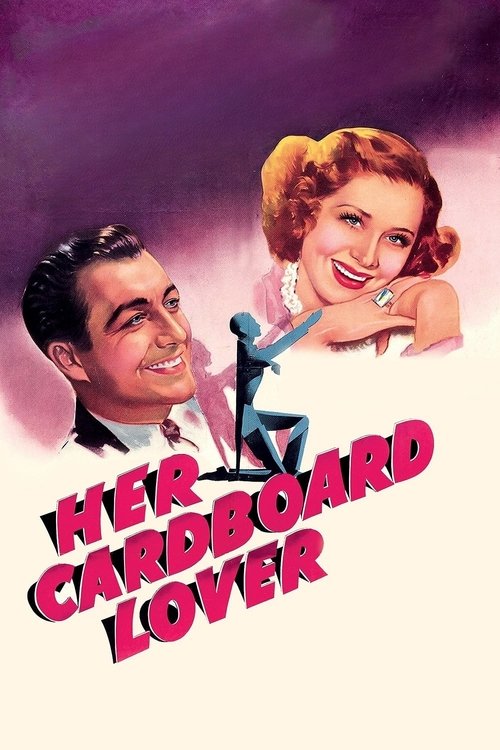
Her Cardboard Lover
1942
No user ratings available yet
Representation score: 0.8 out of 10
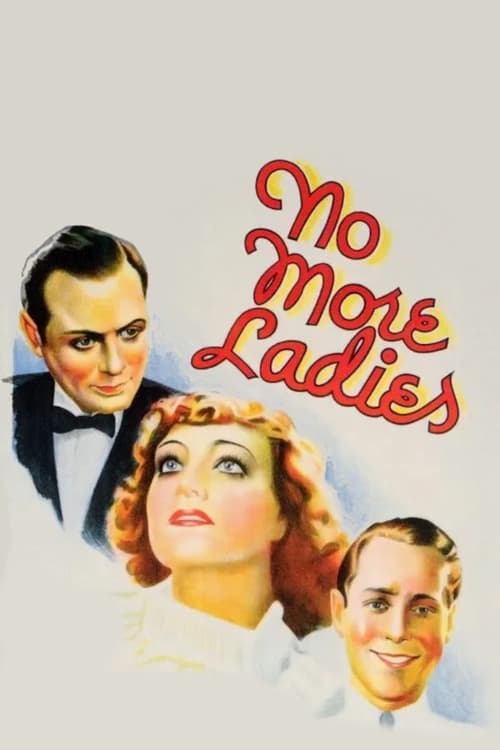
Representation Score
Limited
1935
NRDirector
Edward H. Griffith
Runtime
80 minutes
Average Rating
No ratings yetNew Showbiz Analysis
No More Ladies is a product of its 1935 historical context, characterized by a significant lack of racial and disability representation. The film focuses almost exclusively on a singular, Western, high-society archetype. However, the film distinguishes itself through its gender dynamics. By utilizing a narrative structure where women reclaim control through social withdrawal, it challenges the era's traditional male-dominated hierarchies. While the production remains a luxury-focused escapist piece, the subversion of domestic roles provides a meaningful, period-specific layer of representation for the female ensemble.
Category Breakdown
The film operates within a framework that assumes everyone is straight or cisgender. There are no same-sex romantic arcs or non-cisgender identities present in the narrative.
The story centers on a collective of women who temporarily reject male authority. This challenges traditional hierarchies by making female social maneuvering the primary plot engine.
The cast is a homogeneous, upper-class white ensemble. It reflects the era's systemic lack of diverse ethnic backgrounds.
The film depicts high-society luxury and reinforces Western class hierarchies. It offers a minor critique of social contracts through the women's pursuit of independent leisure.
There is no discernible representation of physical or neurodivergent identities. Characters are defined by socioeconomic status and gendered roles rather than disability.
Present on Screen
Limited or Absent
Official Synopsis
A society girl tries to reform her playboy husband by making him jealous.
1942
1938
1941
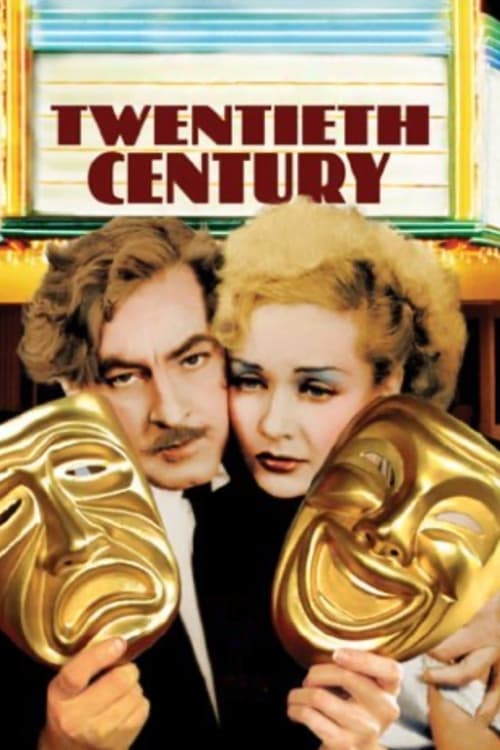
1934
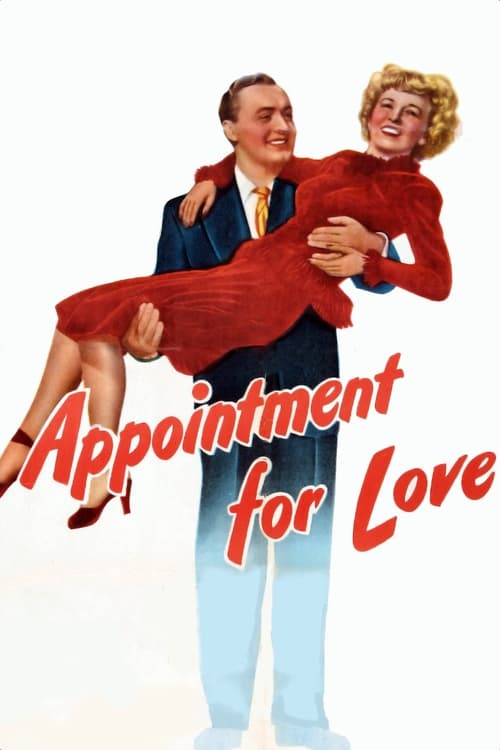
1941
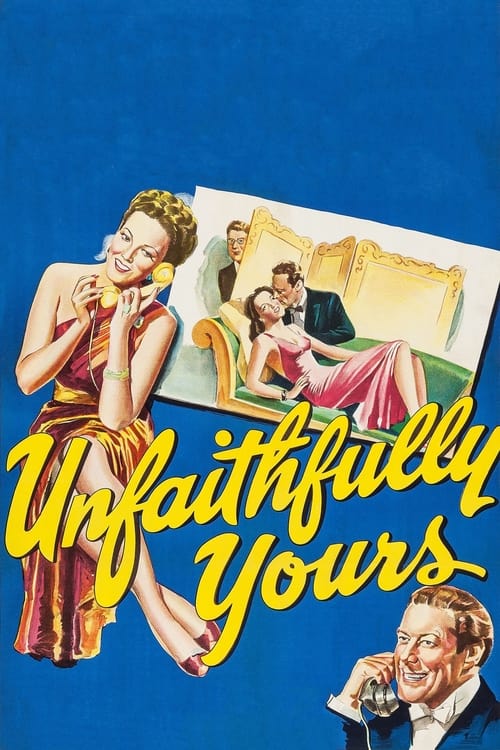
1948
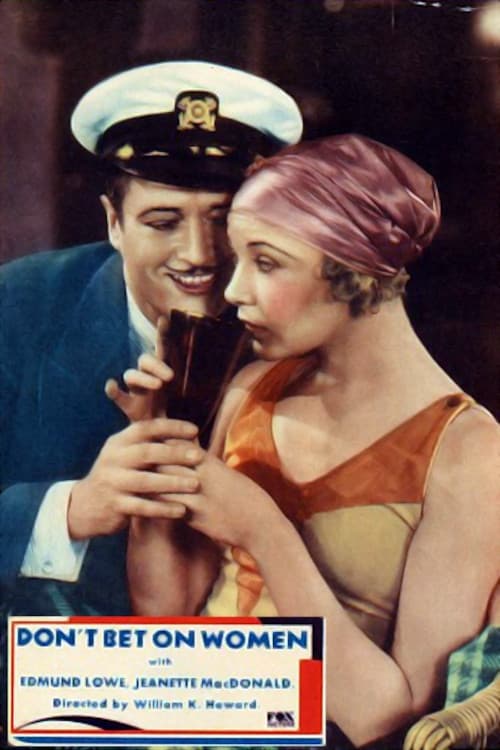
1931
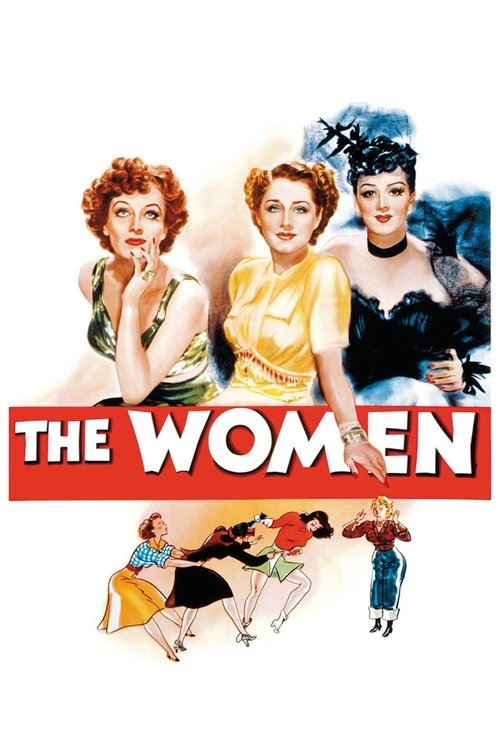
1939
No reviews yet. Be the first to share your thoughts on this movie!
Use the rating form above to leave a star rating and optional review.