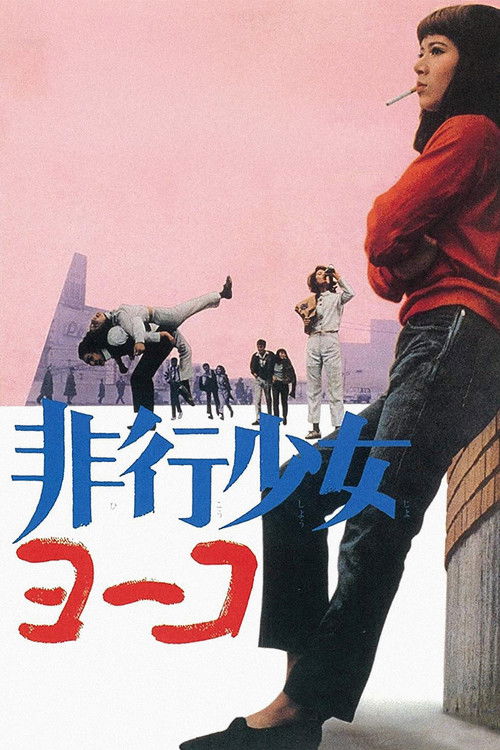
Pretty Devil Yoko
1966
No user ratings available yet
Representation score: 3.4 out of 10

Representation Score
Fair
1960
Director
Yoshishige Yoshida
Runtime
88 minutes
Average Rating
No ratings yetNew Showbiz Analysis
Yoshishige Yoshida’s film uses themes of boredom and emptiness to question established social structures. Despite following a conventional romantic storyline, the film’s placement in the Japanese New Wave suggests a challenge to traditional hierarchies. The film’s strengths lie in its critique of post-war social structures and class distinctions. It uses Western influences like jazz to highlight the alienation felt by youth within rigid Japanese institutions. However, the film remains limited by its lack of LGBTQ+ representation and its focus on a culturally homogeneous setting. It relies on class tension rather than diverse ethnic or identity-based perspectives.
Category Breakdown
The film centers on a typical romance between a male protagonist and a female secretary. There are no explicit LGBTQ+ characters or non-straight relationships.
The female lead actively influences the story and challenges traditional submissive roles. She plays a significant role in driving the narrative.
The film is set in a culturally uniform Japanese context. It explores social differences through class rather than racial diversity.
The film critiques rigid Japanese society by focusing on jazz and existential themes. This highlights the alienation felt by youth within traditional cultural norms.
There is no depiction of physical or neurodivergent disabilities in the film.
Present on Screen
Limited or Absent
Official Synopsis
Yoshida's first feature follows the lives of young students against a background of jazz, emptiness and boredom. The plot is fairly simple: a "good-for-nothing" from a poor background falls in love with the young secretary of his rich friend's father. The woman senses good in him and tries to lead him on the right path.
1966
1964

1960
1955
1960
1960

1960

1950
No reviews yet. Be the first to share your thoughts on this movie!
Use the rating form above to leave a star rating and optional review.