
Rape and Death of a Housewife
1978
No user ratings available yet
Representation score: 3.8 out of 10
Representation Score
Good
1988
Director
Yoshihiko Matsui
Runtime
150 minutes
Average Rating
No ratings yetNew Showbiz Analysis
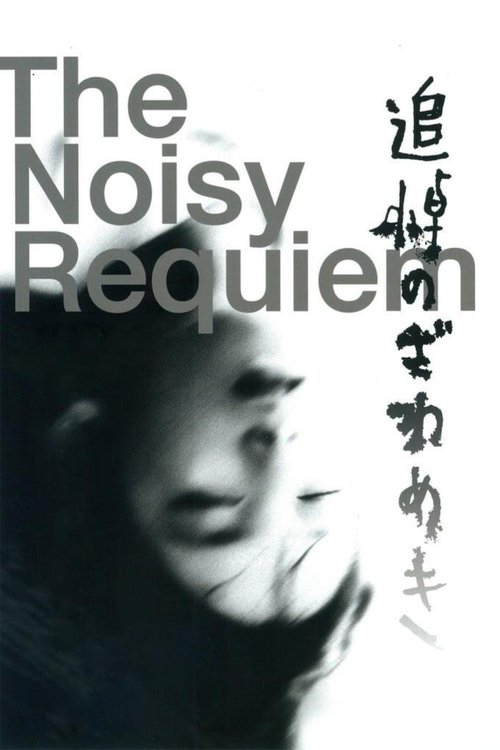
The Noisy Requiem functions as a transgressive critique of mainstream Japanese society. It succeeds by centering its narrative on the fringes of Osaka, effectively dismantling the image of a prosperous, unified nation through its focus on underrepresented misfits. However, the film's commitment to diversity is hampered by its reliance on shock. While it challenges social norms, it often lacks the character-driven depth required to move beyond mere transgression, particularly regarding gender and disability. Ultimately, the work is a study of systemic alienation. It prioritizes a non-conformist perspective that actively resists the social order, even if its specific identity representations remain underdeveloped.
Category Breakdown
The film explores unconventional sexual dynamics and perversions. However, it remains unclear if these portrayals offer genuine queer ability to act or simply use transgressive sexuality for shock value.
The narrative disrupts traditional family hierarchies by focusing on alienated misfits. While it challenges conventional provider roles, it lacks specific evidence of nuanced gender role subversion.
By centering on the Osaka slums, the film rejects the idealized, homogeneous Japanese social narrative. It prioritizes individuals existing outside the mainstream social consensus.
The film offers high cultural subversion by deconstructing the social contract. It frames traditional societal structures as oppressive, presenting a critique of the outside world through subjective morality.
Characters are described as misfits, but there is no evidence of neurodivergent or physical disability representation. These traits risk being used as mere horror plot devices.
Present on Screen
Limited or Absent
Official Synopsis
In the slums of Osaka, various marginalized misfits have their own interpretations of love. Completely alienated from the outside world, they commit sexual perversions, violence and cannibalism.
1978

1969
1969
1978
1965

1960

1998

1976
No reviews yet. Be the first to share your thoughts on this movie!
Use the rating form above to leave a star rating and optional review.