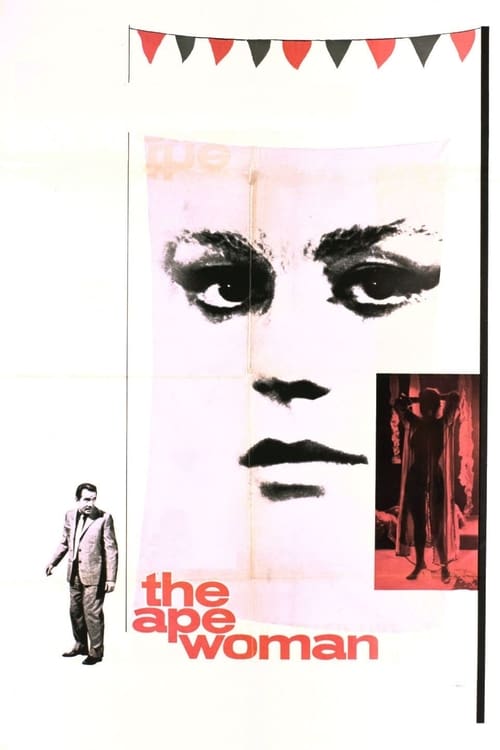
The Ape Woman
1964
No user ratings available yet
Diversity score: 5.3 out of 10
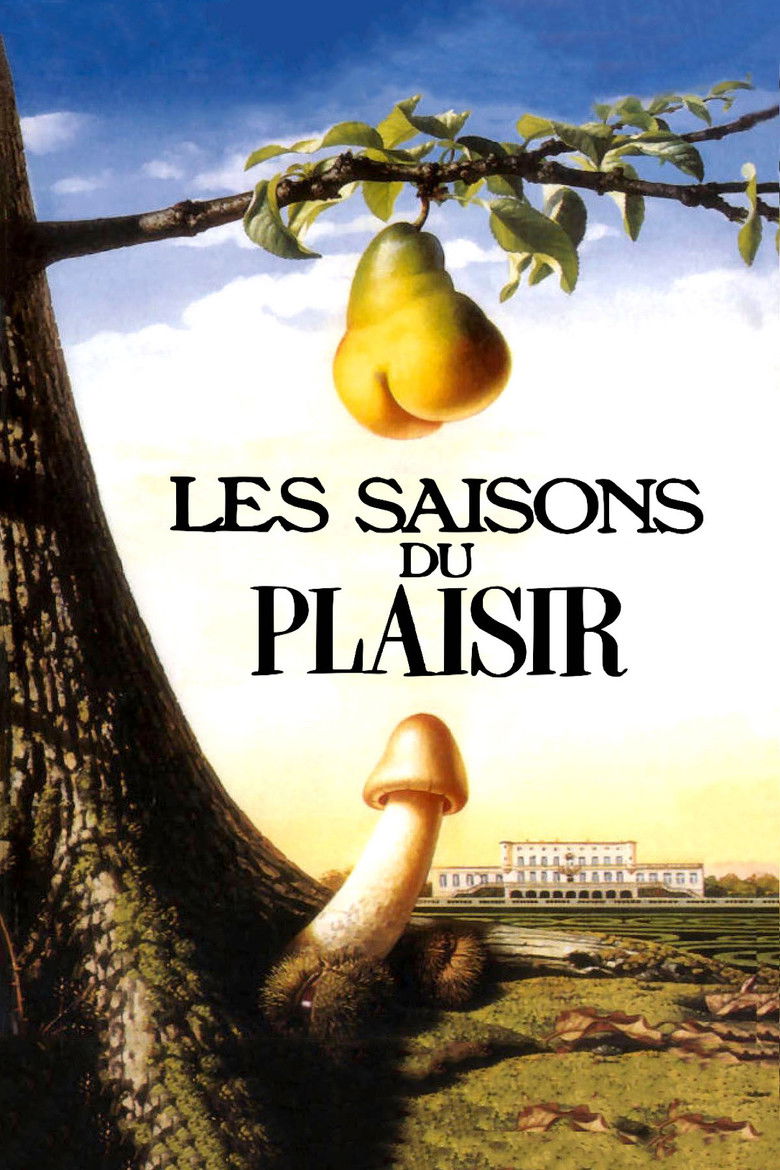
1988
Director
Jean-Pierre Mocky
Runtime
88 minutes
Average Rating
No ratings yetSynopsis
Charles and Emmanuelle organize as every year, the congress of perfumers who distribute their products in their castle. Garibaldi, their mutilated and somewhat disturbed son-in-law, will be the butler.
Overall Score
Fair
Category Breakdown
LGBTQ+ Representation
The film lacks explicit depictions of LGBTQ+ identities or non-heteronormative relationships. The narrative focuses primarily on the familial and professional connections of the main characters.
Gender Representation
Charles and Emmanuelle appear to operate as a collaborative partnership in organizing the perfumers' congress. This suggests a shared agency that avoids a strictly patriarchal hierarchy.
Racial & Ethnic Diversity
The setting within a traditional European castle suggests a likely homogeneous demographic. There is no evidence of a multi-ethnic cast or diverse character agency.
Religious & Cultural Diversity
The story uses a specialized professional congress and a castle setting to satirize capitalism and luxury. The inclusion of a disturbed butler suggests a critique of class hierarchies.
Disability Representation
Garibaldi, described as mutilated and disturbed, occupies a prominent role as the butler. This moves the character away from being a peripheral or purely tragic figure.
Strengths
Areas for Improvement
AI Analysis
Jean-Pierre Mocky utilizes satire to deconstruct bourgeois sensibilities and traditional social structures. The film's strength lies in its potential to disrupt conventional hierarchies of class and normalcy through its eccentric character choices. However, the narrative operates within a traditional Western framework. It lacks significant markers of racial or LGBTQ+ diversity, focusing instead on the subversion of social decorum and the pursuit of luxury. While the film provides meaningful representation regarding disability and class disruption, the overall demographic remains largely homogeneous and centered on traditional European settings.
1964

2018
1977

1992
1961
2012
1994

2017
1964

2007

1939
1957
No reviews yet. Be the first to share your thoughts on this movie!
Use the rating form above to leave a star rating and optional review.