
Life Is a Bed of Roses
1983
No user ratings available yet
Representation score: 5.9 out of 10
Representation Score
Fair
1985
RDirector
Nicolas Roeg
Runtime
109 minutes
Average Rating
No ratings yetNew Showbiz Analysis
Nicolas Roeg’s film is a sophisticated exploration of existential themes set within a fragmented narrative structure. It prioritizes metaphysical inquiry over social representation, using a non-linear approach to delve into the existential weight of human life within a mid-century British context. While the film successfully challenges traditional narrative expectations and disrupts certain masculine stereotypes, it lacks intentional demographic diversity. The storytelling remains confined to a homogeneous social setting, focusing on universal existential themes rather than diverse identities. Ultimately, the work functions as a study of cosmic indifference. It views human structures and social hierarchies as transient, resulting in a narrative that avoids systemic social critique in favor of subjective morality.
Category Breakdown
The film focuses almost exclusively on heterosexual relationships. There are no significant representations of non-binary gender identities or same-sex intimacy in the main characters' storylines.
The narrative highlights the male lead's emotional vulnerability, offering him a degree of psychological complexity that deviates from typical stoic masculinity. However, the story remains centered around a traditional romantic relationship.
The cast is predominantly composed of individuals from a similar racial background, reflecting the specific social and geographic context of the setting. The narrative centers on the white, intellectual middle class of the time period.
The engagement with culture is primarily existential rather than political. The film prioritizes metaphysical questions over religious or nationalist ideologies, viewing society through a lens of cosmic indifference.
There are no prominent depictions of physical or neurodivergent disabilities influencing the narrative. The focus on psychological depth does not explore disability as a lived experience.
Present on Screen
Limited or Absent
Official Synopsis
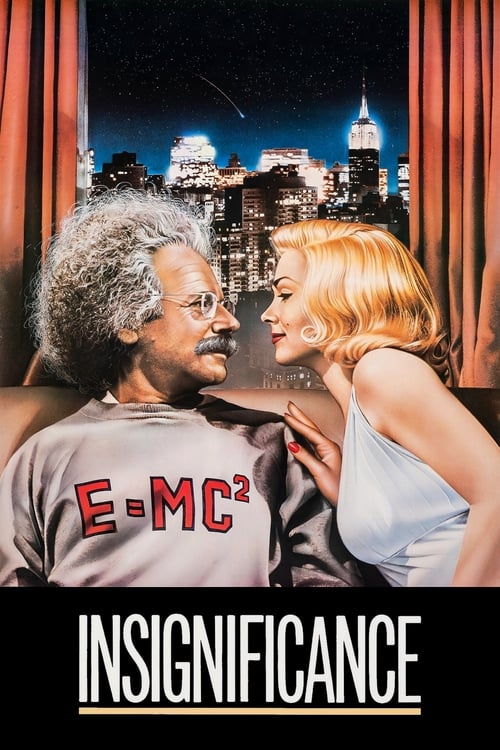
Four 1950s icons meet in the same hotel room, and two of them discover more in common between them than they ever anticipated.
1983
1968

1987

1977

1989

2008

1977

1980
No reviews yet. Be the first to share your thoughts on this movie!
Use the rating form above to leave a star rating and optional review.