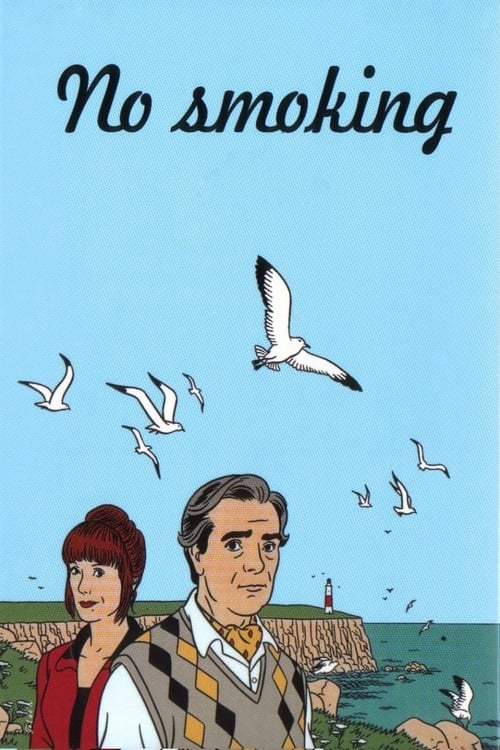
No Smoking
1993
No user ratings available yet
Representation score: 7.0 out of 10
Representation Score
Good
1993
Director
Alain Resnais
Runtime
280 minutes
Average Rating
No ratings yetNew Showbiz Analysis
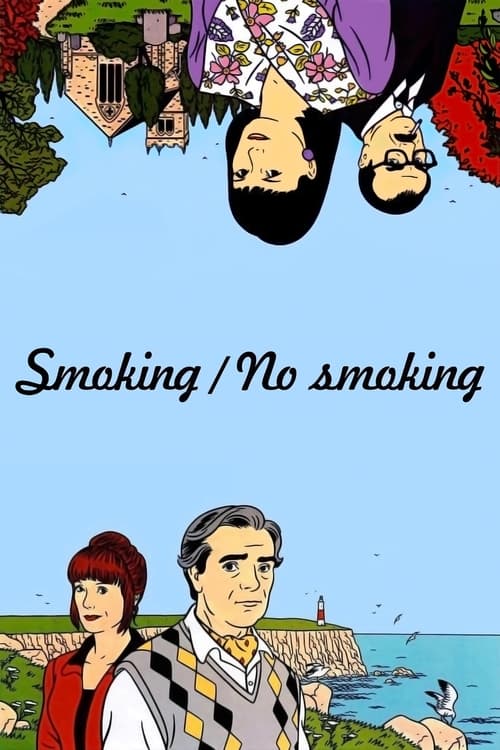
Smoking / No Smoking is a sophisticated exercise in postmodern narrative architecture. Rather than focusing on demographic variety, it achieves progressive value through intellectual subversion. It challenges the 'truth' of Western storytelling by replacing stable arcs with situational ethics. The film's primary contribution lies in its deconstruction of the objective observer. It promotes a worldview where identity and truth are fluid, multifaceted, and perpetually in flux, prioritizing subjective experience over singular, authoritative morality. While the film lacks traditional representation in terms of race and disability, its structural approach to identity provides a unique, if indirect, form of progressive engagement.
Category Breakdown
The film avoids explicit queer narratives and does not critique the assumption that everyone is straight. However, its rejection of a fixed reality allows for interpersonal dynamics that bypass traditional constraints, offering a framework where non-traditional identities can exist without being tied to clichés.
Resnais disrupts gender hierarchies by presenting multiple versions of the same characters. This deconstruction strips away the ability to categorize characters through rigid, traditional social roles or domestic expectations.
The narrative centers on a specific Yorkshire-based ensemble. There is no evidence of significant racial or ethnic diversity within the primary cast or any visible attempt at diverse casting.
The film excels in challenging Western epistemological certainties. It champions moral relativism and the subjectivity of truth, critiquing the concept of a 'grand narrative' through its fragmented, non-linear structure.
The film explores the fragmentation of memory and perception metaphorically. It does not feature characters with visible or invisible physical or neurodivergent disabilities portrayed with specific ability to act.
Present on Screen
Limited or Absent
Official Synopsis
Two actors portray eighteen Yorkshire villagers, who offer several iterations of their lives depending on whether or not they lit a cigarette at a certain point in time.
1993

1997
1993

1977

2004
1998

2004
1952
No reviews yet. Be the first to share your thoughts on this movie!
Use the rating form above to leave a star rating and optional review.