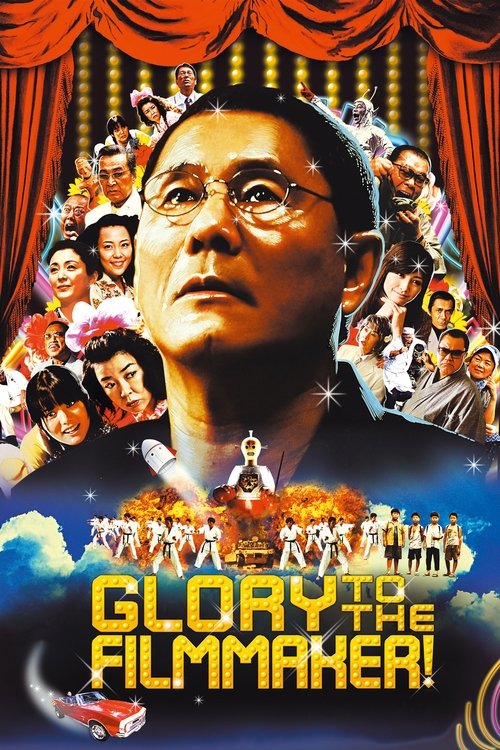
Glory to the Filmmaker!
2007
No user ratings available yet
Representation score: 5.2 out of 10
Representation Score
Fair
1987
Director
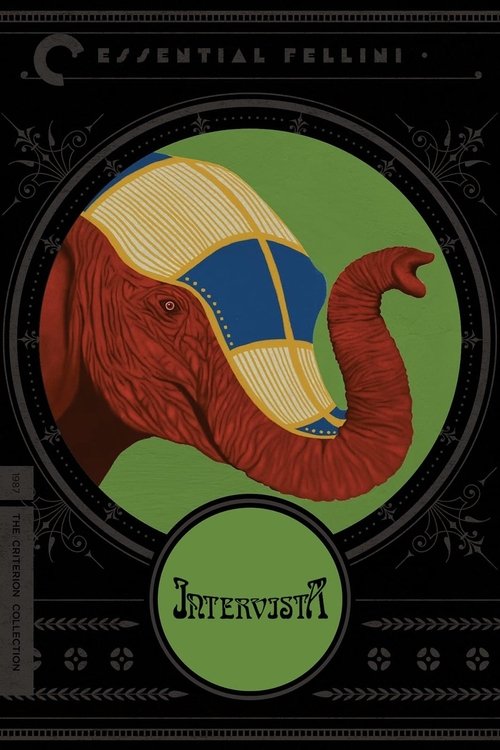
Federico Fellini
Runtime
108 minutes
Average Rating
No ratings yetNew Showbiz Analysis
Intervista succeeds by using a Japanese crew to provide a non-Western perspective on the creative process. However, the film remains focused on the auteur's viewpoint and does not center its narrative on overt identity politics or social issues. While it challenges the concept of the untouchable creator, it does not delve deeply into LGBTQ+ or disability representation. Overall, the film offers a sophisticated, postmodern look at filmmaking that prioritizes situational truth over monolithic storytelling.
Category Breakdown
The film does not explicitly depict non-straight relationships or identities. While it touches on themes of identity fluidity, the main storyline focuses on the commentary of filmmaking rather than on LGBTQ+-centric narratives.
The film emphasizes the male-dominated role of the director, but disrupts traditional hierarchies by placing the director under the scrutiny of an external crew. Women's roles remain tied to the overarching narrative structure.
A Japanese film crew serves as the primary observers, offering a non-Western perspective. This cross-cultural interaction avoids the traditional Western gaze through a globalized cinematic dialogue.
The mockumentary format embraces subjective truth and deconstructs the idea of the 'Great Artist.' It challenges traditional institutional authority by presenting a fragmented, non-linear creative experience.
There is no documented evidence regarding the portrayal of physical or neurodivergent disabilities within the film's narrative.
Present on Screen
Limited or Absent
Official Synopsis
Federico Fellini welcomes us into his world of film making with a mockumentary about his life in film, as a Japanese film crew follows him around.
2007

1972

1969

2018

1989

1980
2011

2011
No reviews yet. Be the first to share your thoughts on this movie!
Use the rating form above to leave a star rating and optional review.