Hunger
2008
No user ratings available yet
Representation score: 4.3 out of 10
Representation Score
Fair
2019
Director
Agnieszka Holland
Runtime
119 minutes
Average Rating
No ratings yetNew Showbiz Analysis
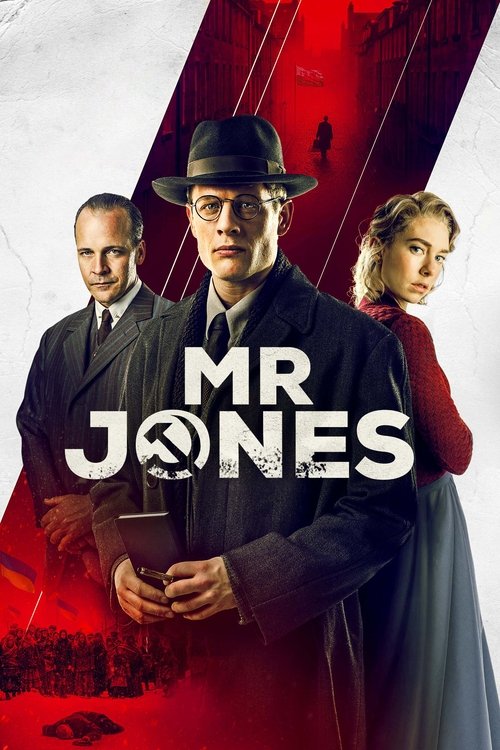
Agnieszka Holland’s film is deeply rooted in historical and political intentions. It prioritizes dismantling state-controlled narratives over modern identity-based representation. By focusing on the systemic victimization of the Ukrainian people, the film challenges imperialistic Soviet control. While the film lacks LGBTQ+ or gender-challenging elements, it excels in its cultural critique. It uses a post-colonial perspective to examine how a dominant state power can orchestrate mass murder through forced collectivization. The film's strength lies in its refusal to accept official propaganda, instead highlighting the truth of the victims. It is a grim, necessary examination of institutional corruption and ethnic devastation.
Category Breakdown
The film does not include LGBTQ+ characters or explore non-straight identities. This absence fits the 1930s setting and the film's focus on the Holodomor famine.
The male protagonist, Gareth Jones, dominates the narrative. Women are central to the suffering but mainly serve as symbols of victimhood rather than political actors.
The film centers the Ukrainian experience, breaking away from a Western-centric viewpoint. It gives significant depth to the Ukrainian peasantry, emphasizing their ethnic identity as a key subject of the devastation.
The narrative offers a strong critique of Soviet totalitarianism and state propaganda. It shows the suppression of religious institutions and the breakdown of traditional family structures under authoritarian rule.
The film portrays the physical toll of starvation and bodily wasting with gravity. These depictions highlight state cruelty but do not provide characters with specific disability-based ability to act.
Present on Screen
Limited or Absent
Official Synopsis
In 1933, Welsh journalist Gareth Jones travels to Ukraine, where he experiences the horrors of a famine. Everywhere he goes he meets henchmen of the Soviet secret service who are determined to prevent news about the catastrophe from getting out. Stalin’s forced collectivisation of agriculture has resulted in misery and ruin—the policy is tantamount to mass murder.
2008
2020
2017
1995

2018

2018

2019
2014
No reviews yet. Be the first to share your thoughts on this movie!
Use the rating form above to leave a star rating and optional review.