
The Rebel, Louise Michel
2010
No user ratings available yet
Representation score: 8.4 out of 10
Representation Score
Limited
1988
Director
Damiano Damiani
Runtime
198 minutes
Average Rating
No ratings yetNew Showbiz Analysis
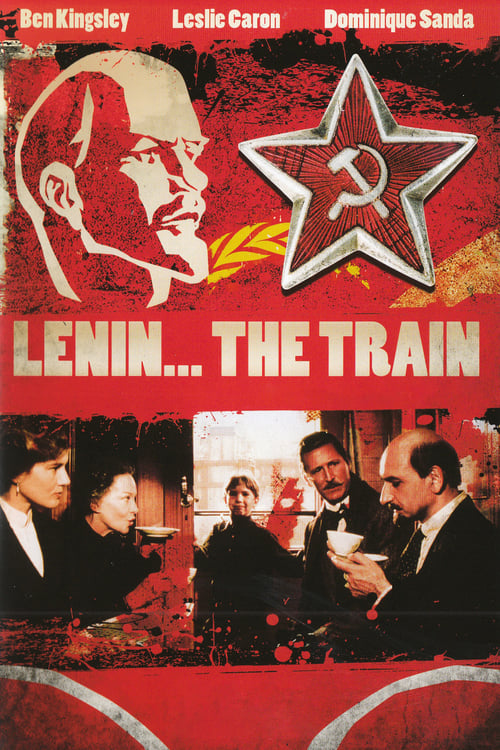
Lenin: The Train is a historical biopic that prioritizes systemic critique over demographic diversity. While it lacks representation for LGBTQ+ individuals, diverse ethnic groups, or women in leadership, it finds its strength in its ideological depth. The film functions as a focused study of a specific European political movement, trading identity-based inclusion for a robust deconstruction of established Western and religious authority. Ultimately, the work's progressive value lies in its portrayal of revolutionary upheaval as a transformative force against the old social order.
Category Breakdown
The film focuses on Lenin's relationship with Inessa and Nadja, adhering to early 20th-century heterosexual norms without any queer subtext or non-traditional gender identities.
Political strategizing and leadership roles are dominated by men. Women appear primarily as supporting figures or emotional anchors, reflecting the traditional gender roles of the time.
The cast is predominantly made up of Slavic actors, reflecting the demographics of the Russian Revolution era. There is no evidence of diverse ethnic inclusion or color-blind casting.
The film effectively critiques Tsarist and capitalist institutions, highlighting the decline of the Russian Orthodox Church in favor of secular revolutionary ideology.
There are no prominent depictions of physical or neurodivergent disabilities that play a key role in the narrative or serve as central character traits.
Present on Screen
Limited or Absent
Official Synopsis
March/April 1917. The first world war is already a couple year to pace. A sealed train with Russian emigrants keeps on driving from Zürich Germany and Sweden to Sint-Petersburg. The outlaws stand under the guidance of Vladimir J. Lenin. Two senior officers support the revolutionary bomb "to ensure that everything runs smoothly. Yet there are some unpleasant clashes between Socialists and enthusiastic workers who are worried about the war. During train travel there comes an end to Lenin's affair with the gracious Inessa, and his wife Nadja is prepared take back him. The triumphant entrance in St. Petersburg will exceed all expectations....
2010
1928
1988
1981

1963
1995
1985
2017
No reviews yet. Be the first to share your thoughts on this movie!
Use the rating form above to leave a star rating and optional review.