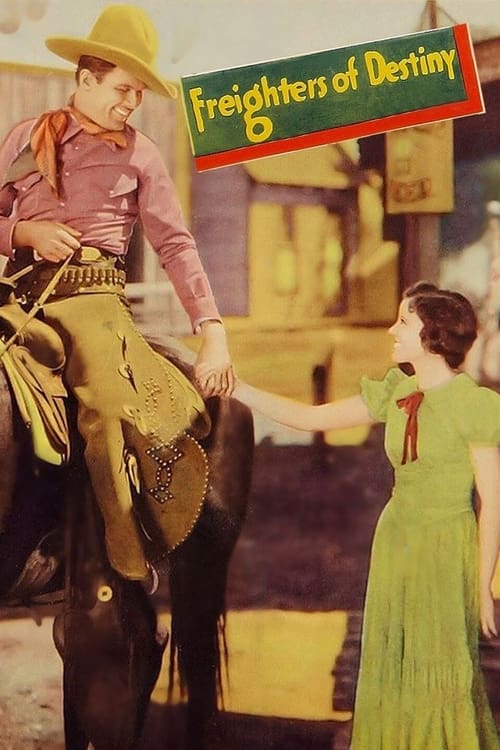
Freighters of Destiny
1931
No user ratings available yet
Representation score: 1.3 out of 10
Representation Score
Minimal
1943
ApprovedDirector
B. Reeves Eason
Runtime
18 minutes
Average Rating
No ratings yetNew Showbiz Analysis
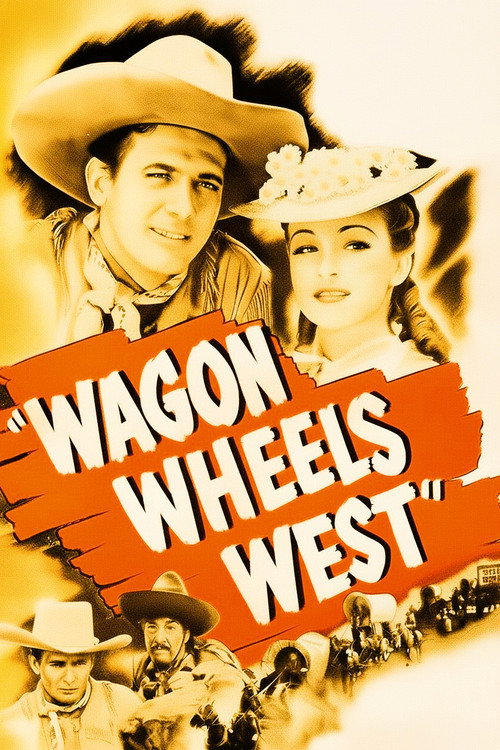
Wagon Wheels West is a classic mid-century Western that follows traditional storytelling patterns. The plot centers on a U.S. Marshal pursuing a personal vendetta. As a product of the 1940s Hollywood system, the film upholds established law-and-order themes. It emphasizes individual justice and masculine archetypes, reinforcing traditional narratives. The work adheres to the social hierarchies and cultural norms of its time, maintaining conventional storytelling structures.
Category Breakdown
The film centers on a male protagonist seeking vengeance. There are no characters with non-cisgender identities or same-sex relationships.
The story revolves around a male U.S. Marshal and a male antagonist. This reinforces traditional gender roles through the archetype of the stoic, male-driven protector.
The film likely reflects typical 1940s depictions of the American frontier. It lacks significant characters of color with real influence or actors cast against type.
The story upholds traditional Western values such as the importance of law and order. It operates within the moral frameworks of 1940s American cinema.
The film focuses on the action and adventure of the Western genre. There are no characters dealing with physical or cognitive disabilities.
Present on Screen
Limited or Absent
Official Synopsis
In this short western, a U.S. marshal seeks vengeance against the man who killed his father.
1931
1956
1935
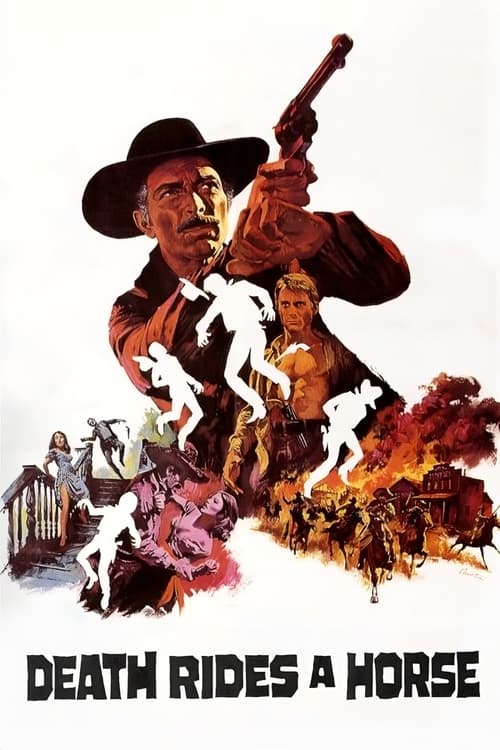
1967

1957
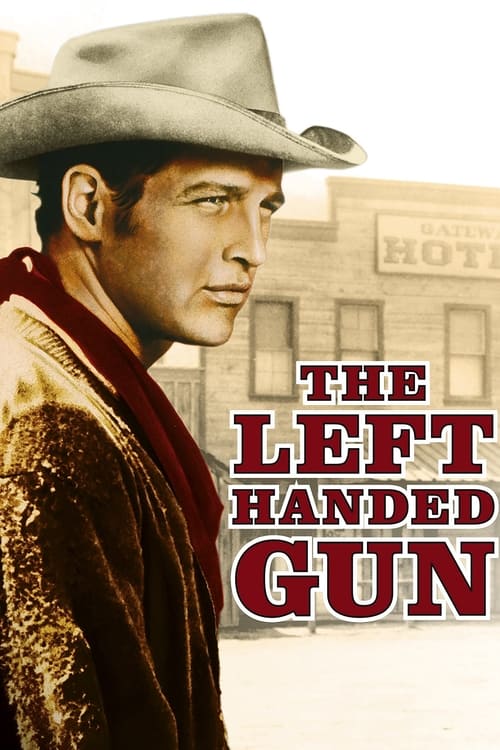
1958
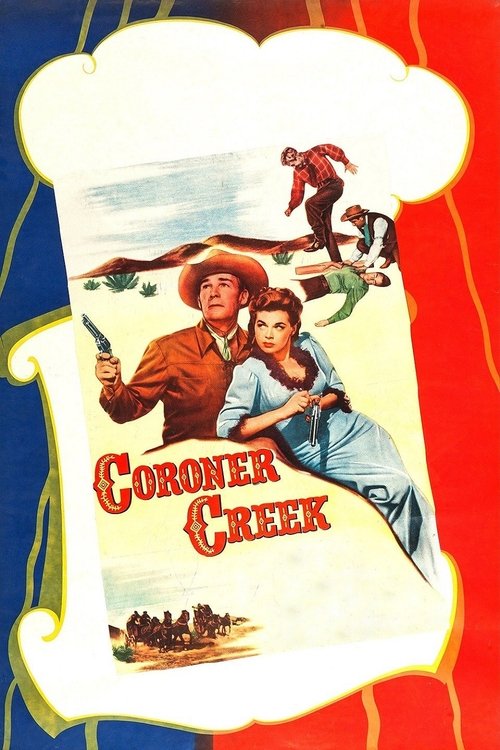
1948
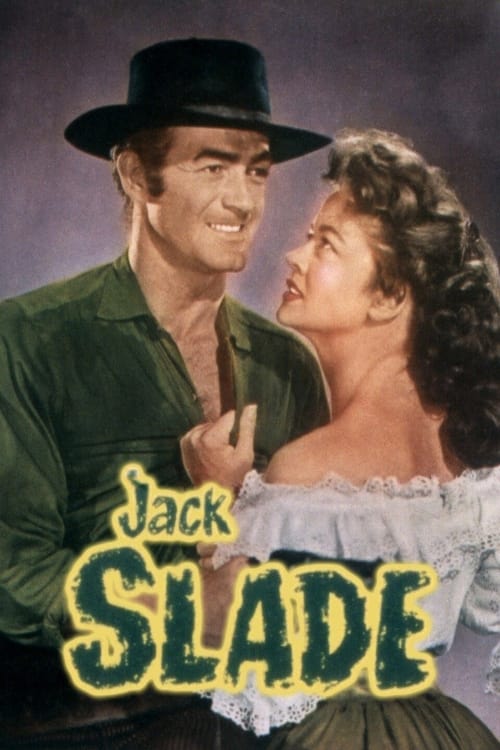
1953
No reviews yet. Be the first to share your thoughts on this movie!
Use the rating form above to leave a star rating and optional review.