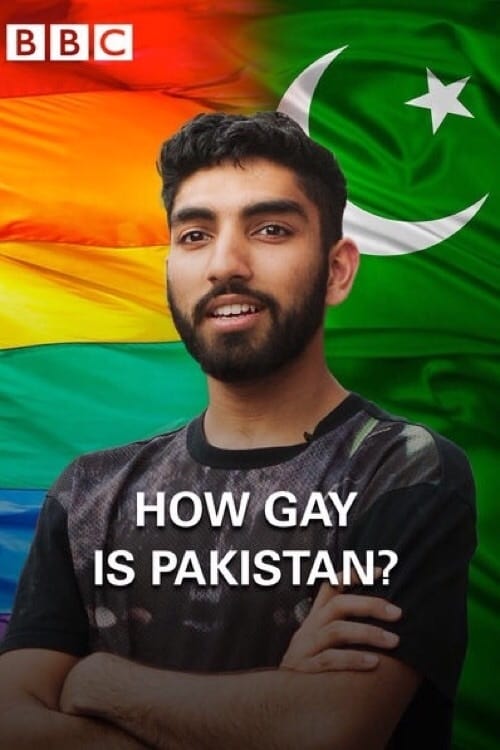
How Gay Is Pakistan?
2015
No user ratings available yet
Representation score: 7.0 out of 10
Representation Score
Good
2012
NRDirector
Katherine Fairfax Wright, Malika Zouhali-Worrall
Runtime
85 minutes
Average Rating
No ratings yetNew Showbiz Analysis
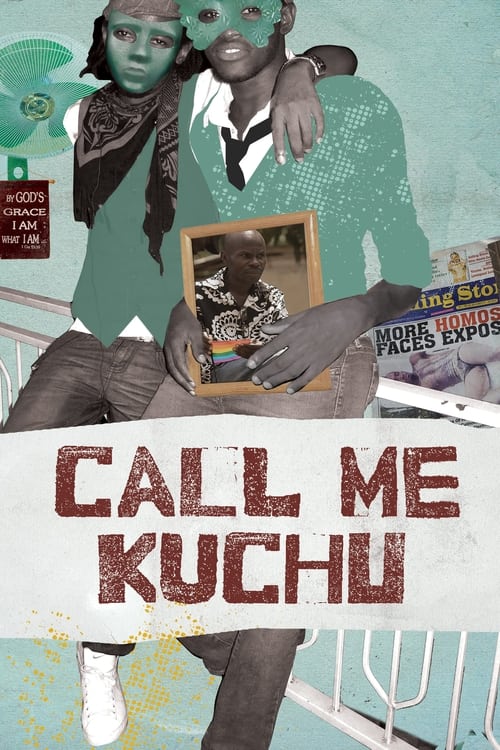
Call Me Kuchu is an outstanding example of storytelling that reflects multiple aspects of identity. It builds its narrative around the lived realities of those at the intersection of racial, geographic, and sexual identity. By focusing on the systemic nature of persecution rather than just individual struggle, the documentary provides a platform for voices that are often silenced. It challenges monolithic depictions of African social structures and institutionalized oppression. Overall, the film offers a nuanced view of identity that questions traditional social hierarchies.
Category Breakdown
The film focuses on the lived experiences of LGBTQ+ individuals in Uganda, providing a deep look into non-traditional gender and sexual identities and the risks they face.
It explores the social consequences of deviating from established gender norms in Uganda, highlighting the tension between personal identity and traditional expectations of masculinity and femininity.
The narrative centers on Black queer identities within a post-colonial context, granting full ability to act to local African protagonists and avoiding Western savior clichés.
The film critiques religious institutions and Western-influenced legal frameworks used to enforce social conformity. It depicts a struggle against dominant, conservative social structures.
There are no specific, sustained depictions of permanent physical or neurodivergent disabilities used as primary character drivers in the film.
Present on Screen
Limited or Absent
Official Synopsis
In Uganda, a new bill threatens to make homosexuality punishable by death. David Kato - Uganda's first openly gay man - and his fellow activists work against the clock to defeat the legislation while combating vicious persecution in their daily lives. But no one, not even the filmmakers, is prepared for the brutal murder that shakes the movement to its core and sends shock waves around the world.
2015
1984
2014

2017

2014
2021
2008
1996
No reviews yet. Be the first to share your thoughts on this movie!
Use the rating form above to leave a star rating and optional review.