
The Death and Life of Marsha P. Johnson
2017
No user ratings available yet
Diversity score: 9.7 out of 10
2012
Director
Dagmar Schultz
Runtime
79 minutes
Average Rating
No ratings yetSynopsis
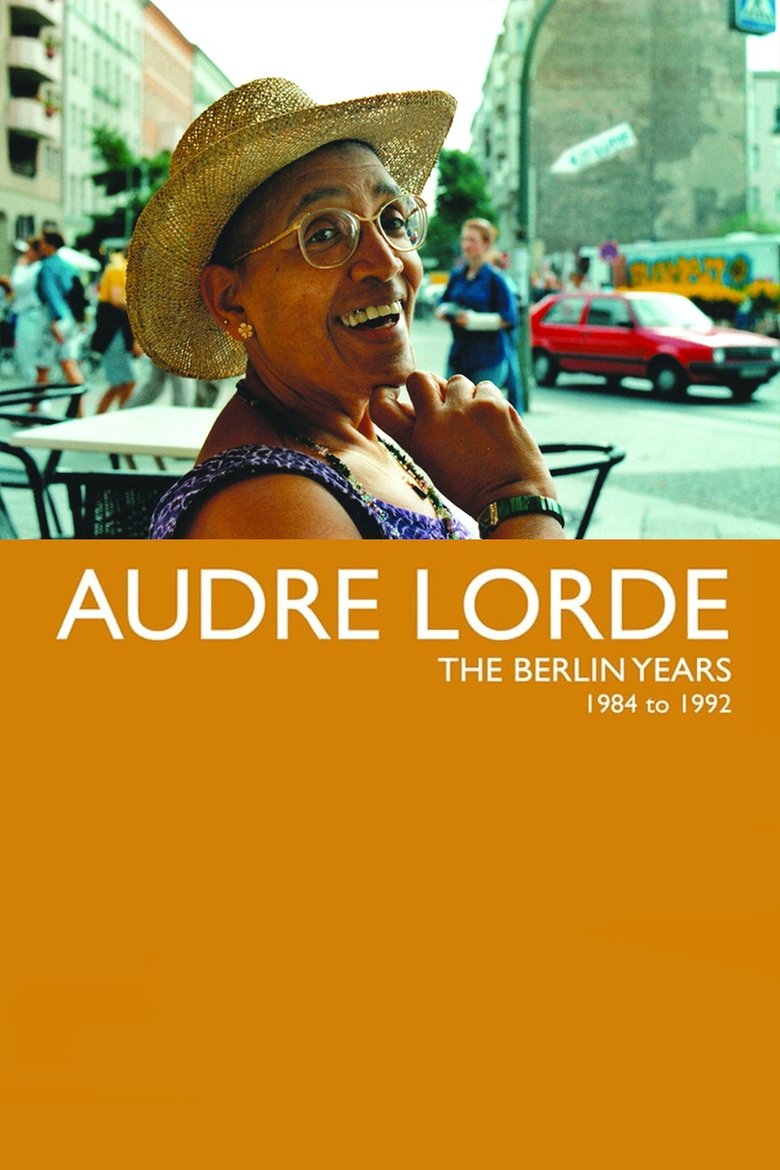
Audre Lorde, the highly influential, award-winning African-American lesbian poet came to live in West-Berlin in the 80s and early '90s. She was the mentor and catalyst who helped ignite the Afro-German movement while she challenged white women to acknowledge and constructively use their privileges. With her active support a whole generation of writers and poets for the first time gave voice to their unique experience as people of color in Germany. This documentary contains previously unreleased audiovisual material from director Dagmar Schultz's archives including stunning images of Audre Lorde off stage. With testimony from Lorde's colleagues and friends the film documents Lorde's lasting legacy in Germany and the impact of her work and personality.
Overall Score
Excellent
Category Breakdown
LGBTQ+ Representation
The film centers lesbian identity as a foundational element of the narrative. It explores queer existence within a European context, treating non-heteronormative lived experience as central to the subject's political agency.
Gender Representation
By focusing on a feminist intellectual, the documentary deconstructs traditional gender hierarchies. It emphasizes female agency within activist spheres and examines how gender intersects with other systemic identities.
Racial & Ethnic Diversity
The documentary provides a profound exploration of the Black diaspora in Europe. It highlights the Afro-German movement and avoids tokenism by presenting the complexities of being a Black expatriate.
Religious & Cultural Diversity
The narrative engages in a sophisticated critique of Western institutional power. It uses Lorde's perspective to examine how systemic racism and sexism are embedded within established societal frameworks.
Disability Representation
There is no specific depiction of physical or neurodivergent disabilities. The film focuses instead on the psychological and political resilience of the subject.
Strengths
Areas for Improvement
AI Analysis
This documentary is a masterclass in intersectional storytelling. Rather than treating diversity as a secondary theme, it uses Audre Lorde’s life to dismantle traditional Western historical narratives. The film successfully weaves together race, sexuality, and gender to create a multi-layered analysis of identity. By documenting the catalyst role Lorde played in the Afro-German movement, the film provides essential historical visibility for the Black diaspora in Europe. It moves beyond simple biography to offer a critical inquiry into systemic power structures. The archival footage and testimonies provide a rich, nuanced portrait of a transformative intellectual. It is a significant contribution to the cinematic documentation of progressive social movements.
2017
2016
1990
2016
2018

2003
1977
2017
2021
2017

2014
2019
No reviews yet. Be the first to share your thoughts on this movie!
Use the rating form above to leave a star rating and optional review.