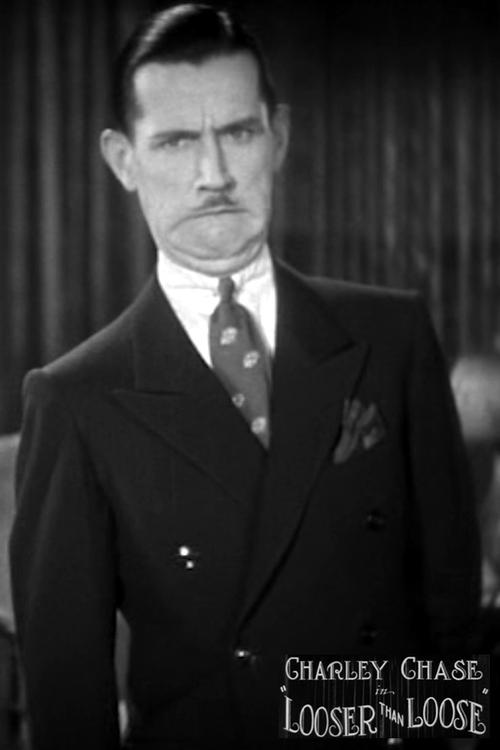
Looser Than Loose
1930
No user ratings available yet
Representation score: 0.8 out of 10
Representation Score
Limited
1930
Director
James W. Horne
Runtime
21 minutes
Average Rating
No ratings yetNew Showbiz Analysis
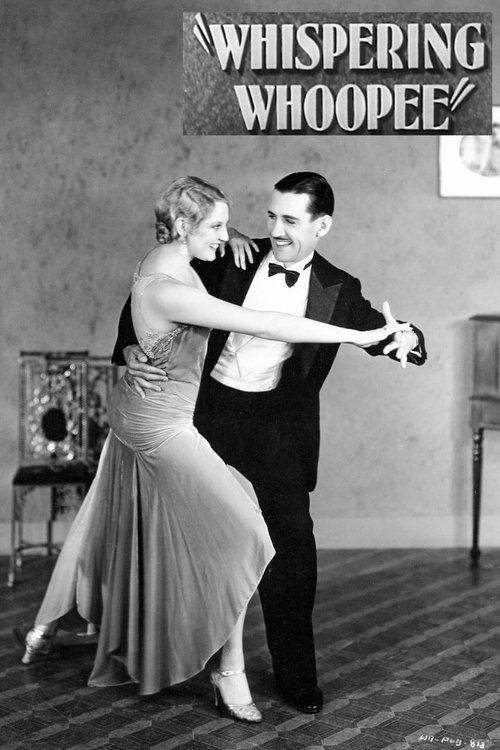
Whispering Whoopee is a product of the early sound era, adhering to the traditional social and narrative structures of 1930s slapstick comedy. The film prioritizes conventional archetypes over any meaningful subversion of systemic norms. The narrative structure relies on a male protagonist using women as tools for professional gain, reinforcing established gender hierarchies. This reflects a period where female characters often lacked independent roles. Overall, the film lacks representation that reflects multiple aspects of identity. It functions as a standard comedic short that mirrors the demographic and social norms of its time rather than challenging them.
Category Breakdown
The film does not include any non-straight or non-cisgender identities or same-sex relationships. The story follows traditional standards that reinforce the idea that everyone is straight and cisgender.
Female characters are portrayed as 'party girls' hired to help a male protagonist's business goals. This setup positions women as secondary helpers used to support male-driven objectives.
The film likely reflects the homogeneous casting typical of early 20th-century American cinema. There is no evidence of diverse casts or actors from different backgrounds.
The plot focuses on social maneuvering to secure a business deal within the conventional capitalist and social frameworks of the 1930s. It does not challenge these norms.
There is no evidence of characters with disabilities being portrayed with real power or control. Slapstick comedies of this era often exaggerated physical humor rather than showing meaningful representation.
Present on Screen
Limited or Absent
Official Synopsis
Charlie hires three "party girls" to help him land a business deal.
1930

1930
1931

1930
1931
1931

1932
1935
No reviews yet. Be the first to share your thoughts on this movie!
Use the rating form above to leave a star rating and optional review.