Scram!
1932
No user ratings available yet
Representation score: 1.4 out of 10
Representation Score
Limited
1934
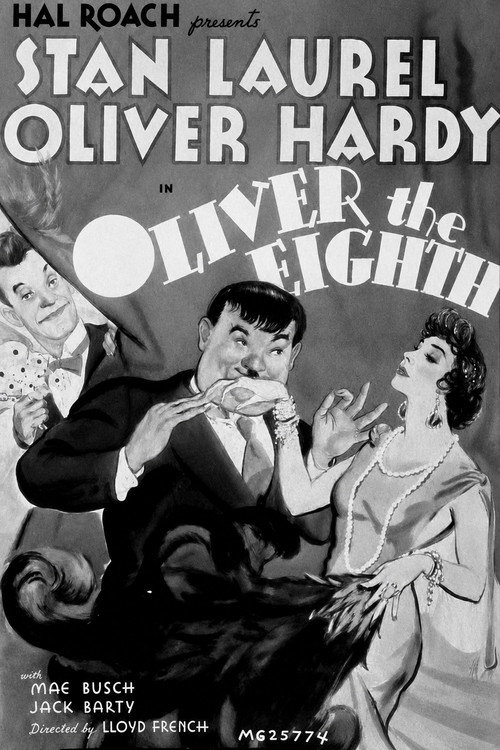
NRDirector
Lloyd French
Runtime
27 minutes
Average Rating
No ratings yetNew Showbiz Analysis
Oliver the Eighth is a period-typical comedy that reinforces conventional social hierarchies. It relies on established archetypes of the 1930s, such as the bumbling male duo and the unstable female lead, to drive its slapstick humor. The film lacks intentionality regarding multi-layered representation. It operates within a narrow, homogeneous social framework that avoids disrupting traditional norms or exploring diverse identities. Ultimately, the work functions as a standard farce of its era, prioritizing situational irony and Gothic suspense over progressive social commentary or meaningful character depth.
Category Breakdown
The film follows a strictly straight-centered structure centered on a widow seeking a husband. No queer subtext or non-assuming gender matches what was assigned at birth identities are present in the narrative.
Gender roles rely on traditional hierarchies and clichés. The female lead is framed through psychological instability, while the male protagonists provide slapstick comedy through bumbling ineptitude.
The story centers on a homogeneous social structure typical of 1934 studio productions. There is no evidence of racial blending or non-white casting within this Western framework.
The narrative adheres to traditional Western storytelling and social norms. It focuses on individual eccentricity and class-based clichés rather than systemic or institutional critiques.
Mental instability is used primarily as a plot device to drive tension. The widow's characterization relies on the 'crazy' cliché rather than nuanced representation of neurodivergence.
Present on Screen
Limited or Absent
Official Synopsis
Barbershop owners Stan and Ollie answer an ad in the newspaper from a wealthy widow looking for a husband. Ollie only mails in his response and is invited to the widow's mansion. Stan discovers his unmailed letter and insists on tagging along. At the mansion, the widow's creepy butler informs them that the woman is crazy. She was once jilted by an Oliver and now her hobby is marrying Olivers and then slitting their throats. Now the boys must figure out how to escape.
1932
1926
1934
1933
1936
1944
1946
1945
No reviews yet. Be the first to share your thoughts on this movie!
Use the rating form above to leave a star rating and optional review.