Microspook
1949
No user ratings available yet
Representation score: 0.8 out of 10
Representation Score
Limited
1946
ApprovedDirector
Edward Bernds
Runtime
17 minutes
Average Rating
No ratings yetNew Showbiz Analysis
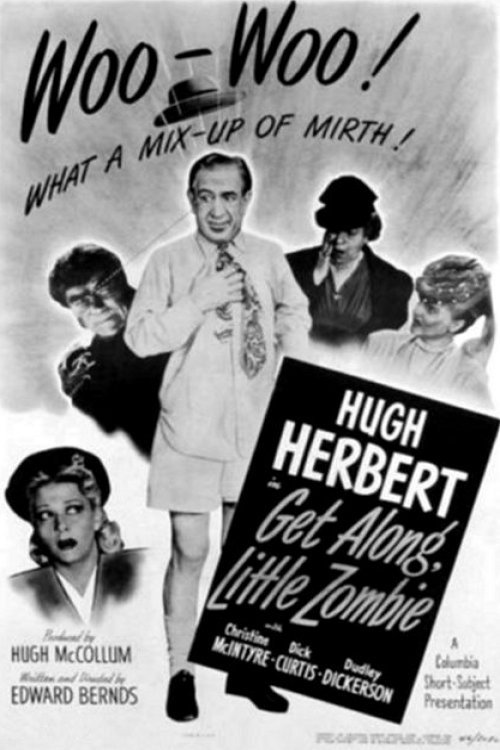
As a 1946 comedy short, *Get Along, Little Zombie* adheres to the cultural norms of its time, prioritizing physical humor over social commentary. The film follows traditional studio-era structures that did not aim to challenge social hierarchies or represent underrepresented groups. Ultimately, the work functions as a brief, conventional farce. It reflects the limited narrative scope and strict censorship standards of the era, offering little in the way of diverse character development.
Category Breakdown
The film doesn't include any depictions of non-straight relationships or gender identities. Its production during the Hays Code era prevented such themes from being included in mainstream comedy.
Male protagonists take center stage in navigating household chaos. The film reflects the traditional gender roles and hierarchies typical of 1940s slapstick comedy.
The story focuses on a local family conflict with a homogeneous cast. There is no evidence of diverse casting or challenging racial stereotypes.
The film operates as light entertainment within traditional Western comedic structures. It avoids engaging with religious or institutional critiques, focusing instead on situational humor.
The 'monster' serves as a slapstick device used purely for laughs. This approach lacks nuanced exploration of disability, often reducing it to a comedic prop.
Present on Screen
Limited or Absent
Official Synopsis
There's a monster running around loose in the house Hugh is showing to two prospective clients.
1949
1948
1948
1964
1941
1954
1943
1926
No reviews yet. Be the first to share your thoughts on this movie!
Use the rating form above to leave a star rating and optional review.