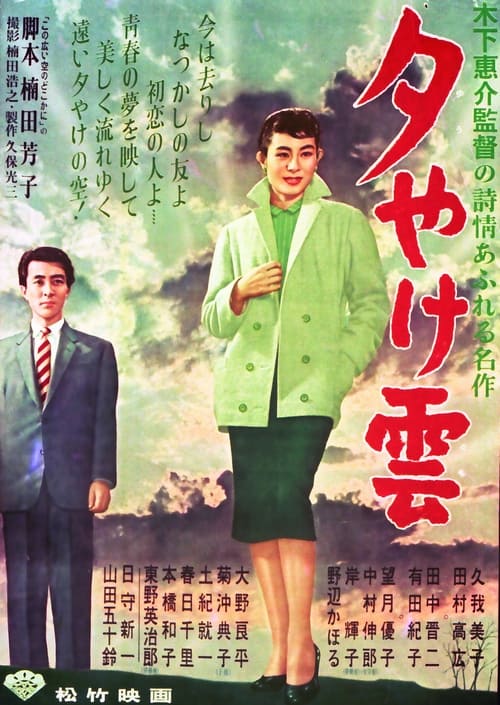
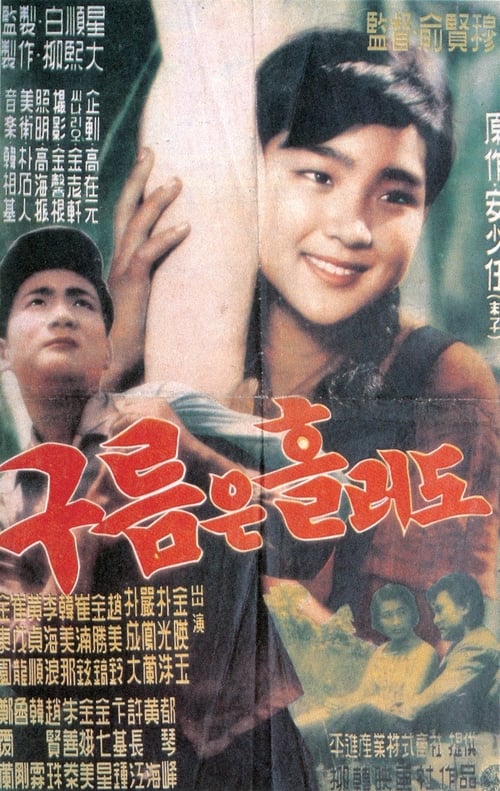
Farewell to Dream
1956
No user ratings available yet
Representation score: 5.4 out of 10
Representation Score
Fair
1959
Director
Yu Hyun-mok
Runtime
94 minutes
Average Rating
No ratings yetNew Showbiz Analysis
Yu Hyun-mok's drama is a masterful exploration of Korean realism, avoiding heroic myths to focus on the economic fragility of the post-war working class. The film excels by centering the lived experiences of underrepresented families facing systemic displacement. While the film does not feature modern identity-based representation, its strength lies in its refusal to romanticize the domestic sphere. It presents the community as an entity constantly reshaped by the volatile forces of capitalism and reconstruction. Ultimately, the film serves as a crucial counter-narrative to sanitized depictions of post-war recovery, emphasizing the breakdown of traditional structures under industrial pressure.
Category Breakdown
The film does not include explicit LGBTQ+ characters or narratives that challenge the assumption that everyone is straight or cisgender. Instead, it emphasizes the survival of the nuclear family and the importance of communal bonds within the working class.
Mal-Suk's private diary entries provide insight into a woman's ability to influence the story. However, most female characters are confined by traditional roles due to extreme poverty.
This domestic production offers a high degree of ethnic authenticity. It centers a non-Western perspective that avoids the typical Western gaze found in mid-century international cinema.
The narrative highlights the instability of the economic system by showcasing systemic failures. It portrays the family as a unit constantly threatened by socioeconomic pressures.
There are no central plot drivers involving physical or neurodivergent disabilities in this work.
Present on Screen
Limited or Absent
Official Synopsis
After the death of Mal-Suk's father, her eldest brother, Dong-suk, becomes the sole breadwinner for his three siblings. With rumors of impending strikes and job cuts at the local mine, the struggling family faces difficulties in providing food and school fees for Mal-Suk and her brother Dong-il. This situation forces the two older siblings to move to Seoul, leaving the younger ones with their neighbors. Mal-Suk's only outlet is in her diary, where she candidly shares her hopes and troubles.
1956

1936
1958

1945
1952

1961

1961

1959
No reviews yet. Be the first to share your thoughts on this movie!
Use the rating form above to leave a star rating and optional review.