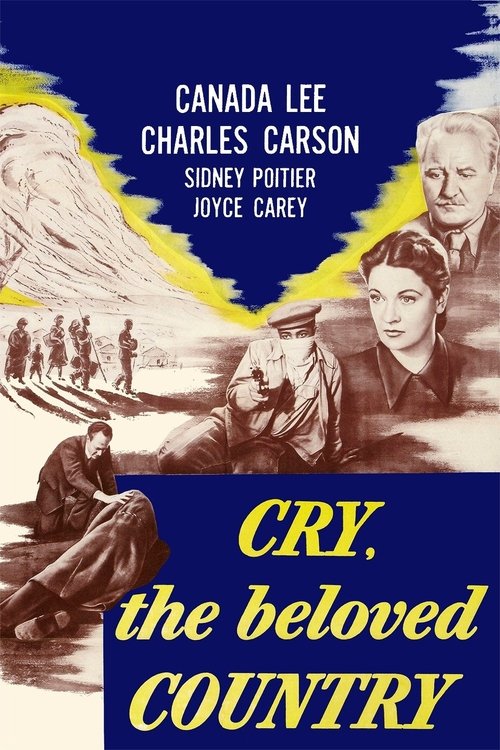
Cry, the Beloved Country
1951
No user ratings available yet
Diversity score: 6.1 out of 10
1988
PG-13Director
Harry Hook
Runtime
95 minutes
Average Rating
No ratings yetSynopsis
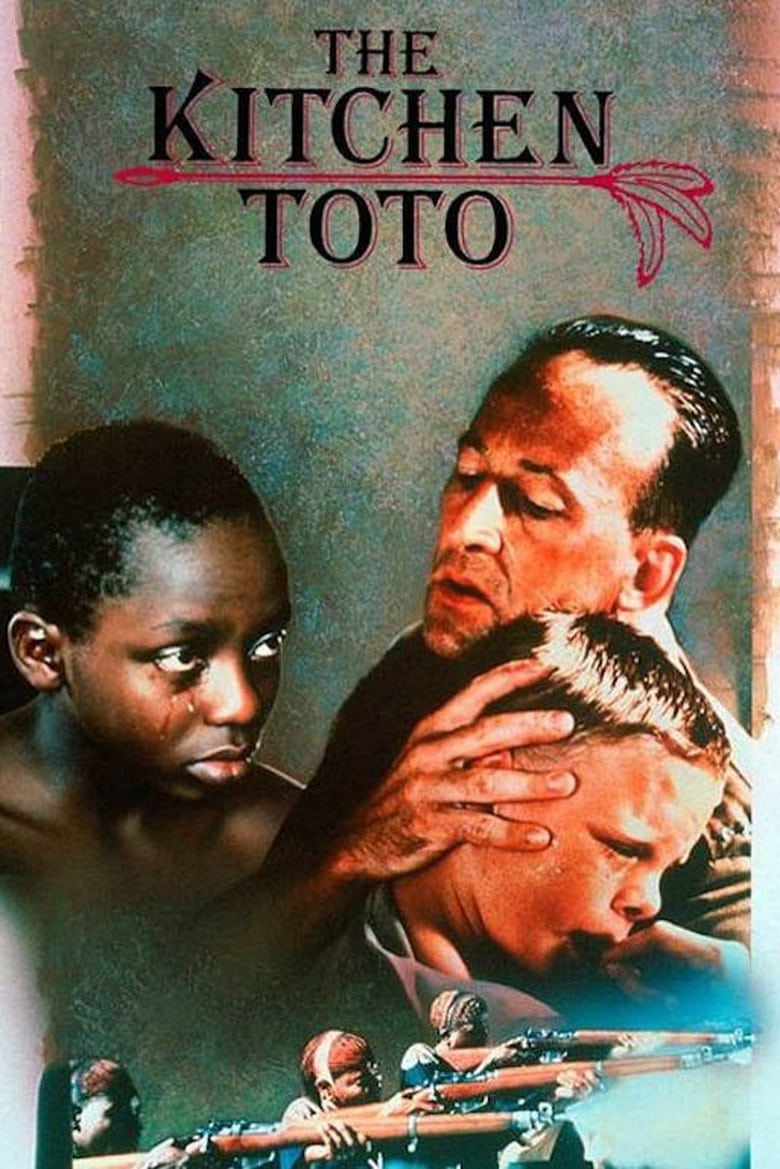
The son of a priest slain by the Mau Mau moves in with a police officer and his wife in 1950 Kenya.
Overall Score
Fair
Category Breakdown
LGBTQ+ Representation
The film lacks LGBTQ+ characters or any exploration of non-heteronormative identities. The narrative focuses exclusively on racial and class hierarchies within the colonial era.
Gender Representation
Female characters are largely confined to the domestic sphere and patriarchal structures. While they offer emotional texture, they lack the agency to challenge the male-driven social order.
Racial & Ethnic Diversity
A predominantly Black cast centers the African experience and explores the complexities of the colonized subject. The film highlights social stratification and the suspicion faced by indigenous populations.
Religious & Cultural Diversity
The story critiques Western hegemony by portraying colonial administrative and religious systems as sources of social friction. It highlights the conflict between institutional justice and local realities.
Disability Representation
There are no prominent depictions of physical or neurodivergent disabilities that serve as central narrative drivers in the film.
Strengths
Areas for Improvement
AI Analysis
The Kitchen Toto succeeds as a critique of colonial authority, using a Kenyan setting to dismantle the myth of imperial stability. By centering the indigenous experience, it provides a nuanced look at racial dynamics and the friction caused by British hegemony. However, the film is limited by its adherence to traditional gender roles. Female characters remain secondary to the male-dominated colonial and religious structures, offering little agency to disrupt the status quo. Ultimately, the film's strength lies in its cultural commentary. It effectively portrays the dehumanizing effects of colonial capitalism and the moral ambiguity of the institutions governing the era.
1951
1991

1997
1995

1986

1978
1989

2014
1993
1980

2017
1948
No reviews yet. Be the first to share your thoughts on this movie!
Use the rating form above to leave a star rating and optional review.