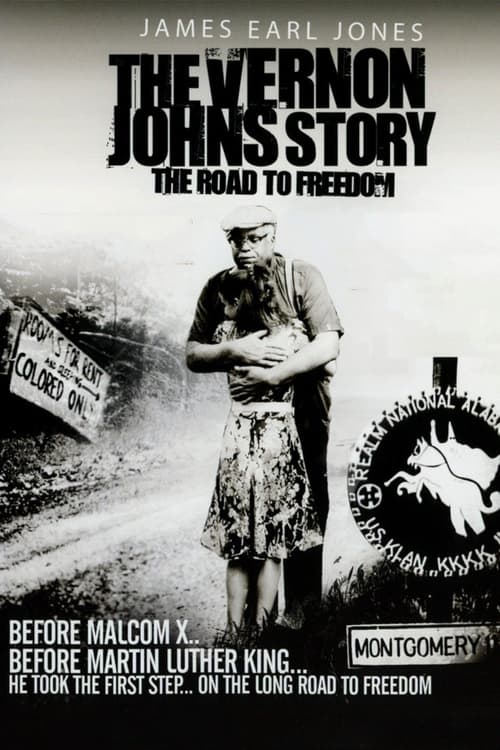
The Vernon Johns Story
1994
No user ratings available yet
Representation score: 4.3 out of 10
Representation Score
Fair
1989
TV-PGDirector
Dick Lowry
Runtime
113 minutes
Average Rating
No ratings yetNew Showbiz Analysis
Unconquered aims to challenge traditional Western narratives by moving away from the 'civilized vs. savage' dichotomy. By presenting the Sioux as a structured, sovereign entity, the film shifts the focus from conquest to cultural negotiation. However, the film remains rooted in traditional genre clichés regarding gender and identity. The narrative is heavily male-centric, focusing on combat and leadership, which limits the scope of its social exploration. Ultimately, the film succeeds in its post-colonial perspective on indigenous sovereignty but falls short in representing LGBTQ+ identities or meaningful depictions of disability.
Category Breakdown
The film does not include any identifiable LGBTQ+ characters or depict non-straight relationships. The story focuses solely on traditional family and tribal structures.
The narrative follows traditional Western hierarchies, dominated almost entirely by male figures. While it avoids some clichéd formulas, it lacks significant roles for women in the main storyline.
The film portrays the Sioux as a sophisticated social and political entity rather than a monolithic stereotype. This depiction challenges typical cinematic representations of indigenous peoples.
The story frames conflict through the lens of territorial defense and sovereignty. It critiques expansionist motives by depicting the struggle for land as a legitimate pursuit.
There is no significant or meaningful depiction of neurodivergence or physical disability. The hardships of frontier life are treated as standard survivalism rather than nuanced character studies.
Present on Screen
Limited or Absent
Official Synopsis
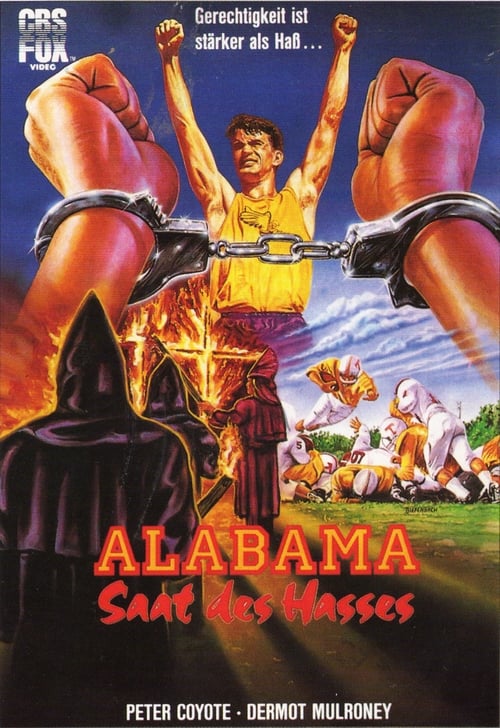
In 1962 in Montgomery, Alabama, State Attorney Richmond Flowers, Sr. is one of few willing to fight racial injustices even if it costs him his family's peace.
1994
1990
2009
1997
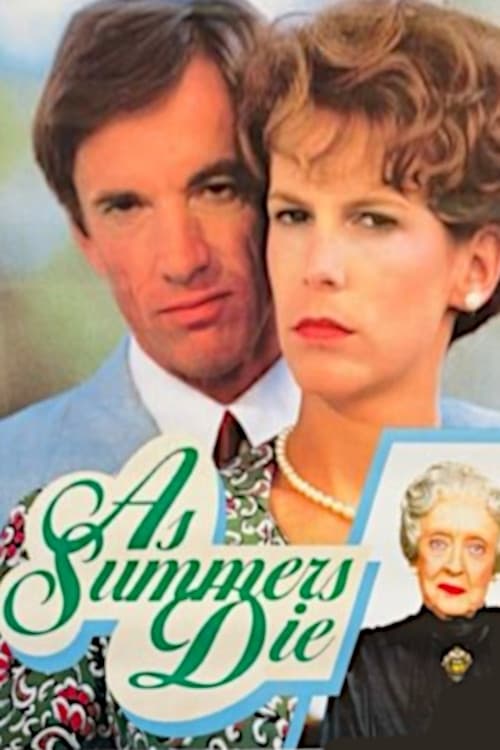
1986
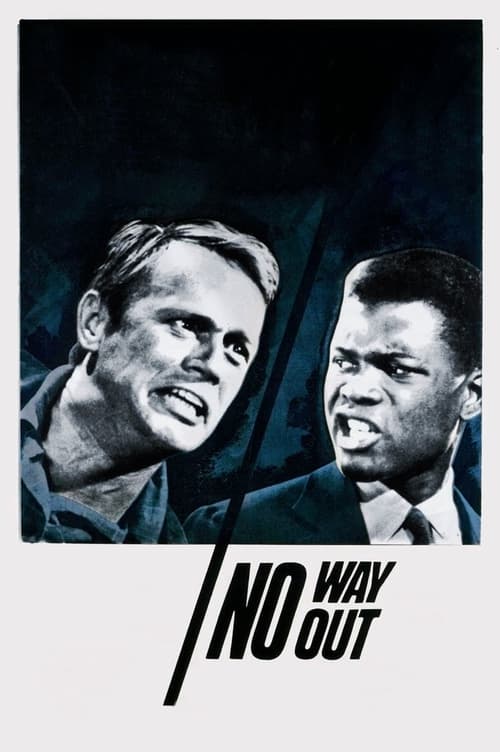
1950
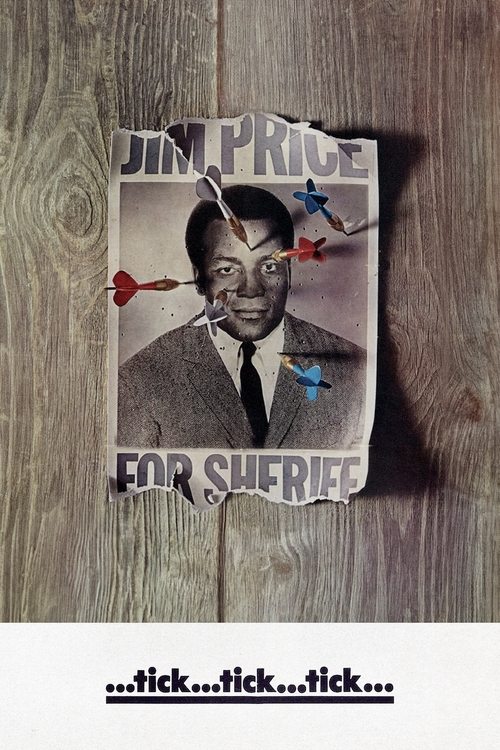
1970
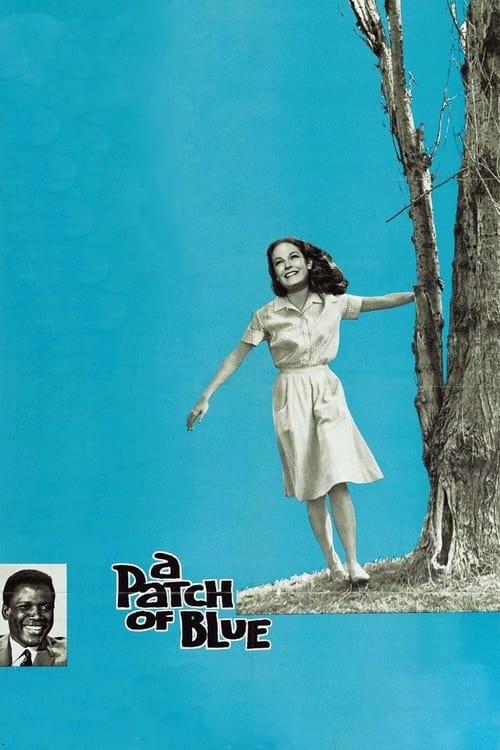
1965
No reviews yet. Be the first to share your thoughts on this movie!
Use the rating form above to leave a star rating and optional review.