A World Apart
1988
No user ratings available yet
Representation score: 4.8 out of 10
Representation Score
Fair
1993
PG-13Director
Morgan Freeman
Runtime
120 minutes
Average Rating
No ratings yetNew Showbiz Analysis
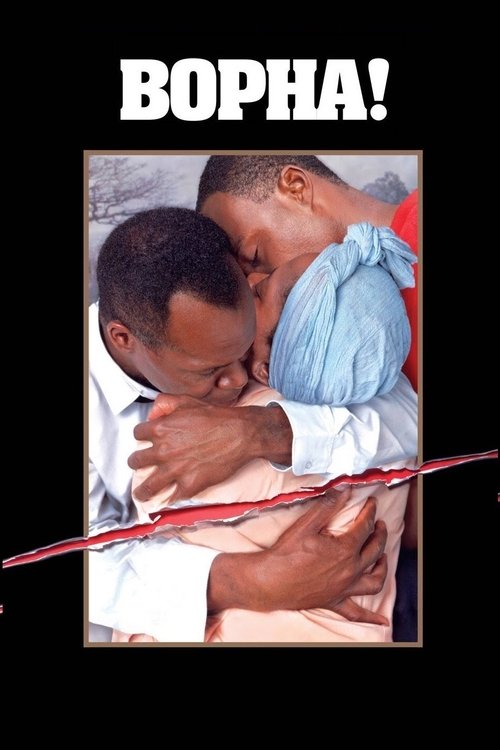
Bopha! is a significant piece of post-colonial cinema that prioritizes localized, identity-driven exploration over Western-centric moral frameworks. Its primary strength lies in its refusal to adhere to conventional heroism, replacing it with a complex study of systemic victimhood. The film achieves high marks for its racial and cultural authenticity, centering the Cambodian experience to avoid an external observer's lens. However, the narrative lacks representation for LGBTQ+ identities and disability-centric arcs, which limits its breadth. Ultimately, the film succeeds as a gritty, realistic portrayal of survival in a destabilized society, even if it remains narrow in its focus on specific underrepresented identities.
Category Breakdown
The film does not include explicit LGBTQ+ characters or non-cisgender identities. It focuses on survival within a straight-centered social structure, offering no specific representation of queer individuals or their experiences.
The story provides a harsh look at gendered power dynamics and economic necessity. It avoids idealized femininity, instead using gritty realism to show how societal hierarchies are weaponized by systemic structures.
The film excels by centering Southeast Asian identities and the Cambodian experience. It avoids the Western perspective, driving the plot through the lived realities of a non-Anglo-Saxon majority.
The narrative engages deeply with post-colonial themes and the collapse of traditional family units. It portrays authority and Western-aligned economic structures with a necessary, systemic skepticism.
There are no specific depictions of visible or invisible disabilities that serve as central plot drivers or character arcs.
Present on Screen
Limited or Absent
Official Synopsis
In this story of a black policeman during South African apartheid, Danny Glover plays the cop, who believes he's trying to help his people, even while serving as a pawn of the racist government. When his son gets involved in the anti-apartheid movement, he finds himself torn between his family and what he believes is his duty.
1988

1989

2001
1990
1988
1987

1989

1965
No reviews yet. Be the first to share your thoughts on this movie!
Use the rating form above to leave a star rating and optional review.