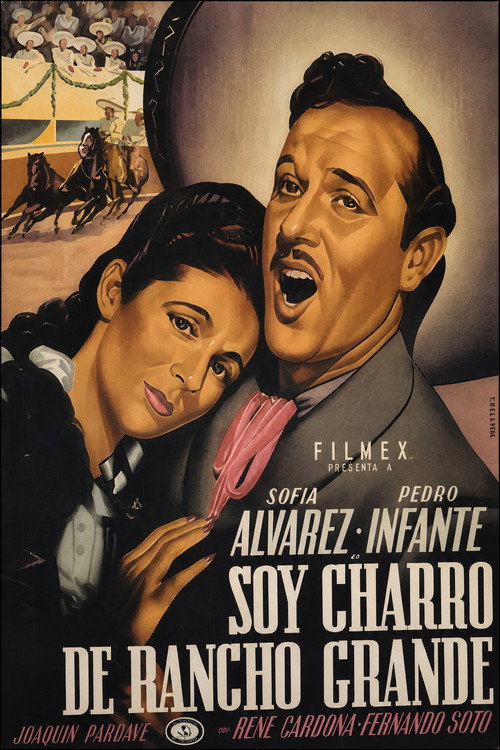
Soy charro de Rancho Grande
1947
No user ratings available yet
Representation score: 0.9 out of 10
Representation Score
Fair
1948
Not RatedDirector
Ismael Rodríguez
Runtime
125 minutes
Average Rating
No ratings yetNew Showbiz Analysis
Ismael Rodríguez uses the melodrama style of the Golden Age of Mexican Cinema to critique systemic inequalities and social divisions. The film succeeds in offering a unique perspective centered on the Mexican working-class experience. However, it is limited by the social norms of its time. It does not represent LGBTQ+ identities or neurodivergent characters, and female roles are often tied to domestic duties. Ultimately, the film's strength lies in its focus on Mexican culture and the struggles of underrepresented communities, even though it doesn't meet modern standards of inclusivity.
Category Breakdown
The film follows traditional romantic archetypes and family structures typical of 1940s Mexico. It does not include any characters with non-traditional gender identities or same-sex relationships.
Female characters such as Celia contribute emotionally but their roles are mostly confined to motherhood and domestic life. The story upholds traditional gender roles without challenging male dominance.
The film provides a strong portrayal of Mexican identity and the mixed heritage experience. Characters of color have significant roles within their cultural context.
The story highlights class disparity by showing the wealthy as disconnected from everyday people. It emphasizes the emotional lives of the poor over the stability of the upper classes.
Disability is not a main theme in this film. There are no characters with disabilities or neurodivergent individuals driving the plot independently.
Present on Screen
Limited or Absent
Official Synopsis
Pepe el Toro is married to Celia la Chorreada and they have two children.
1947

1984

1962

1941
1948
1958
1946
1974
No reviews yet. Be the first to share your thoughts on this movie!
Use the rating form above to leave a star rating and optional review.