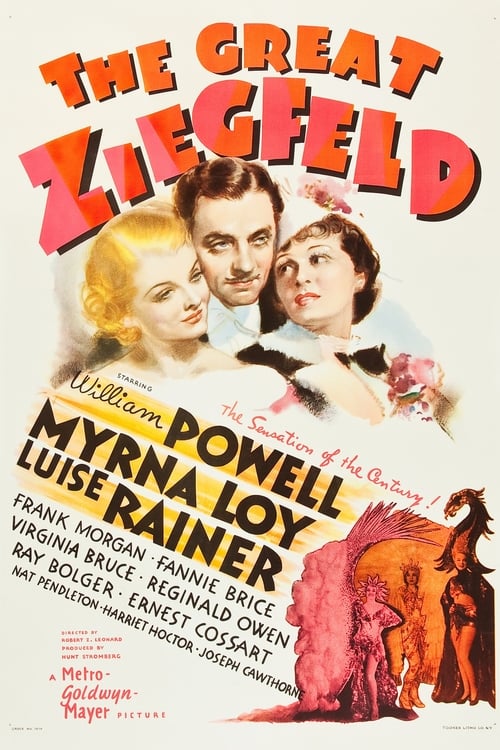
The Great Ziegfeld
1936
No user ratings available yet
Representation score: 0.5 out of 10

Representation Score
Minimal
1954
GDirector
Anthony Mann
Runtime
116 minutes
Average Rating
No ratings yetNew Showbiz Analysis
The film serves as a historical snapshot of mid-century Hollywood, prioritizing a singular, patriotic perspective. It reinforces established social hierarchies rather than exploring the complexities of identity. While set in the jazz era, the film presents a sanitized view of the period, focusing on the protagonist's rise through capitalism and military service, adhering to traditionalist narrative structures. Ultimately, the work functions as a celebration of conventional social stability and Western archetypes, lacking any disruption of mid-century cultural norms.
Category Breakdown
The film follows a strictly straight-centered structure, focusing entirely on the romantic relationship between Miller and his wife, with no representation of LGBTQ+ identities.
Narrative ability to act is concentrated almost exclusively in the male protagonist. Female characters are relegated to supportive, domestic roles that facilitate the lead's professional and military trajectory.
The film presents a homogeneous social landscape centered on a white, Anglo-Saxon cast. It avoids the racial complexities and systemic barriers inherent to the Big Band era.
The story celebrates traditional Western institutions and the American Dream. It emphasizes patriotic duty and individual merit through a lens of institutional respectability.
There are no significant depictions of visible or invisible disabilities within the central narrative arc.
Present on Screen
Limited or Absent
Official Synopsis
A vibrant tribute to one of America's legendary bandleaders, charting Glenn Miller's rise from obscurity and poverty to fame and wealth in the early 1940s.
1936
1942
1968

1954

1977
1952
1956
1948
No reviews yet. Be the first to share your thoughts on this movie!
Use the rating form above to leave a star rating and optional review.