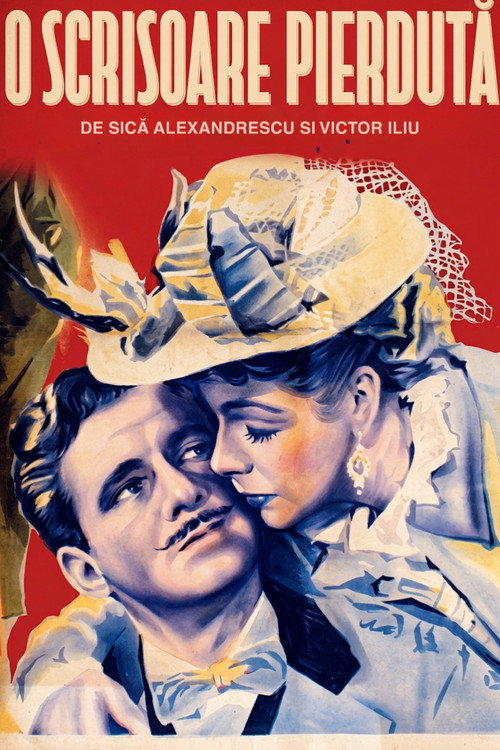
A Lost Letter
1954
No user ratings available yet
Diversity score: 4.0 out of 10
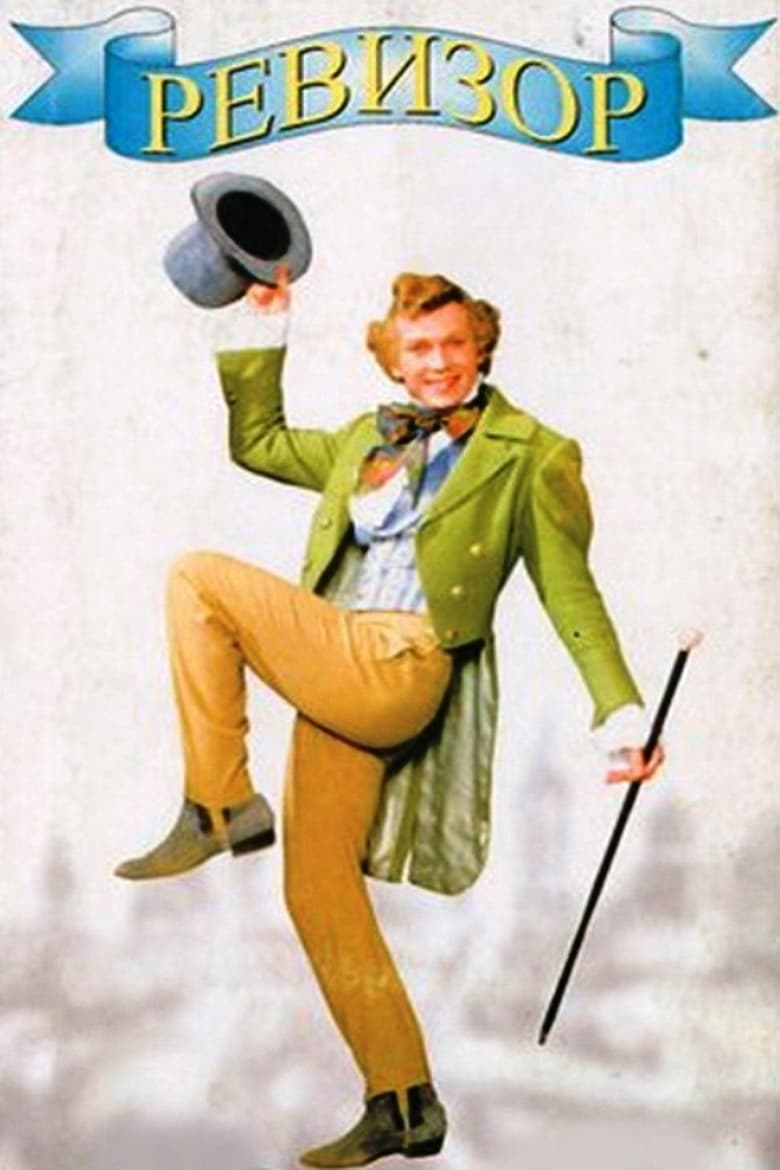
1996
Director
Sergey Gazarov
Average Rating
No ratings yetSynopsis
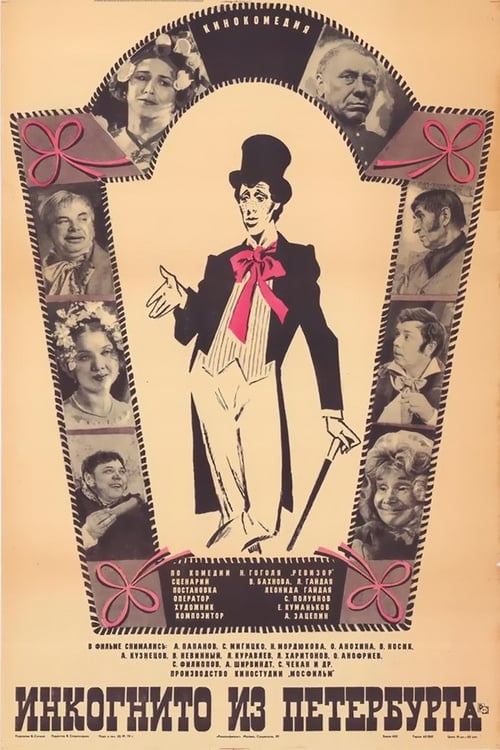
An adaptation of the play by Ukrainian playwright Mykola Gogol, set in Tsarist Russia during the 19th century. A provincial town plagued by bribery, abuse of power, embezzlement, and other corrupt practices. One day, Mayor Skvoznik-Dmukhanovsky summons the town officials and announces that an inspector is on their way.
Overall Score
Fair
Category Breakdown
LGBTQ+ Representation
The film lacks explicit LGBTQ+ characters or narratives. The story focuses on the socio-political dynamics of a Tsarist town, which centers on traditional heteronormative social hierarchies.
Gender Representation
Agency is concentrated among male officials within a male-dominated bureaucracy. While the film critiques power, it largely reflects the traditional gender hierarchies of the 19th century.
Racial & Ethnic Diversity
The cast reflects the demographic homogeneity of 19th-century provincial administration. There is no evidence of intentional intersectional blending or race-bent casting within this adaptation.
Religious & Cultural Diversity
The film excels at deconstructing imperial institutions through satire. It challenges the perceived morality of the state by portraying the Tsarist bureaucracy as inherently corrupt and dysfunctional.
Disability Representation
There is no documented evidence regarding the inclusion or portrayal of characters with physical or neurodivergent disabilities in this production.
Strengths
Areas for Improvement
AI Analysis
Revizorro is a socio-political satire that prioritizes systemic critique over identity-based representation. Its value lies in disrupting institutional authority rather than showcasing demographic variety. The film remains tethered to the traditional demographic compositions of its 19th-century setting. This results in a narrative dominated by a homogeneous group of male officials. While the work successfully deconstructs the corruption of the ruling class, it offers little in the way of modern inclusive storytelling or diverse character perspectives.
1954

1966
1992

1986
1990

2016
1984
1967
1965
1978
1968
1961
No reviews yet. Be the first to share your thoughts on this movie!
Use the rating form above to leave a star rating and optional review.