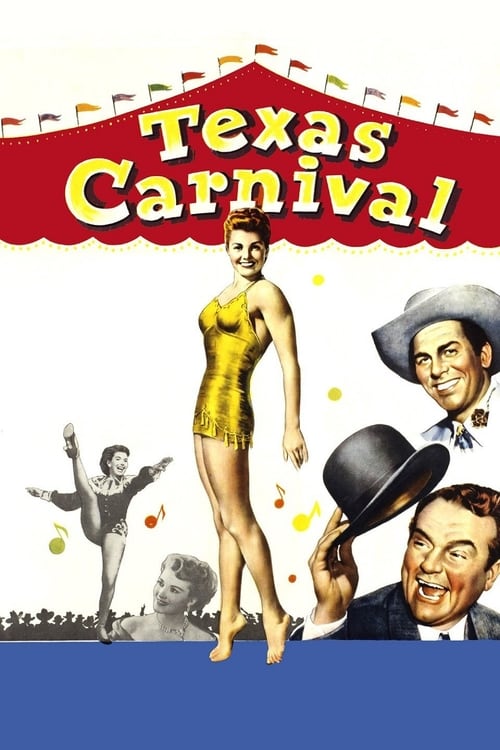
Texas Carnival
1951
No user ratings available yet
Representation score: 1.0 out of 10
Representation Score
Limited
1949
NRDirector
Henry Koster
Runtime
101 minutes
Average Rating
No ratings yetNew Showbiz Analysis
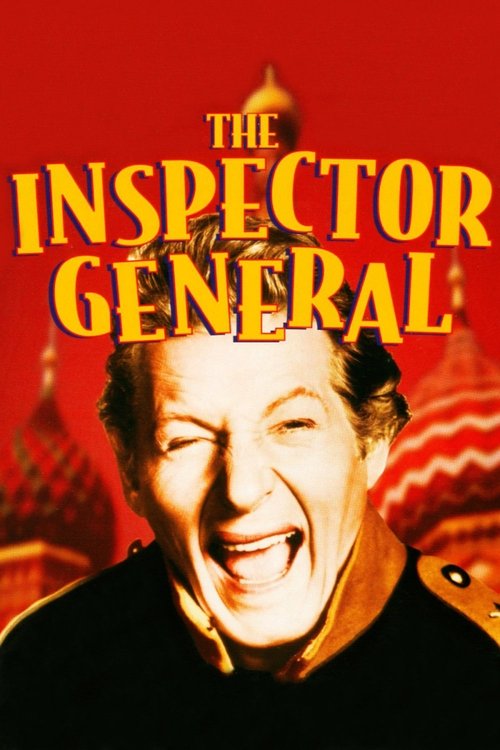
The Inspector General serves as a sharp satire of institutional corruption, using an illiterate outsider to expose the hypocrisy of a predatory ruling class. It effectively disrupts the cliché of the competent authority figure by portraying officials as inept and greedy. However, this critique of power occurs within a very narrow demographic lens. The film adheres to mid-century cinematic conventions, offering little in the way of identity-based representation or social plurality. Ultimately, the film's progressive value lies in its skepticism of bureaucracy rather than its inclusivity. It prioritizes the deconstruction of systemic morality over the representation of diverse lived experiences.
Category Breakdown
The film does not include any LGBTQ+ characters or explore non-straight relationships. The social framework is focused solely on traditional romantic and social structures.
The story is driven by male-centric political maneuvering and conflict. Female characters play supporting roles without taking a leading role in the plot.
The cast is predominantly white, reflecting a homogeneous demographic typical of 19th-century period comedies. There is a lack of racial or ethnic diversity in significant roles.
The film critiques Western institutional integrity by depicting local government as corrupt. It uses satire to challenge the idea of stable, moral civic institutions.
There are no detailed depictions of physical or neurodivergent disabilities. The protagonist's illiteracy highlights socioeconomic issues rather than exploring disability.
Present on Screen
Limited or Absent
Official Synopsis
An illiterate stooge in a traveling medicine show wanders into a strange town and is picked up on a vagrancy charge. The town's corrupt officials mistake him for the inspector general whom they think is traveling in disguise. Fearing he will discover they've been pocketing tax money, they make several bungled attempts to kill him.
1951
1966
1952
1932
1949

1963

1957

1962
No reviews yet. Be the first to share your thoughts on this movie!
Use the rating form above to leave a star rating and optional review.