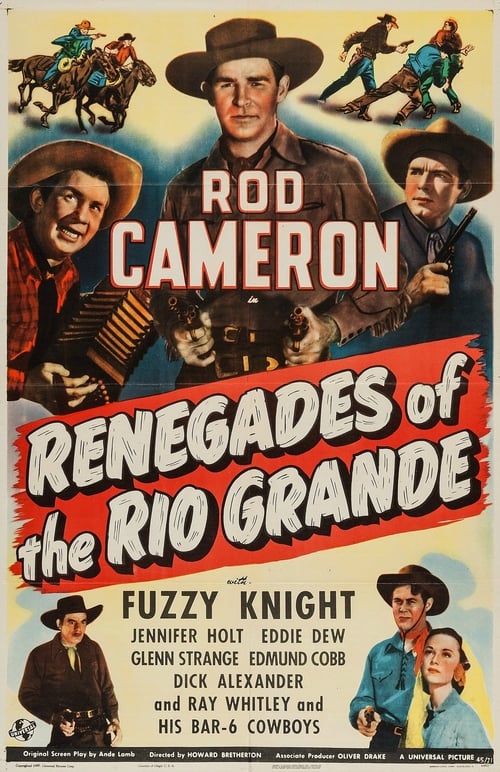
Renegades of the Rio Grande
1945
No user ratings available yet
Representation score: 1.3 out of 10
Representation Score
Minimal
1950
ApprovedDirector
William Berke
Runtime
59 minutes
Average Rating
No ratings yetNew Showbiz Analysis
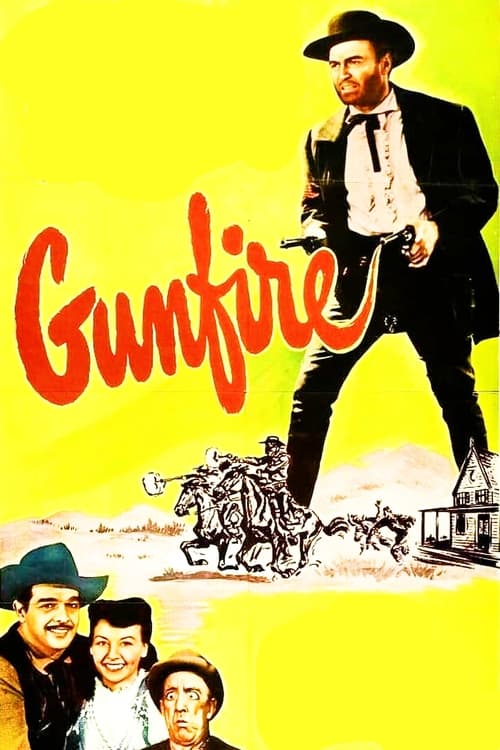
Gunfire is a conventional mid-century Western that emphasizes individual moral redemption over social complexity. The narrative focuses on a reformed outlaw's struggle with identity, a theme that remains within established genre boundaries. The film reinforces the social and cultural hierarchies of 1950. It lacks intentionality in challenging clichés, instead relying on standard gender roles, racial homogeneity, and traditional religious frameworks to drive its story.
Category Breakdown
The film does not include any LGBTQ+ characters or narratives. It follows the standard heterosexual norms typical of its time.
Gender roles adhere to traditional hierarchies where male characters drive the action. Female characters play supporting roles without significant influence.
The production mirrors the demographic homogeneity of 1950s mainstream cinema. It lacks diverse ethnic representation or multi-ethnic social dynamics.
The story centers on traditional Christian morality and individual redemption. It reinforces established social orders through the protagonist's religious transformation.
The protagonist's tuberculosis functions solely as a plot device for his retirement. It does not explore the lived experience or ability to act of living with a disability.
Present on Screen
Limited or Absent
Official Synopsis
Tubercular Frank James has become a born again and retired from his career as an outlaw with his family but a look-a-like outlaw causes suspicion to fall back on him.
1945
1959

1944

1939
1950
1958
1943
1950
No reviews yet. Be the first to share your thoughts on this movie!
Use the rating form above to leave a star rating and optional review.