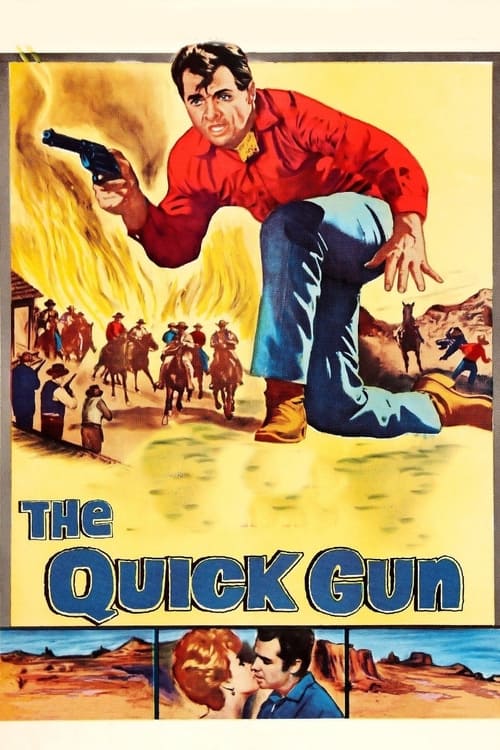
The Quick Gun
1964
No user ratings available yet
Representation score: 1.3 out of 10
Representation Score
Limited
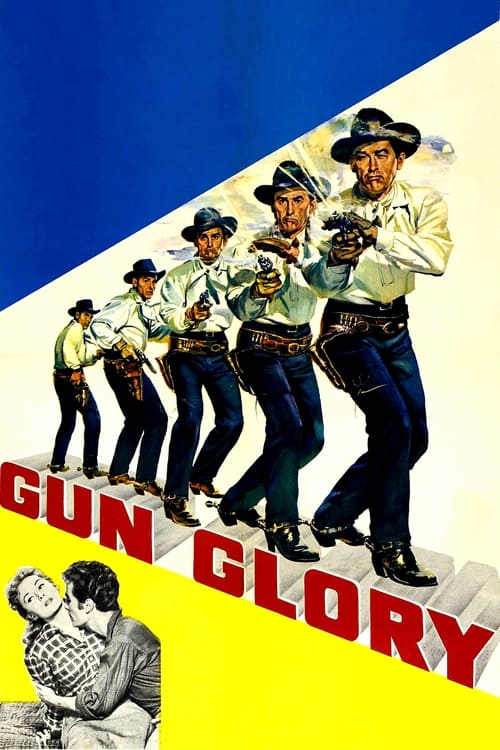
1957
NRDirector
Roy Rowland
Runtime
89 minutes
Average Rating
No ratings yetNew Showbiz Analysis
Gun Glory is a classic mid-century Western that prioritizes traditional storytelling over challenging social norms. The narrative focuses on individual heroism and frontier stability, adhering to the rigid social structures common in 1950s studio productions. The film reinforces traditional realism and values without addressing diverse identities.
Category Breakdown
The film does not include any LGBTQ+ characters or expressions that go beyond the assumption that everyone is straight or cisgender. It follows a strictly straight-centered framework typical of 1950s Western cinema.
The male protagonist plays a leading role in driving the story, while women have minor roles that align with mid-century stereotypes of domesticity or passivity.
The cast is predominantly white, with a focus on a white protagonist and an Anglo-Saxon social structure. There are no characters of color with significant roles in the narrative.
The story follows a conventional Western moral framework centered on frontier justice. It emphasizes the importance of social order through a standard perspective.
The film does not depict any characters with physical, sensory, or neurodivergent disabilities. Characters are defined by the physical demands of the Western genre.
Present on Screen
Limited or Absent
Official Synopsis
An ex-gunslinger returns home; shunned by townsfolk he is the only one who knows how to stop a ruthless cattleman from driving his herd through their town.
1964
1959
1955
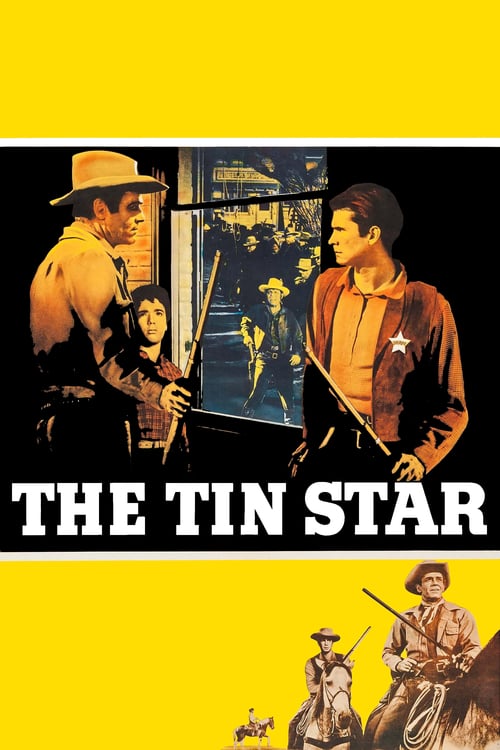
1957

1959
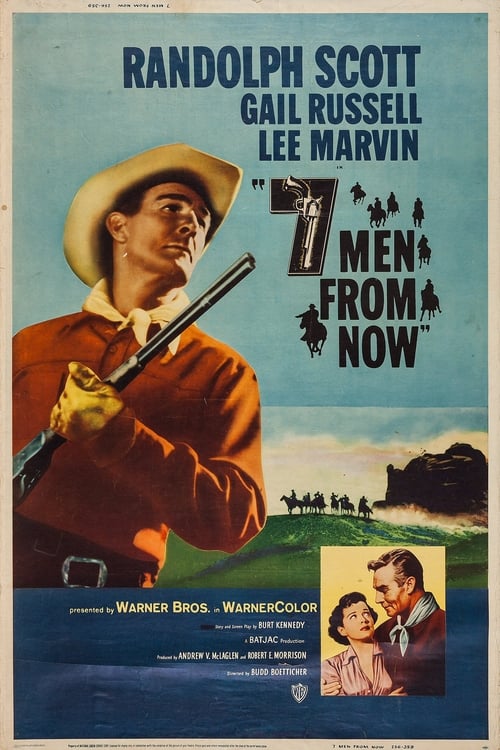
1956
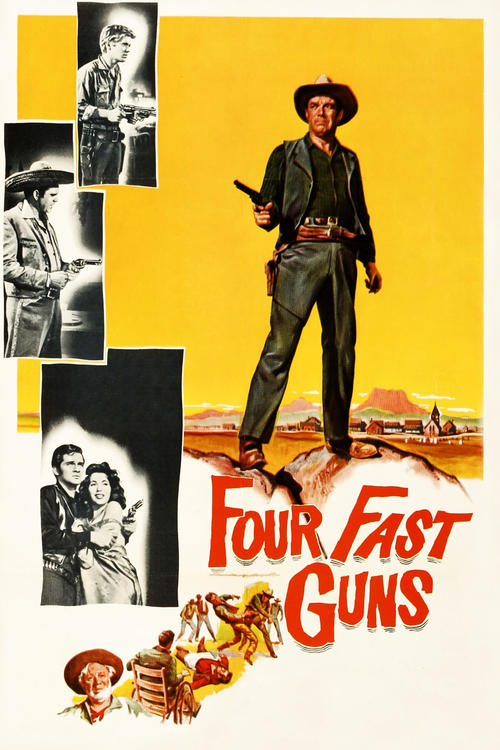
1960
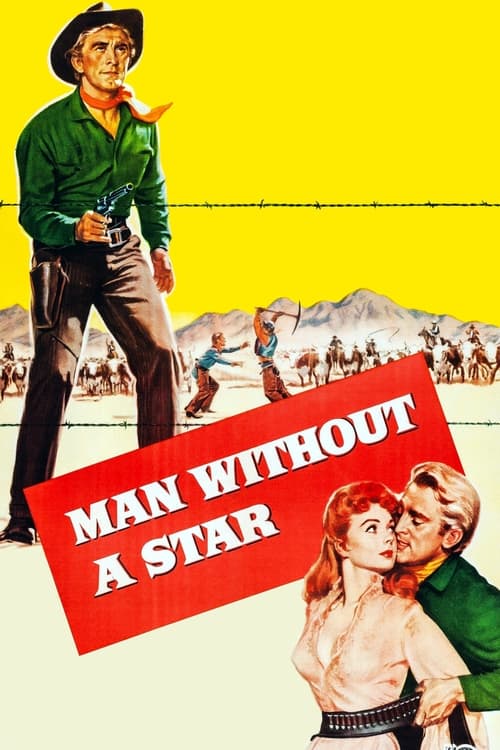
1955
No reviews yet. Be the first to share your thoughts on this movie!
Use the rating form above to leave a star rating and optional review.