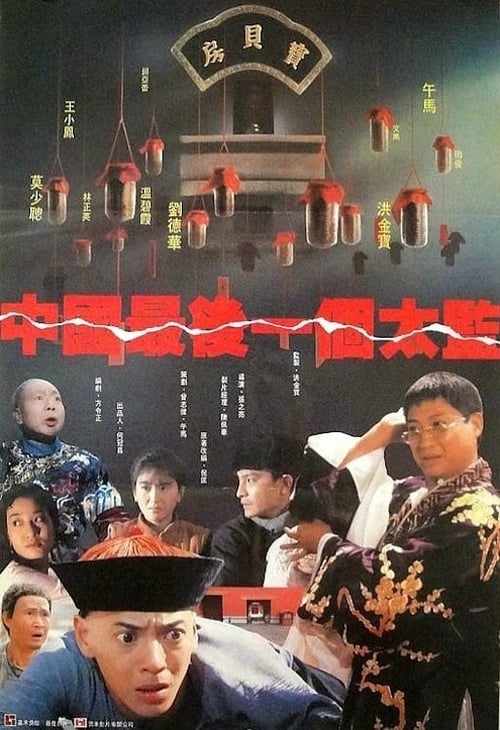
Last Eunuch In China
1987
No user ratings available yet
Representation score: 9.2 out of 10
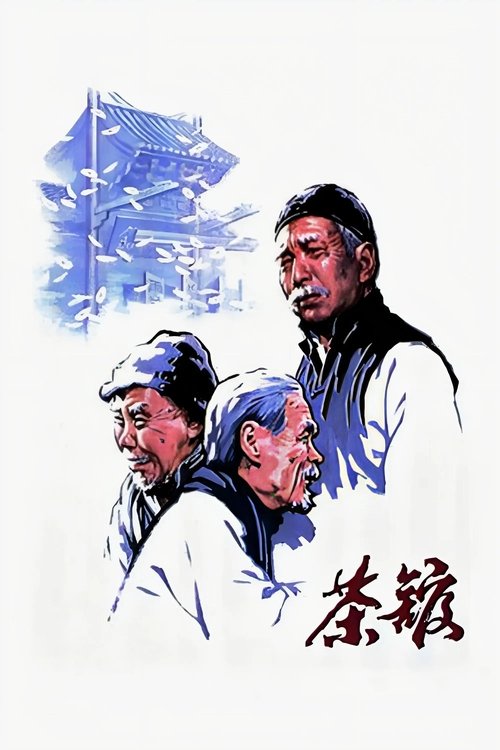
Representation Score
Excellent
1982
Director
Tian Xie, Jiao Juyin, Xia Chun
Runtime
126 minutes
Average Rating
No ratings yetNew Showbiz Analysis
Teahouse is a powerful historical narrative that centers the Chinese experience, effectively challenging Western-centric storytelling through a localized perspective. The film uses a communal setting to critique institutional decay and shifting power dynamics over decades. However, it lacks visible representation for LGBTQ+ identities and individuals with disabilities. While the film moves away from traditional submissive gender roles, it primarily focuses on broader societal and political shifts.
Category Breakdown
The film focuses on broad changes in Chinese society throughout history. There is no direct mention of non-straight identities or criticism of the assumption that everyone is straight.
Women are positioned within broader socio-political struggles rather than being confined to domestic roles. The plot follows the subversion of patriarchal hierarchies during periods of intense political upheaval.
The story centers on the Chinese experience, offering a localized perspective that counters Western-centric historical narratives. Characters have significant influence within a non-Anglo-Saxon context.
The film critiques traditional institutions and old-world hierarchies. It uses a teahouse setting to explore societal decline and major shifts over time.
There is no depiction of characters with visible or invisible disabilities. The absence of such representation leads to a lower score.
Present on Screen
Limited or Absent
Official Synopsis
An old teahouse in Beijing serves as the stage for a drama that unfolds over several tumultuous decades of modern Chinese history, from the waning days of the Qing dynasty to the eve of the People's Republic.
1987
1989

2001

2017

1983

1987
1986

2013
No reviews yet. Be the first to share your thoughts on this movie!
Use the rating form above to leave a star rating and optional review.