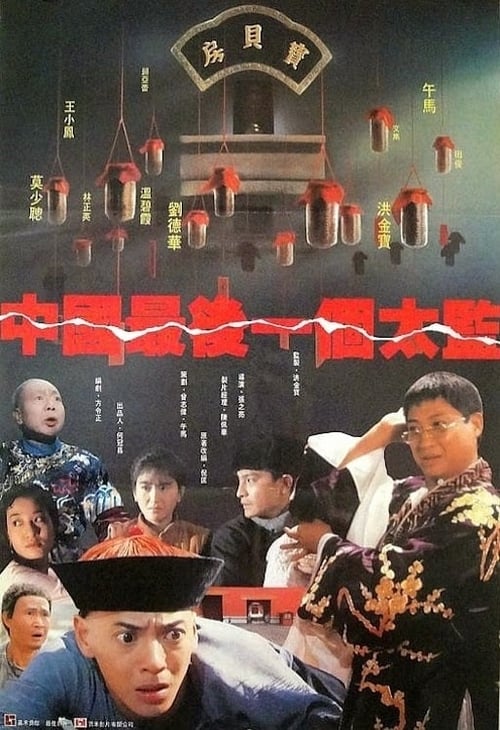
Last Eunuch In China
1987
No user ratings available yet
Representation score: 9.2 out of 10
Representation Score
Good
1992
Director
Wang Tung
Runtime
175 minutes
Average Rating
No ratings yetNew Showbiz Analysis
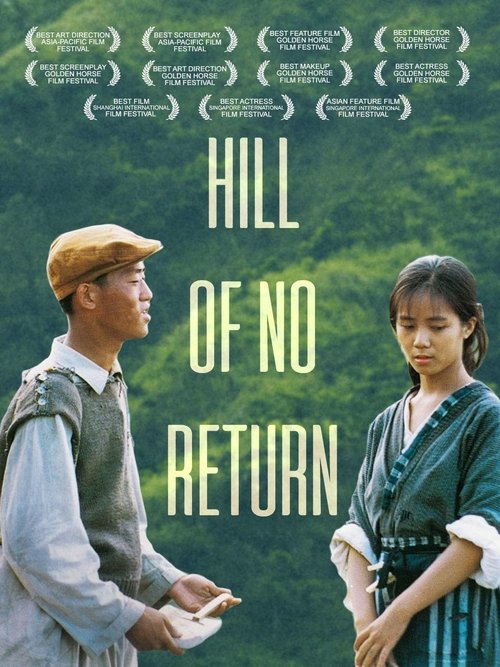
Hill of No Return is a character-driven historical drama that centers on underrepresented female experiences. By focusing on Jou’s struggle for autonomy, the film challenges traditional social hierarchies and examines the complexities of womanhood within a restrictive society. The film benefits from its specific historical setting in 1920s Taiwan, offering a non-Western perspective on colonial power dynamics and ethnic identity. However, the film lacks representation of LGBTQ+ identities and provides limited evidence of neurodivergent characters. While Fumiko’s illness introduces themes of mortality, the depth of the narrative regarding physical disability remains uncertain.
Category Breakdown
The film focuses on traditional romantic relationships between Jou and Che. There are no characters explicitly identified as LGBTQ+ or non-straight-centered.
The film highlights Jou's journey as a woman seeking independence and control over her life. Her story emphasizes her autonomy rather than submitting to traditional feminine roles.
Set in 1920s Taiwan, the film addresses colonial history and ethnic identity. It presents a non-Western perspective by focusing on local characters and regional power structures.
The story explores systemic hardships and the quest for personal freedom. It delves into subjective morality through characters fighting against societal and institutional constraints.
Fumiko is introduced as a young woman nearing death. It is unclear whether her condition is used as a deep character study or simply as a plot device.
Present on Screen
Limited or Absent
Official Synopsis
In 1920s Taiwan, Jou, a controversial woman with a tragic past, seeks to change her life after falling for a man named Che. Meanwhile, a man named Wei seeks to buy the freedom of Fumiko, a dying young woman.
1987
1989
1994
1953

1983

1974

2015

2017
No reviews yet. Be the first to share your thoughts on this movie!
Use the rating form above to leave a star rating and optional review.