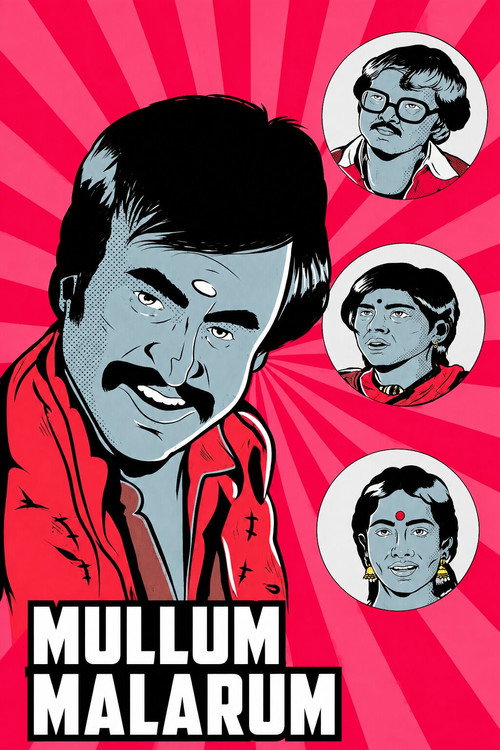
Mullum Malarum
1978
No user ratings available yet
Representation score: 4.2 out of 10
Representation Score
Fair
1985
Director
Bharathiraja
Runtime
160 minutes
Average Rating
No ratings yetNew Showbiz Analysis
Bharathiraja’s film works as a realistic portrayal of village life that challenges traditional hierarchies. It is most impactful when it overturns stereotypes, especially regarding the empowerment of underrepresented women and the critique of rigid social structures. While the film adheres to traditional gender roles, it is progressive in highlighting the systemic oppression faced by married women and widows. It supports individual ability to act against the backdrop of societal expectations. However, the film does not include LGBTQ+ characters or explore disabilities, which limits its range of diversity.
Category Breakdown
The film does not include any LGBTQ+ characters or explore non-straight relationships. The main storyline is based on traditional heterosexual norms.
The film challenges traditional gender roles by showing a widow's emotional independence and freedom to make her own decisions. It also questions the ideal of a patriarchal family by depicting marriage as a place where emotions are stagnant.
Set in rural Tamil Nadu, the film looks at social hierarchies within the community through the lens of the caste system. It highlights the tension between personal desires and the rigid structure of village life.
The film uses moral relativism to criticize oppressive communal institutions and traditional religious norms. It emphasizes individual emotional truth over established social rules and virtues.
There are no physical or neurodivergent disabilities that play a central role in the story.
Present on Screen
Limited or Absent
Official Synopsis
A middle-aged upper-caste man, Malaichami, leads an unhappy married life but seeks comfort in a new friendship with a low-caste woman. However, their friendship leads to many rumours in their village.
1978
1989
1986

2005

1977
1989
1994
1985
No reviews yet. Be the first to share your thoughts on this movie!
Use the rating form above to leave a star rating and optional review.