
Bobby
1973
No user ratings available yet
Representation score: 4.4 out of 10

Representation Score
Good
1995
Not RatedDirector
Mansoor Khan
Runtime
160 minutes
Average Rating
No ratings yetNew Showbiz Analysis
Akele Hum Akele Tum offers a progressive shift from typical domestic melodramas by challenging the idealized nuclear family structure. It gains depth through its nuanced portrayal of class and the subversion of traditional patriarchal hierarchies. The film excels by highlighting female resilience and ability to act while offering a realistic view of how career-driven lifestyles affect family stability. However, the film lacks representation of LGBTQ+ identities and specific disability narratives, which limits its overall inclusivity. The film's success lies in its critique of socioeconomic and gendered issues, yet it falls short in fully representing diverse communities.
Category Breakdown
The film follows a strictly heterosexual and cisgender romantic and parental storyline. There are no representations of non-straight or non-cisgender identities or same-sex relationships.
Kiran is portrayed as a strong, independent woman who faces the challenges of being a single mother. The story highlights the male protagonist's struggle to balance his professional ambitions with domestic responsibilities, shifting the focus towards Kiran's leadership.
The film features a predominantly South Asian cast, emphasizing regional authenticity. It explores socioeconomic differences and class-based identity through the contrast between the affluent Dayal family and the middle-class Rohit family.
The narrative critiques the prioritization of capitalism by showing how a workaholic lifestyle can strain the nuclear family. It questions the stability of the family unit under the pressure of systemic professional demands.
There are no significant depictions of physical or neurodevelopmental disabilities. The story focuses on psychological and emotional stressors rather than specific disability-related narratives.
Present on Screen
Limited or Absent
Official Synopsis
Rohit and wealthy Kiran Dayal meet each other and fall in love. They intend to marry, but Kiran's parents will not permit her to marry beneath her class. Kiran is adamant, and the marriage goes through without the blessings of the Dayals. They live in harmony for months, even after Kiran gives birth to Sunil. Then they start to have differences, which are minor at present, and then snowball...
1973

1989

1991

1994
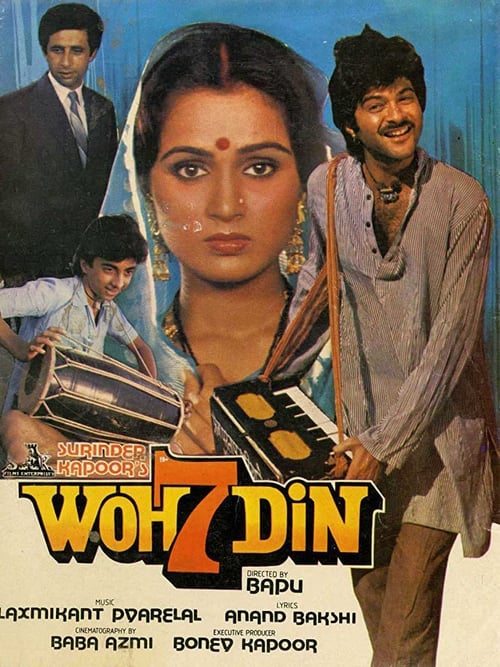
1983
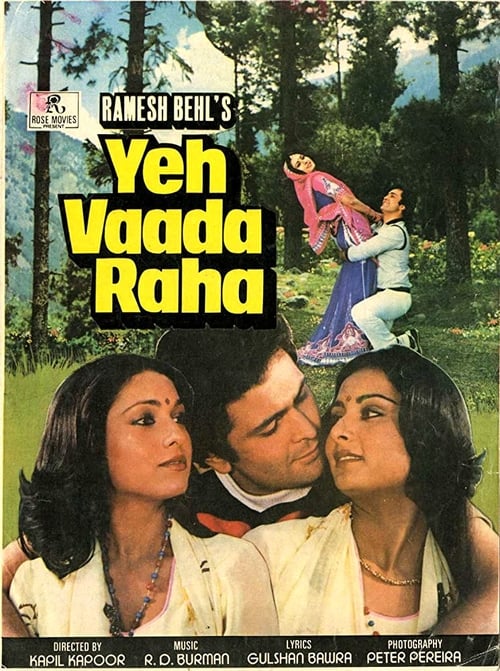
1982
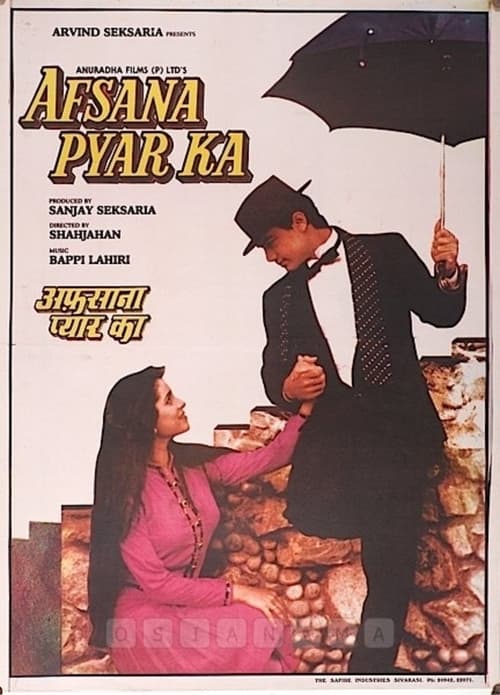
1991
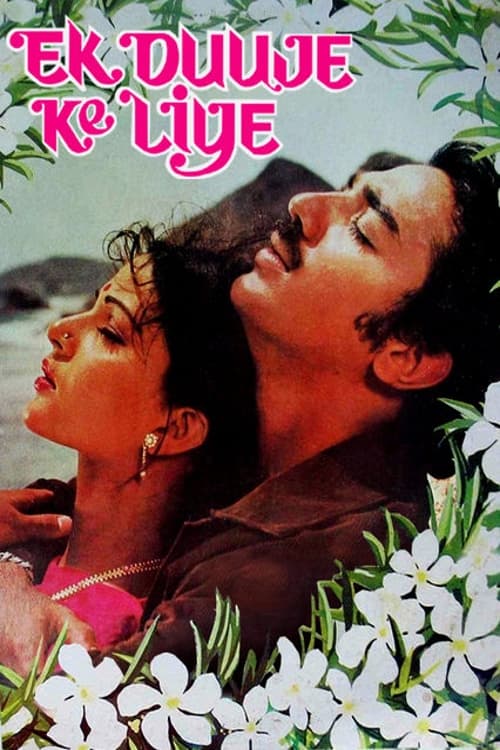
1981
No reviews yet. Be the first to share your thoughts on this movie!
Use the rating form above to leave a star rating and optional review.