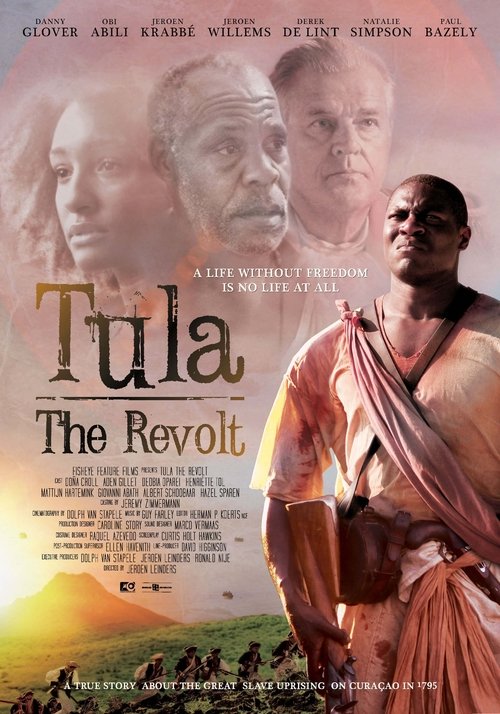
Tula: The Revolt
2013
No user ratings available yet
Representation score: 3.9 out of 10

Representation Score
Good
2013
Director
Luis Alberto Lamata
Runtime
95 minutes
Average Rating
No ratings yetNew Showbiz Analysis
Azú, alma de princesa stands out by shifting the narrative focus to the ability to act of enslaved individuals and their struggle to escape a sugar cane hacienda. This perspective contrasts with Eurocentric narratives, highlighting the lived experiences of underrepresented populations. The film uses the protagonist's ancestral destiny to validate non-Western heritage. This structural choice transforms a typical pursuit plot into a critique of systemic oppression and colonial capitalism. However, it remains limited in its exploration of gender dynamics and LGBTQ+ identities, sticking to more traditional romantic conflict archetypes.
Category Breakdown
The film does not include any explicit LGBTQ+ characters or non-straight relationships. The story revolves around a male antagonist's obsession with the protagonist, without exploring any LGBTQ+ themes.
Azú is portrayed as a central figure driven by her ancestral destiny. She is not a passive participant but actively shapes the plot. The male landowner is depicted as an antagonistic force disrupting Azú’s journey.
The film highlights the ability to act of enslaved individuals as they flee a sugar cane hacienda. It emphasizes the lived experiences of people of color over the colonial administrators.
The story critiques colonial institutions by portraying the landowner as an oppressive symbol of capitalism. It emphasizes the resistance against the hacienda system and the preservation of non-Western heritage.
There is no information available regarding the depiction of physical or neurodivergent disabilities in this work.
Present on Screen
Limited or Absent
Official Synopsis
1780, a group of slaves flee from a sugar cane hacienda. As they are pursued by Don Manuel Aguirre, obsessed landowner who has fixed his eyes on Azu, the beautiful slave with an ancestral destiny.
2013

1969
1984

2010

2019

2002

2025

1997
No reviews yet. Be the first to share your thoughts on this movie!
Use the rating form above to leave a star rating and optional review.