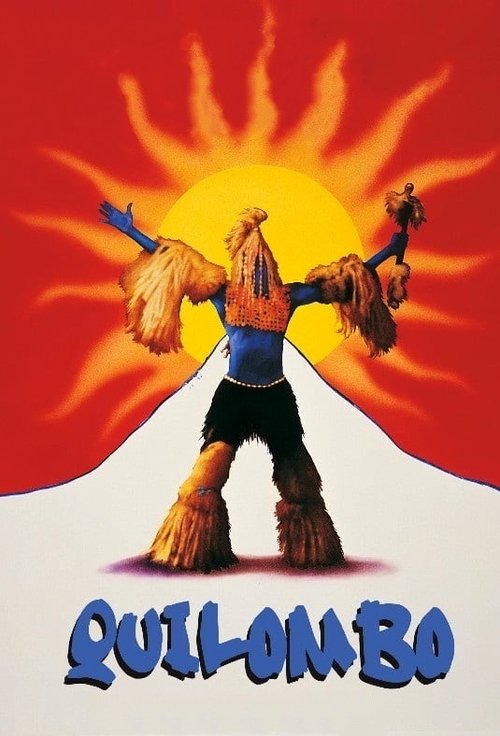
Quilombo
1984
No user ratings available yet
Representation score: 8.0 out of 10
Representation Score
Limited
2025
Director
Antônio Pitanga
Runtime
113 minutes
Average Rating
No ratings yetNew Showbiz Analysis
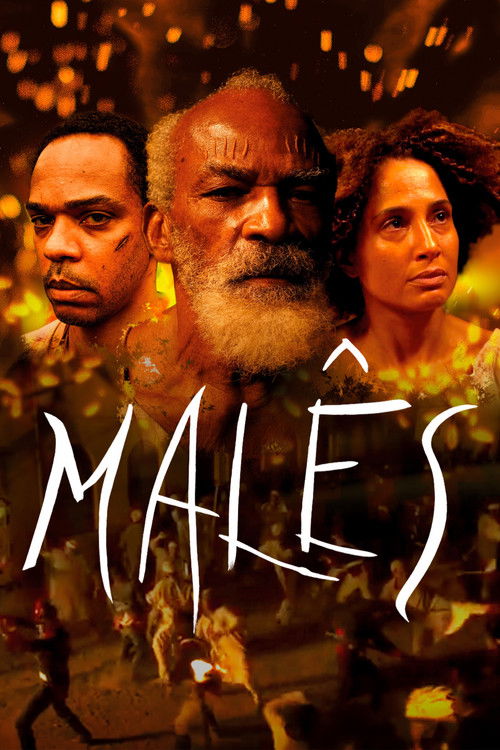
Malês serves as a vital piece of restorative media that shifts the protagonist role from colonial administrators to revolutionary subjects. By focusing on the largest slave rebellion in Brazilian history, the film reclaims suppressed narratives and centers Black ability to act. The production utilizes historical facts to critique the foundational structures of Western hegemony. It moves beyond traditional period drama clichés to highlight systemic injustice and the lived experiences of the oppressed. While the film excels in racial and cultural centering, the specific depth of gendered arcs and the presence of other underrepresented identities remain unverified.
Category Breakdown
The film does not explicitly mention LGBTQ+ characters or explore non-straight relationships. It is unclear if diverse identities are discussed within the broader struggle for freedom.
Actresses like Camila Pitanga and Patricia Pillar indicate women are part of the struggle. However, specific character arcs remain unconfirmed, as the main focus is the collective uprising.
The narrative centers on the Black population of Salvador during the 1835 Malê Revolt. This disrupts Eurocentric historical lenses by giving high ability to act to characters usually sidelined.
The film critiques colonial capitalism and state-sanctioned oppression through the lens of resistance. It prioritizes the autonomy of underrepresented groups over the stability of the colonial state.
There are no specific details regarding the portrayal of physical or neurodivergent disabilities. The documentation lacks information on how disability is addressed within the historical setting.
Present on Screen
Limited or Absent
Official Synopsis
Based on historical facts, the film portrays the largest slave rebellion in Brazilian history, the Malê Revolt. The uprising mobilized the black population in the streets of Salvador against slavery in 1835. After the failure of the revolt, the protesters were harshly punished and repression against black people in Brazil increased.
1984
1969
2013
2010
2013
2016
1984
1905
No reviews yet. Be the first to share your thoughts on this movie!
Use the rating form above to leave a star rating and optional review.