
Nothing But a Man
1964
No user ratings available yet
Representation score: 4.4 out of 10
Representation Score
Fair
1964
Director
Larry Peerce
Runtime
80 minutes
Average Rating
No ratings yetNew Showbiz Analysis
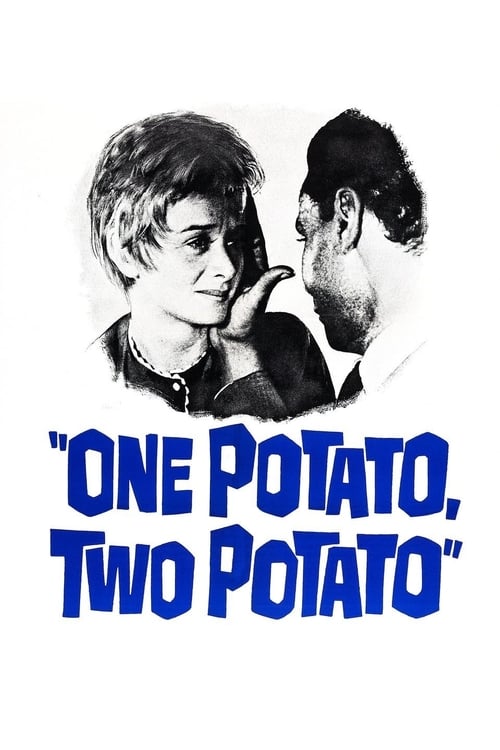
One Potato, Two Potato is a critical examination of 1960s systemic prejudice, particularly targeting the judicial bias against interracial unions. By focusing on a custody battle, the film highlights the tension between personal autonomy and institutionalized racism. The film’s strength lies in its refusal to rely on simple, redemptive storytelling. Instead, it uses the domestic sphere to challenge racial hierarchies and traditional gender roles, offering a complex look at family dynamics during a period of intense social change.
Category Breakdown
The film does not include any LGBTQ+ characters or themes. It focuses solely on the legal and social challenges faced by interracial couples.
The story challenges mid-century domesticity by breaking down the nurturing mother stereotype. It portrays a matriarchal figure characterized by psychological control rather than traditional stability.
This drama centers on an interracial marriage and a legal struggle against systemic segregation. The African-American husband plays a significant role in fighting for his parental rights.
The film critiques mid-century social norms by showing the breakdown of the nuclear family. It avoids redemptive clichés, focusing instead on nuanced family dysfunction.
There are no prominent depictions of physical, sensory, or neurodivergent disabilities within the main character arcs.
Present on Screen
Limited or Absent
Official Synopsis
Study of interracial marriage in the 1960s. A white divorcée falls in love with and marries an African-American man. When her ex-husband sues for custody of her child, arguing that a mixed household is an improper place to raise the girl, the new husband fights for his parental rights in court, fighting against a judge who represents the prejudices of the era.
1964
1965

1949

1961
1949

1960

1967
1950
No reviews yet. Be the first to share your thoughts on this movie!
Use the rating form above to leave a star rating and optional review.