Navy Blues
1929
No user ratings available yet
Diversity score: 2.8 out of 10
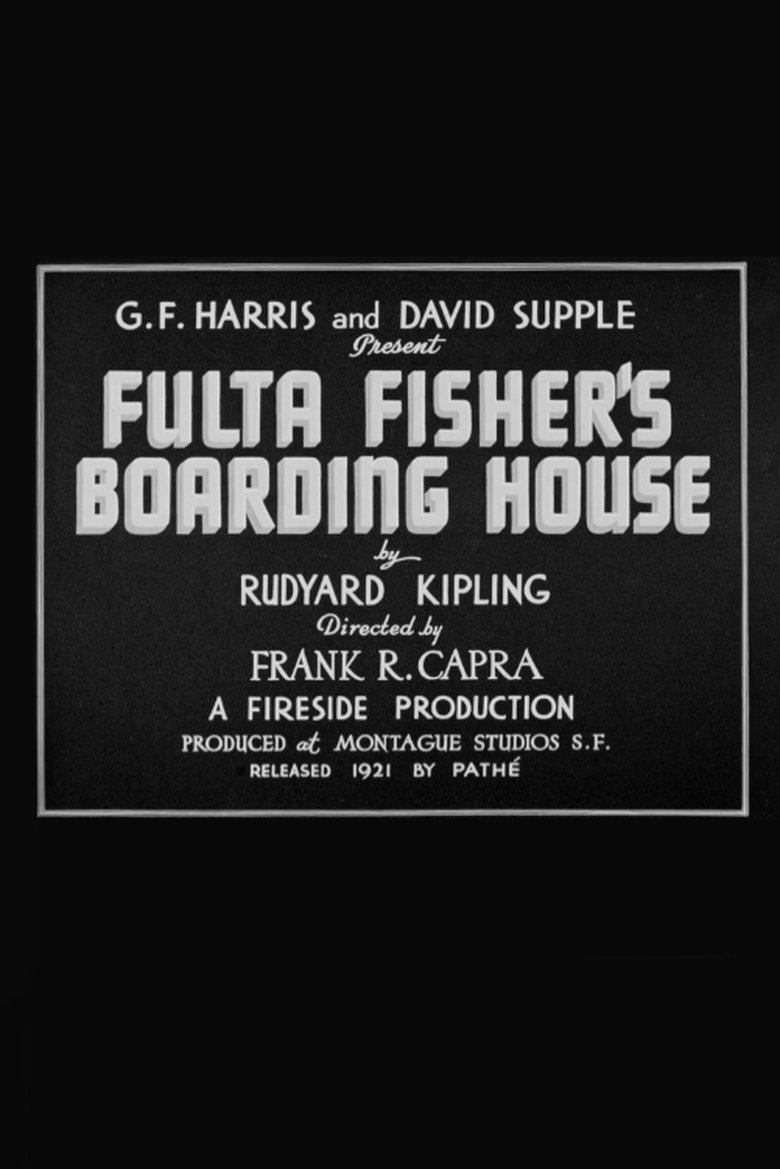
1922
Director
Frank Capra
Runtime
12 minutes
Average Rating
No ratings yetSynopsis
Fulta Fisher runs a boarding house catering to seamen passing through the port. A girl known as Anne of Austria has had many lovers amongst the sailors, but presently she's known to be the "property" of Salem Hardieker, a tough Bostonian. When Anne's eye drifts to a new potential lover, Hans the Dane, he spurns her, knowing she's Salem's girl. But hell hath no fury like a woman scorned....
Overall Score
Limited
Category Breakdown
LGBTQ+ Representation
The story focuses on heteronormative romantic entanglements and transactional relationships. There are no depictions of non-cisnormative identities or same-sex intimacy.
Gender Representation
Characters follow traditional 1920s archetypes. While Anne of Austria shows some agency, she is framed as the property of a man, reinforcing male ownership.
Racial & Ethnic Diversity
The cast reflects the homogeneous social structures of the era. The setting remains centered on a specific Western maritime social stratum without diverse casting.
Religious & Cultural Diversity
The film operates within a standard framework of early 20th-century domestic comedy. It does not critique Western institutions or prioritize secularism.
Disability Representation
There is no evidence of characters with visible or invisible disabilities. No such characters are used as plot devices.
Strengths
Areas for Improvement
AI Analysis
This 1922 silent short functions as a period-typical comedic farce. It adheres strictly to the social and narrative constraints of its time, offering little disruption to established hierarchies. The film relies on traditional courtship and jealousy tropes. While it features a female character with romantic agency, the narrative ultimately reinforces contemporary gender hierarchies and male dominance. Overall, the production lacks intentionality regarding diversity. It reflects a homogeneous Western maritime setting without exploring non-cisnormative identities or racial variety.
1929
1919
1927
1934
1927
1939

2009
1926
1920
1939
1927
1934
No reviews yet. Be the first to share your thoughts on this movie!
Use the rating form above to leave a star rating and optional review.