I Sell Anything
1934
No user ratings available yet
Representation score: 0.6 out of 10
Representation Score
Minimal
1927
PassedDirector
Henry Lehrman
Runtime
70 minutes
Average Rating
No ratings yetNew Showbiz Analysis
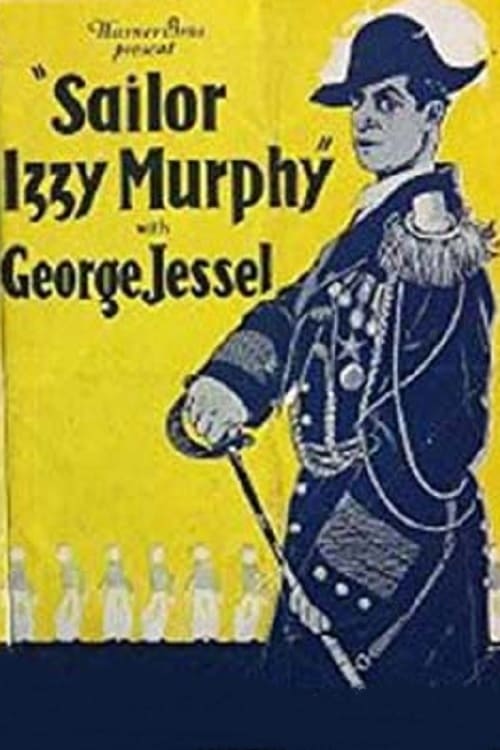
Sailor Izzy Murphy reflects the norms of its era, adhering to the standard social hierarchies and narrative structures of the silent film period. The film prioritizes a conventional romantic trajectory and slapstick-adjacent conflict over any meaningful exploration of identity. While the plot offers a clear comedic-drama framework, it lacks the intentionality to disrupt or challenge traditional gender roles or racial archetypes. The characters function as clichés within a Western-centric setting, providing little representation for underrepresented groups. Ultimately, the film captures the cinematic norms of the 1920s, focusing on traditional pursuits and established social orders rather than diverse or inclusive storytelling.
Category Breakdown
The film does not include any characters with non-binary or LGBTQ+ identities and there is no depiction of same-sex relationships. The story focuses on a traditional romance between the male protagonist and a female lead.
The male character drives the story through his resourcefulness. The female lead primarily serves as a catalyst and object of desire, fitting early 20th-century cinematic conventions.
The setting and characters align with Western archetypes. There is no indication of a diverse cast or racial blending within the story.
The story operates within the social and economic structures of the 1920s. It features luxury yachts and perfume manufacturing without critiquing Western institutions or capitalism.
The 'escaped lunatic' character functions as a plot device rather than a nuanced portrayal. The character lacks control over the events and serves a purely functional role.
Present on Screen
Limited or Absent
Official Synopsis
Izzy Murphy is a street vendor of scents that falls in love with the beautiful woman (Audrey Ferris) whose picture adorns the perfume bottle he sells. After resourcefully tracing the beauty (whose father(Warner Oland) manufactures the perfume to a luxury yacht, he finds himself in the company of an escaped lunatic John Miljan) who has vowed to murder the perfume manufacturer in retaliation for all the flowers that have been lost in the making of the perfume.
1934

1928

1927
1928
1921
1924
1934
1931
No reviews yet. Be the first to share your thoughts on this movie!
Use the rating form above to leave a star rating and optional review.