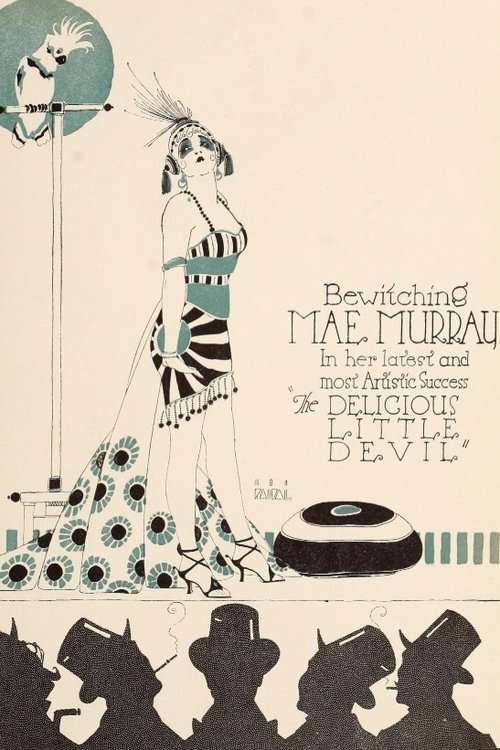
The Delicious Little Devil
1919
No user ratings available yet
Diversity score: 2.4 out of 10
1929
PassedDirector
Clarence Brown
Runtime
77 minutes
Average Rating
No ratings yetSynopsis
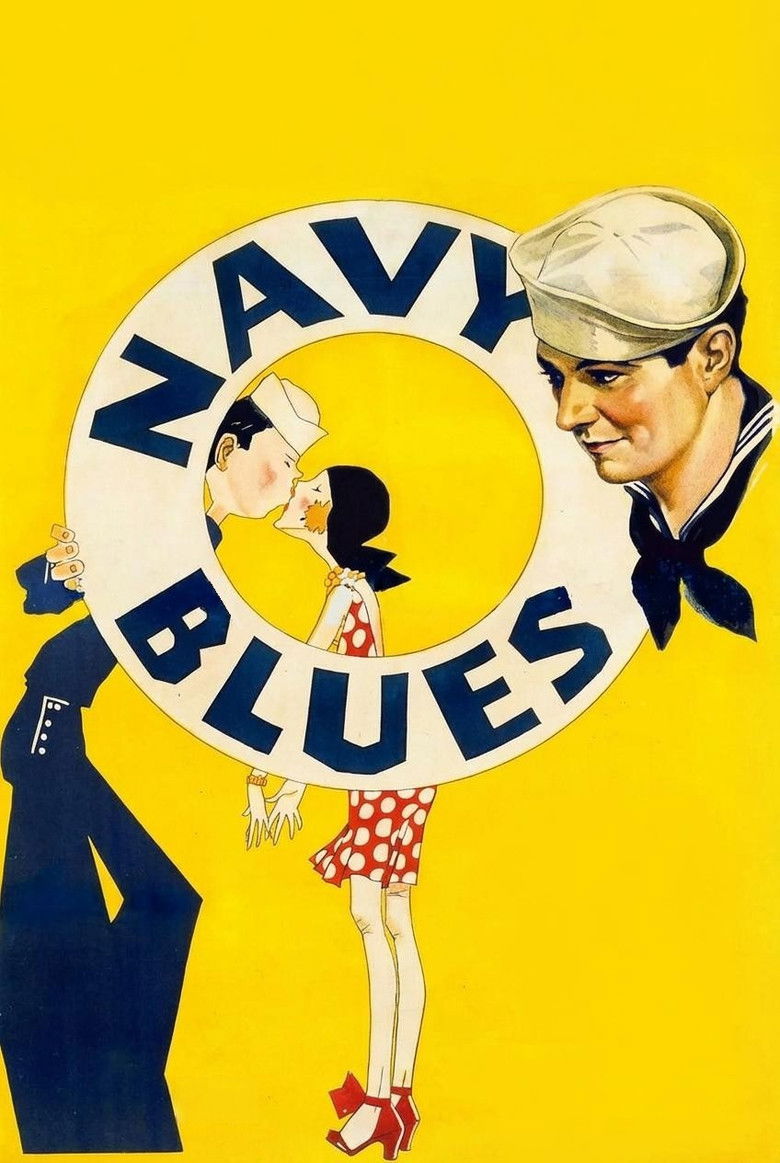
On shore leave, a young sailor meets and falls in love with a pretty young blonde. He goes home with her to meet her parents, but they don't approve of him at all. Their daughter takes offense at this, and in the ensuing argument she storms out of the house determined to live on her own.
Overall Score
Limited
Category Breakdown
LGBTQ+ Representation
The film lacks any evidence of queer narratives or non-heteronormative identities. The plot centers entirely on a traditional romantic pairing between a sailor and a blonde woman.
Gender Representation
The female lead shows agency by rejecting her parents' disapproval to seek independence. However, her character arc remains primarily defined by her romantic pursuit of the sailor.
Racial & Ethnic Diversity
The cast appears homogeneous, reflecting the standard studio casting of the late 1920s. There is no indication of racial blending or non-white protagonists in the narrative.
Religious & Cultural Diversity
The drama focuses on interpersonal domestic friction rather than systemic or secular critiques. The conflict stems from a daughter's rebellion against traditional familial institutions and parental authority.
Disability Representation
No characters are identified as having visible or invisible disabilities. There is no information available to assess representation in this category.
Strengths
Areas for Improvement
AI Analysis
Navy Blues is a conventional period drama that mirrors the social and demographic constraints of 1929 cinema. The narrative relies on established tropes of the era, focusing on a heteronormative romance and domestic conflict. While the film offers a slight subversion of authority through the female lead's decision to live independently, it does not challenge broader social hierarchies. The story remains rooted in traditional romantic and familial structures. Ultimately, the film lacks intersectional complexity. It presents a homogeneous view of society that reinforces the status quo rather than offering diverse perspectives or systemic critiques.
1919
1939
1922
1939
1947
1927
1928
1925
1934
1915
1933
1929
No reviews yet. Be the first to share your thoughts on this movie!
Use the rating form above to leave a star rating and optional review.