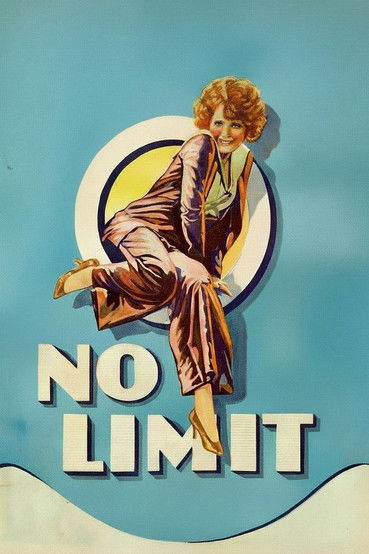
No Limit
1931
No user ratings available yet
Representation score: 2.9 out of 10

Representation Score
Minimal
1934
ApprovedDirector
Leo McCarey
Runtime
73 minutes
Average Rating
No ratings yetNew Showbiz Analysis
Belle of the Nineties successfully disrupts traditional gender roles by empowering its female lead. Using the screwball genre, the film replaces passive femininity with intellectual and social ability to act, challenging established social norms. However, this progressiveness is confined to gender dynamics. The film lacks diversity in racial, sexual, and disability identities, operating within a homogeneous, upper-class setting. Ultimately, the film is a product of its time, focusing on gender subversion while maintaining a narrow scope of representation.
Category Breakdown
The film follows the traditional structures common in 1930s studio productions, showing no evidence of non-straight or non-cisgender identities or same-sex relationships.
The screwball comedy style challenges traditional gender roles by giving the female lead significant control over the story. She uses wit and assertiveness to dominate social spaces and drive the plot.
The cast is primarily made up of white actors, reflecting the era's limited casting practices. The story focuses on a wealthy, white ensemble rather than a diverse group of characters.
The film offers escapist entertainment that upholds the socioeconomic status quo. It emphasizes romantic comedy over any critique of capitalism, religion, or Western institutions.
Characters are portrayed within a typical able-bodied context. There is no representation of physical, sensory, or neurodivergent conditions.
Present on Screen
Limited or Absent
Official Synopsis
Nightclub entertainer Ruby Carter moves from St. Louis to New Orleans to escape Tiger Kid. At Ace Lamont's club, she gains fame but faces drama with Ace's ex Molly. A jewel theft and fixed fight lead to confrontations.
1931
1933
1933

1933
1932

1934

1930
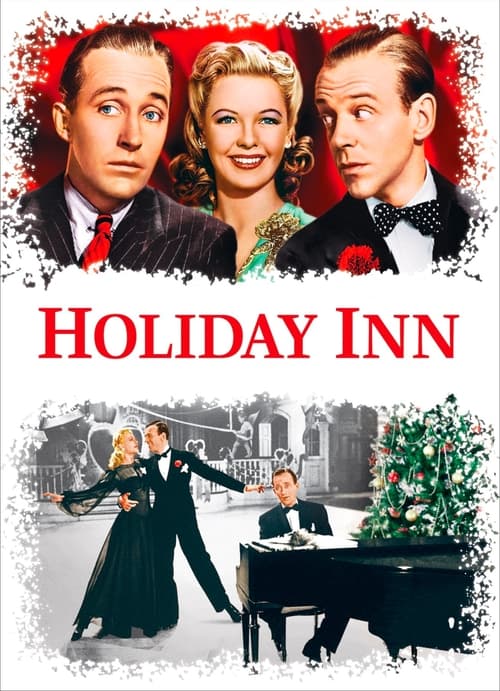
1942
No reviews yet. Be the first to share your thoughts on this movie!
Use the rating form above to leave a star rating and optional review.