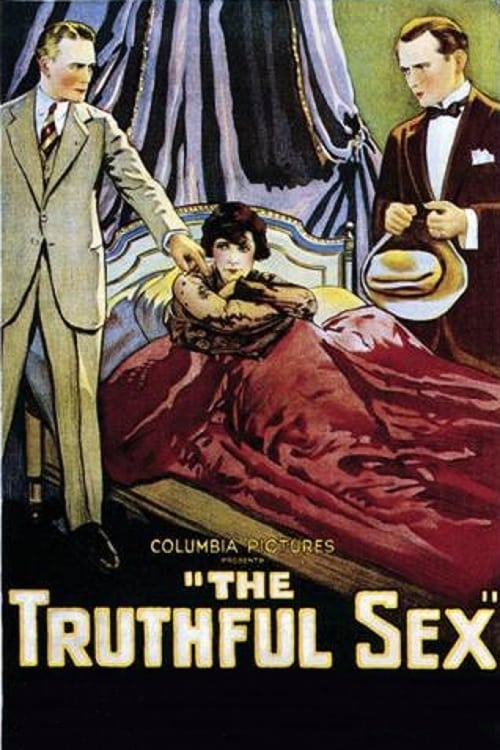
The Truthful Sex
1926
No user ratings available yet
Representation score: 2.0 out of 10
No Poster Available
Representation Score
Minimal
1920
PassedDirector
Charles Giblyn
Runtime
60 minutes
Average Rating
No ratings yetNew Showbiz Analysis
The Thief operates as a typical domestic drama of the silent era, focusing on personal flaws and interpersonal conflicts. While the female protagonist drives the plot through her actions, the film remains grounded in the storytelling conventions of 1920. The production does not feature any multi-layered identities or diverse casting. The narrative exists within a homogeneous social world, emphasizing a moralistic exploration of jealousy and heartbreak rather than social or cultural disruption. Overall, the film does not address systemic issues or diverse representation, reflecting the limited social scope characteristic of early 20th-century short films.
Category Breakdown
The film does not include any characters with LGBTQ+ identities or same-sex relationships, which was common in the social context of 1920s cinema.
Mary Vantyne plays a significant role in driving the plot, but her character is defined by impulsive, emotional decisions typical of the era.
The cast appears to be made up of a single demographic group. There is no evidence of non-white or multi-ethnic representation in the film.
The story adheres to a traditional moral framework centered around jealousy and envy, lacking themes that would challenge the conventional social mores of the early 20th century.
No characters with visible or invisible disabilities are identified in the narrative.
Present on Screen
Limited or Absent
Official Synopsis
When jealousy and envy lead Mary Vantyne to make a foolish decision and commit an impulsive act she sets off a series of events that nearly bring heartbreak to all those in her circle.
1926
1924
1921
1924
1920
1920
1925
1924
No reviews yet. Be the first to share your thoughts on this movie!
Use the rating form above to leave a star rating and optional review.