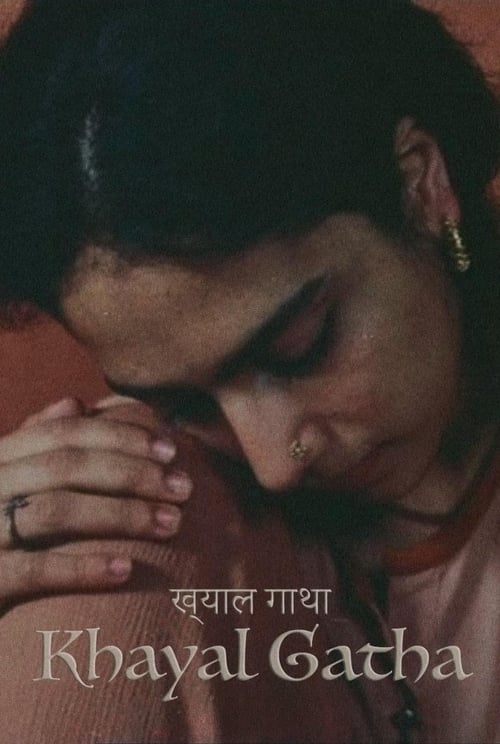
The Khayal Saga
1989
No user ratings available yet
Diversity score: 6.9 out of 10

1961
Director
Ritwik Ghatak
Runtime
124 minutes
Average Rating
No ratings yetSynopsis
Set in 1950s Calcutta against the partition of India, the plot follows two rival factions born out of the divided leadership of the radical IPTA theater movement. Amidst their intense creative differences, a romance develops between two uprooted refugees, Bhrigu and Anusuya.
Overall Score
Good
Category Breakdown
LGBTQ+ Representation
The film focuses on the socio-political struggles of IPTA workers rather than queer identities. There is no explicit evidence of non-cisnormative gender identities or same-sex intimacy depicted.
Gender Representation
Ghatak challenges submissive feminine tropes by placing women within political and intellectual labor. The narrative disrupts the traditional separation between the domestic sphere and the public political arena.
Racial & Ethnic Diversity
The story is deeply embedded in post-colonial Indian realities, centering non-Western perspectives. It prioritizes the lived experiences and agency of the local populace over a Western-centric gaze.
Religious & Cultural Diversity
The film critiques capitalism and explores class struggle through the lens of the IPTA. It uses the trauma of Partition to question the formation of the nation-state.
Disability Representation
There is no documented evidence regarding the portrayal of physical or neurodivergent disabilities in this work.
Strengths
Areas for Improvement
AI Analysis
Ritwik Ghatak’s direction elevates this film into a significant piece of social realism. By centering on the Indian People's Theatre Association, the narrative dismantles traditional power hierarchies and focuses on systemic class inequities. The film excels at providing a post-colonial critique, moving away from Western-centric perspectives to highlight the complexities of Partition. It uses the interdependence of art and life to explore the moral landscape of idealism versus corruption. However, the film lacks explicit representation of LGBTQ+ identities and provides no documented evidence regarding disability. The narrative remains primarily anchored in socio-political and class-based struggles.
1989
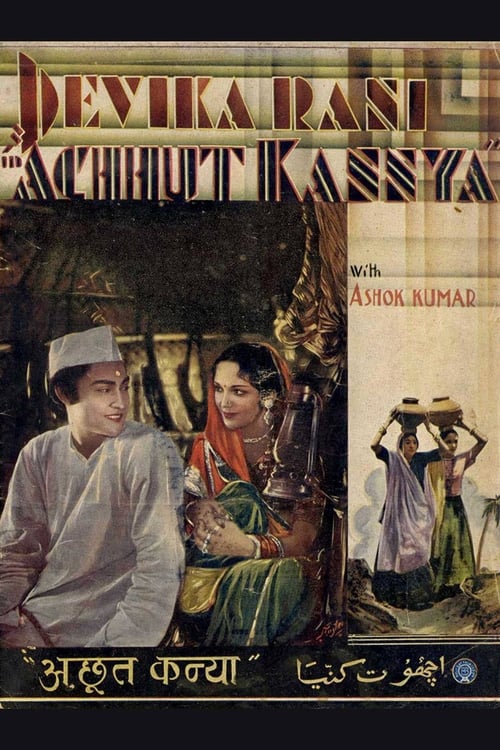
1936
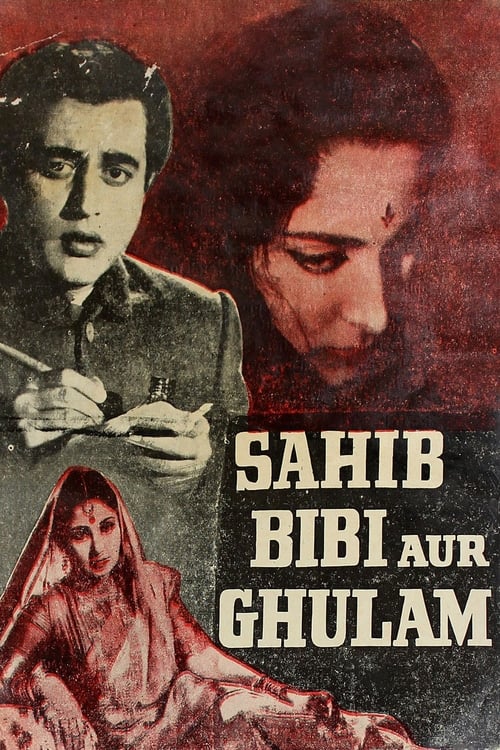
1962
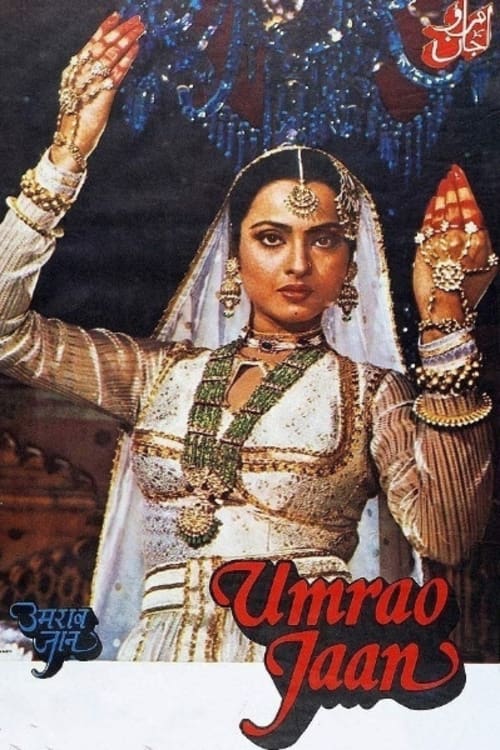
1981
2010

1957
1967
1977
1977
1956
1971
1970
No reviews yet. Be the first to share your thoughts on this movie!
Use the rating form above to leave a star rating and optional review.